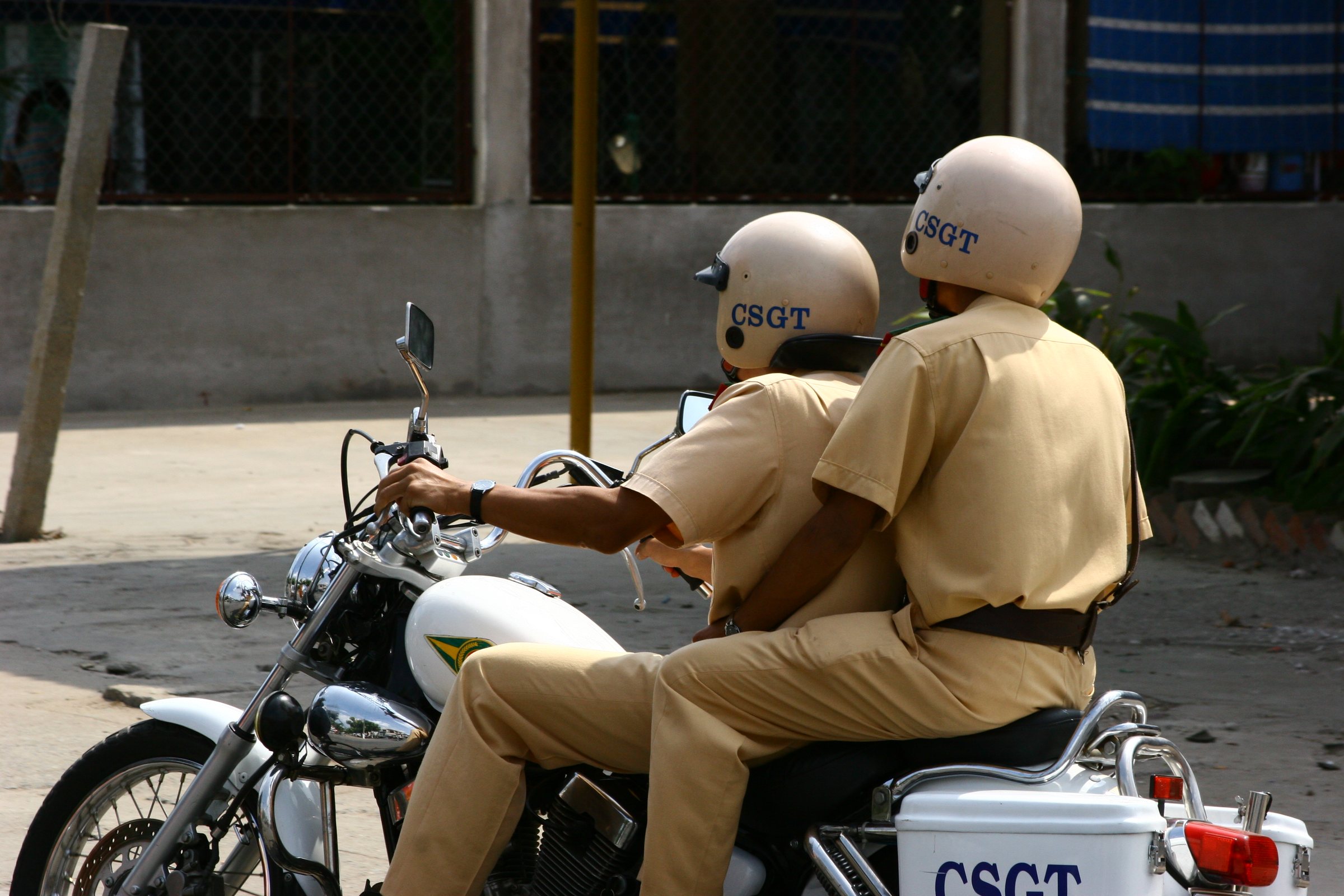
Safety and common scamsAn toàn và lừa đảo
Vietnam is broadly considered safe for international travellers, and serious violent crime targeting visitors is rare. The more realistic dangers are road traffic, opportunistic theft in busy urban areas, and a set of well-documented confidence routines that tend to cluster around tourist districts. Neither alarm nor complacency serves a visitor well; an accurate picture of what actually happens, and where, is more useful than either.
The real risk picture
Traffic is statistically the most significant hazard for visitors in Vietnam. The volume of motorbikes, the conventions of road use, and the pace of urban intersections are unlike anything most Western visitors encounter at home. Pedestrians crossing roads, particularly in Ho Chi Minh City and Hanoi, face conditions that require close attention. Walking slowly and predictably, rather than hurrying, is generally the advice given by long-term residents.
Violent crime against foreigners is low by regional and global standards. Disputes occasionally arise from misunderstandings over prices or services, but physical assault by strangers is not a pattern that characterises the country. Petty opportunism — theft, short-changing, overcharging — is the more common friction point, and it is largely concentrated in specific situations described below.
Bag-snatching and street theft
Motorbike bag-snatching is a documented and ongoing problem in Ho Chi Minh City, particularly in the central districts and along riverside areas. A rider, sometimes with a passenger, makes a pass close to the kerb and grabs a bag, phone or camera. The speed of the incident means resistance can cause injury.
The pattern most commonly affects people carrying bags on the street-side shoulder, holding phones while walking, or photographing near the road. Bags worn across the body and held firmly, phones kept in a front pocket, and cameras kept inside a bag when not in use reduce exposure significantly. HCMC sees far more incidents of this type than Hanoi or other cities, though it is not unknown elsewhere.
Pickpocketing in crowded markets, bus stations and tourist sites occurs in most major cities. Valuables kept in front pockets or in a money belt rather than a bag are harder to access without notice.
Taxi and currency scams
Taxi fraud takes several forms. The most common involves a meter that runs abnormally fast — either because the meter has been tampered with or because the driver takes a significantly longer route. A small number of operators run vehicles that resemble legitimate metered taxis but do not belong to reputable companies. Ride-hailing apps that display the fare before the journey begins have reduced this risk considerably, and many regular visitors and residents use them exclusively.
The note-swap routine involves a driver or vendor accepting a large-denomination note, then claiming the note handed back is counterfeit or a lower denomination. The exchange happens quickly and the customer is asked to make up a difference. Examining change carefully before leaving a transaction, and familiarising oneself with Vietnamese banknote designs, reduces exposure. Confusion over the large numbers on Vietnamese currency — denominations run into the hundreds of thousands — is also exploited; mental arithmetic rehearsed before travel helps.
Service and goods routines
Several routines recur around tourist districts and have been reported consistently over many years.
- Shoe repair: A vendor approaches and begins cleaning or repairing shoes — sometimes removing laces or applying polish — before any price is agreed. A large sum is then demanded. The service was not requested and no price was set, but the interaction is designed to make refusal feel difficult.
- Fruit basket: Vendors, often in conical hats carrying fruit baskets, invite visitors to take a photo with them or to hold the basket, then demand payment. The amount requested is usually far above what any reasonable transaction would involve.
- Unsolicited guides: Individuals attach themselves to visitors in or around historic sites, provide information or direction, then request payment. This is distinct from licensed guides hired through agencies.
None of these situations are dangerous in themselves. The practical response in each case is to decline clearly at the outset and keep walking.
Tour operators and what they actually run
Vietnam's tourism industry includes a large number of booking agents who sell tours, boat trips and experiences that they do not themselves operate. This is not inherently fraudulent — intermediaries are a normal part of travel commerce — but it creates situations where the product received differs from the product described. A "luxury" cruise sold in a Hanoi travel street may involve a vessel and crew operated by a third party to standards the agent has no control over.
The specific concern with certain popular routes — notably overnight cruises in Ha Long Bay — has been documented by travel journalists and consumer organisations over a long period. The gap between what is shown in promotional images and what arrives on the pier is the core complaint. Verifying the operator's name, checking whether that operator can be found independently, and understanding that the booking agent and the operator are often different entities helps set realistic expectations.
This is not a reason to avoid organised tours, which remain the practical way to reach many destinations. It is a reason to research the actual operating company rather than only the agent.
Emergency contacts
Vietnam's national emergency numbers are as follows:
- Police: 113
- Fire: 114
- Ambulance: 115
English-language assistance from emergency services cannot be guaranteed, particularly outside major cities. Many visitors register with their country's embassy or consulate on arrival, which provides a contact point if documents are lost or a serious incident occurs. Embassy contact details are published on the official websites of each country's foreign ministry and should be noted before travel, as those details can change.
For medical emergencies, international-standard hospitals and clinics operate in Ho Chi Minh City and Hanoi; facilities in smaller towns and rural areas are more limited. Travel insurance that covers medical evacuation is a practical consideration, though the decision on coverage is one for the traveller and insurer to make.
Also known as / see also
Referenciado por
Fontes
- Vietnam travel advice — Smartraveller, Australian Government truy cập 29 August 2026
Supports: carried over from the first build - Vietnam international travel information — U.S. Department of State truy cập 29 August 2026
Supports: carried over from the first build - Vietnam travel advice — UK Foreign, Commonwealth & Development Office truy cập 29 August 2026
Supports: carried over from the first build - Vietnam National Authority of Tourism — VNAT truy cập 29 August 2026
Supports: carried over from the first build
Ageing Última verificação: 29 August 2026. Rules, fares and prices change — check the official source before acting on anything here. Report a mistake.
Picture credits (1)
Vietnam Police motorcycle 2007, Jame Healy, CC BY-SA 2.0, Wikimedia Commons