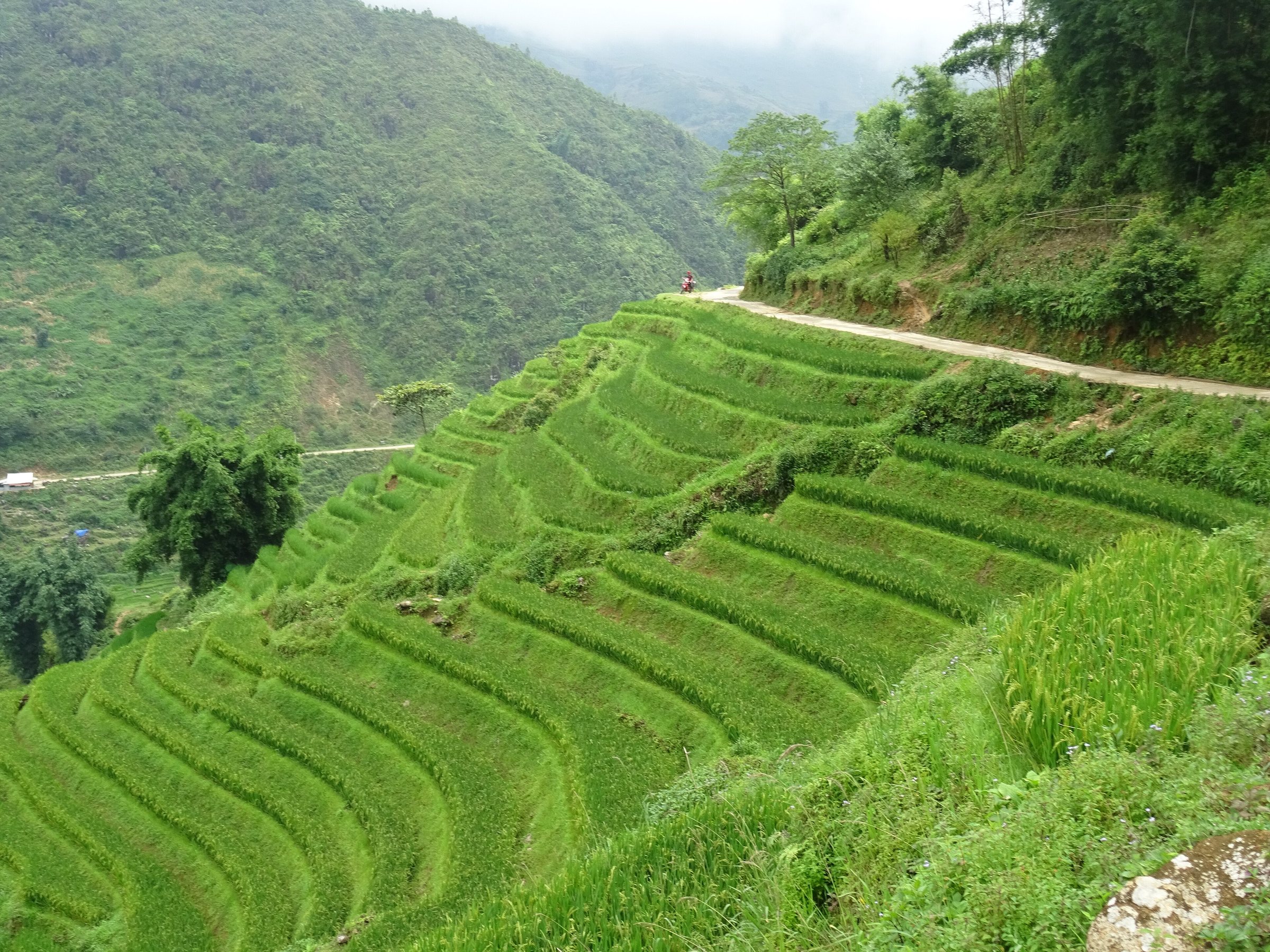
Sapa (officially Sa Pa) sits in Lao Cai province in the Hoang Lien Son range, close to the Chinese border. Long a hill-station retreat under the French, it has since the 1990s become Vietnam's most-visited mountain destination, drawing visitors for rice-terrace scenery, Hmong and Red Dao cultural encounters, and access to Fansipan. Rapid hotel and cable-car construction has transformed the town considerably in the past decade.
What Sapa is known for
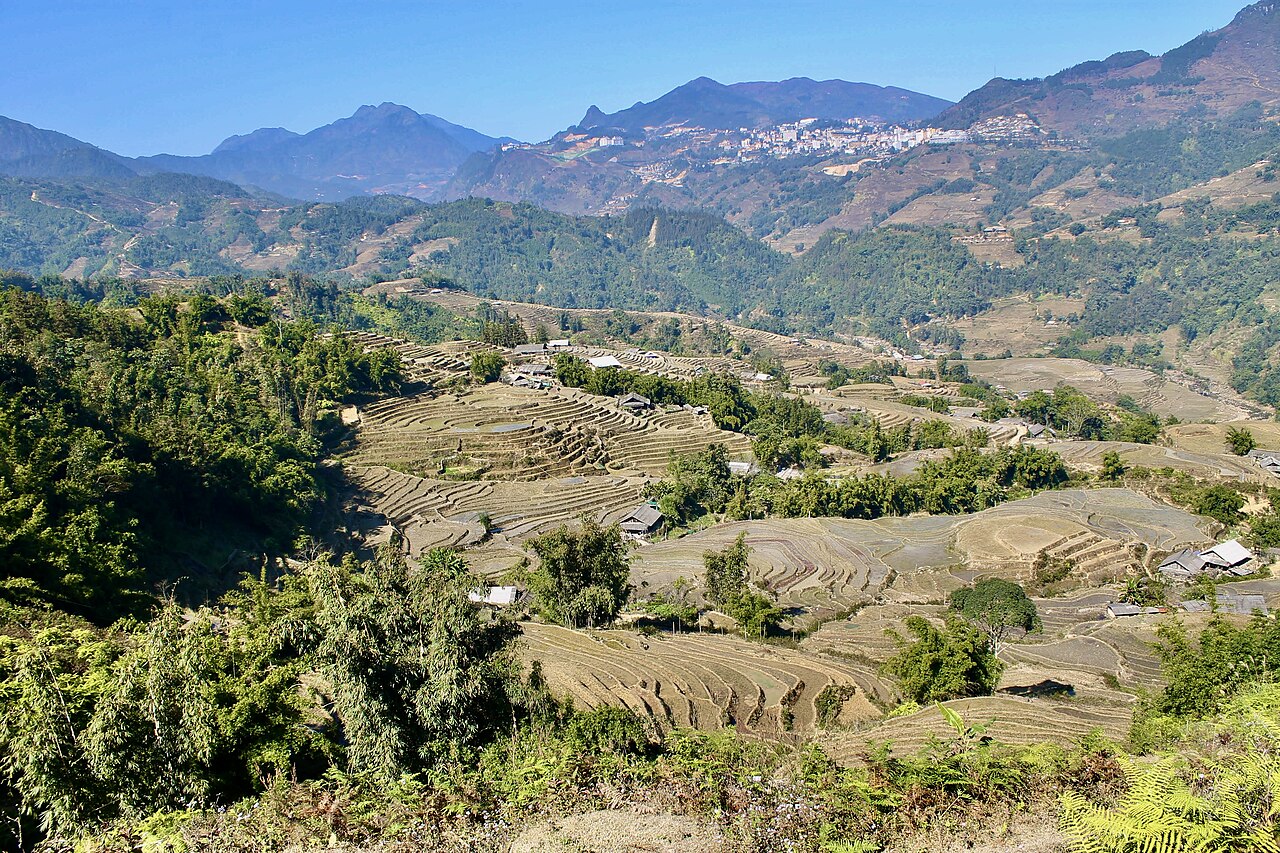
The Muong Hoa valley below Sapa contains some of the most photographed rice terraces in Southeast Asia. The terraces are maintained primarily by Black Hmong and Red Dao farming communities whose villages — Lao Chai, Ta Van, Y Linh Ho and Cat Cat among the most visited — are spread across the valley floor and lower slopes. The town itself sits on a ridge above the valley, at an elevation that brings mist, cool temperatures and, in winter, occasional frost or sleet unusual in Vietnam at this latitude.
Fansipan, at 3,143 metres the highest point in Vietnam and the broader Indochina range, dominates the skyline to the southwest. A cable car now links the town to a summit complex, making the peak accessible to visitors without mountaineering experience. A foot route also exists for those who prefer the ascent on their own terms.
The town's commercial centre has grown rapidly. Large hotels, a covered market and a cable-car terminal have reshaped what was once a quieter colonial-era settlement. Opinions on this vary: infrastructure has improved access for a far wider range of travellers, but the volume of visitors and construction has altered the character of both the town and some of the surrounding villages.
Trek routes and villages
The most-walked circuit in the Muong Hoa valley connects several villages within a half-day or full-day walk from the valley road. Cat Cat is the closest to town and consequently the most commercialised; it lies at the foot of a steep descent from the main Sapa ridge. Y Linh Ho, Lao Chai and Ta Van lie further into the valley and are typically combined into a single route, passing through Black Hmong and then Giay communities. The paths between them follow irrigation channels and rice-terrace embankments and are generally clear, though they can be slippery after rain.
Longer and less-walked alternatives exist to the north and west of Sapa, including routes toward Y Ty, which sits in a separate valley with comparable terrace scenery and far fewer visitors. These routes involve more logistical planning and are less frequently offered by town-based agencies.
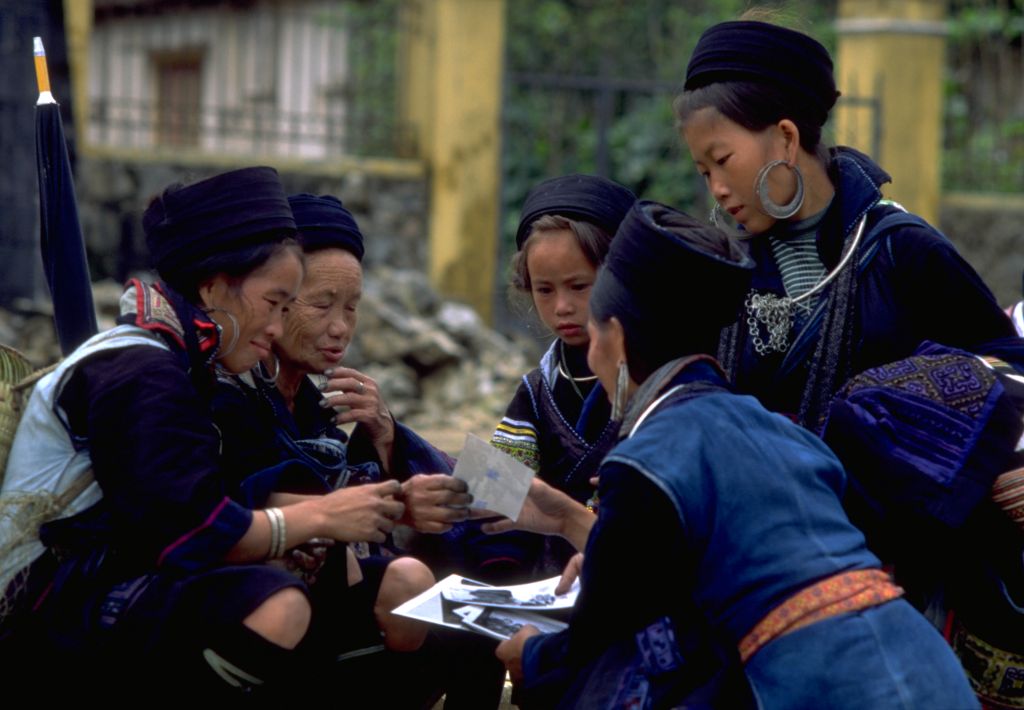
The question of whether to hire a local guide — and through which channel — is genuinely contested. Independent Hmong women have long guided visitors informally; licensed guiding operations argue their guides offer better safety and cultural context; some community voices argue that economic benefit does not always reach the villages most visited. There is no settled answer, and the situation continues to change. The safety and common scams page covers relevant considerations for first-time visitors.
Fansipan: cable car and foot route
The Sun World cable car, opened in 2016, runs from a terminal near the centre of Sapa to a station just below the Fansipan summit. The journey takes roughly twenty minutes and ascends through cloud forest. At the top, a series of temple structures, gardens and a large Buddha statue have been constructed around the summit platform. There is an entry fee for the cable car. The experience is busy on weekends and holidays and can be disrupted by cloud cover, which is frequent at this altitude.
The trekking route to Fansipan is a different undertaking entirely. It involves a multi-day ascent through dense forest, requires camping or use of basic mountain huts, and demands a reasonable level of fitness and appropriate equipment. The trail can be muddy and technically demanding in wet conditions. Most people who attempt it do so with a guide and porter, both of which are available through agencies in Sapa. The two routes — cable car and foot — reach the same summit but are otherwise entirely separate experiences, and the choice between them is a matter of expectation and physical preparation rather than one being objectively preferable.
Getting there from Hanoi
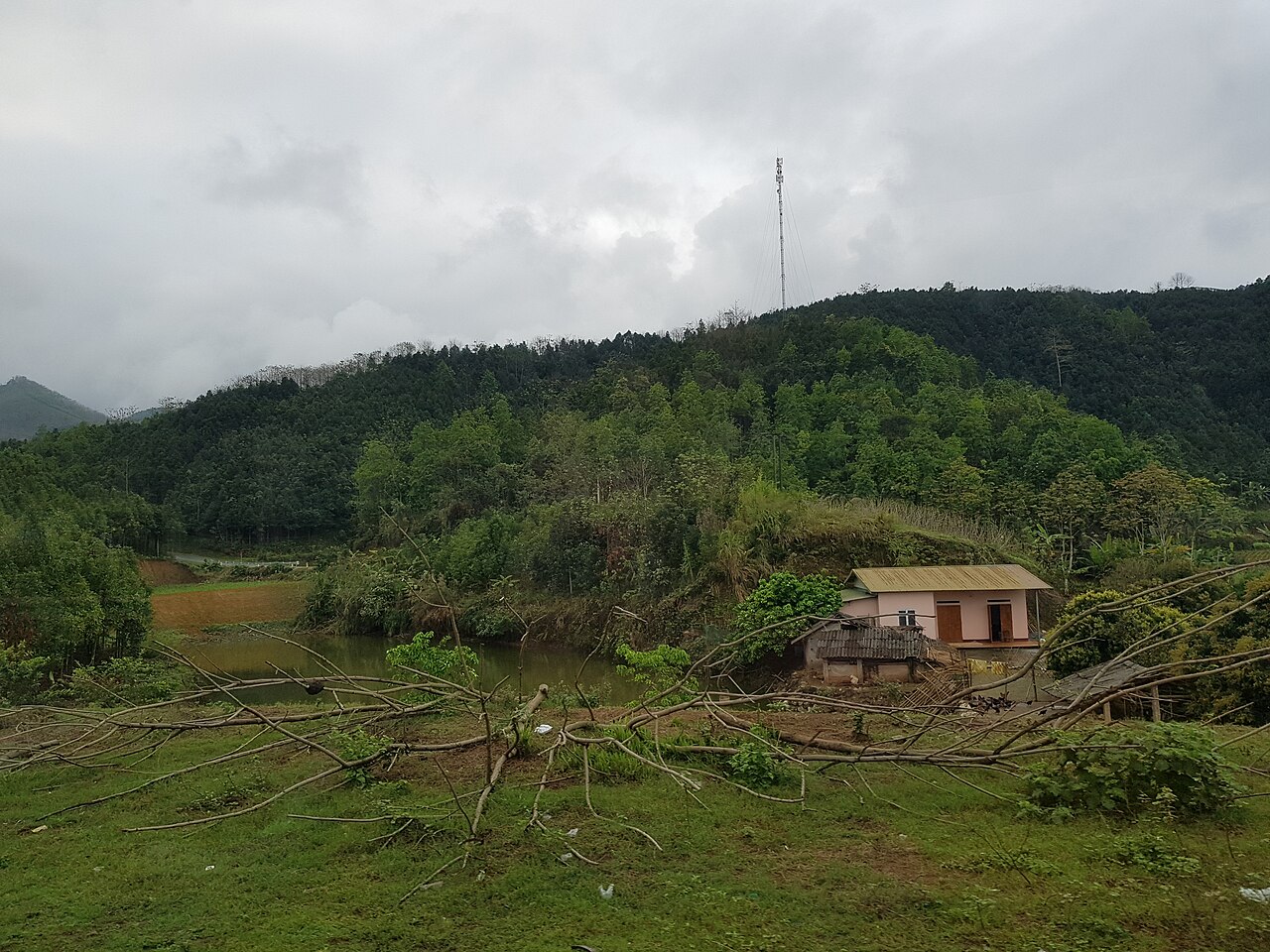
Sapa is approximately 320 kilometres northwest of Hanoi by road. The two principal options are the overnight train to Lao Cai followed by a road transfer, and the direct sleeper bus to Sapa.
The Hanoi to Lao Cai train departs in the evening and arrives at Lao Cai station the following morning. Several operators run dedicated tourist carriages with sleeping berths attached to the standard rail service. From Lao Cai station, minibuses and taxis connect to Sapa, which lies about 35 kilometres up into the mountains. The fare depends on class, operator and season.
Sleeper buses run directly from Hanoi's My Dinh bus station to Sapa, covering the journey overnight on a modern expressway that has significantly reduced road travel time in recent years. These drop passengers closer to the town centre, removing the Lao Cai transfer step.
A small number of visitors also travel from Lai Chau or Bac Ha by road, combining Sapa with a broader northwest circuit. Private car hire is a common option for this kind of itinerary.
When to go
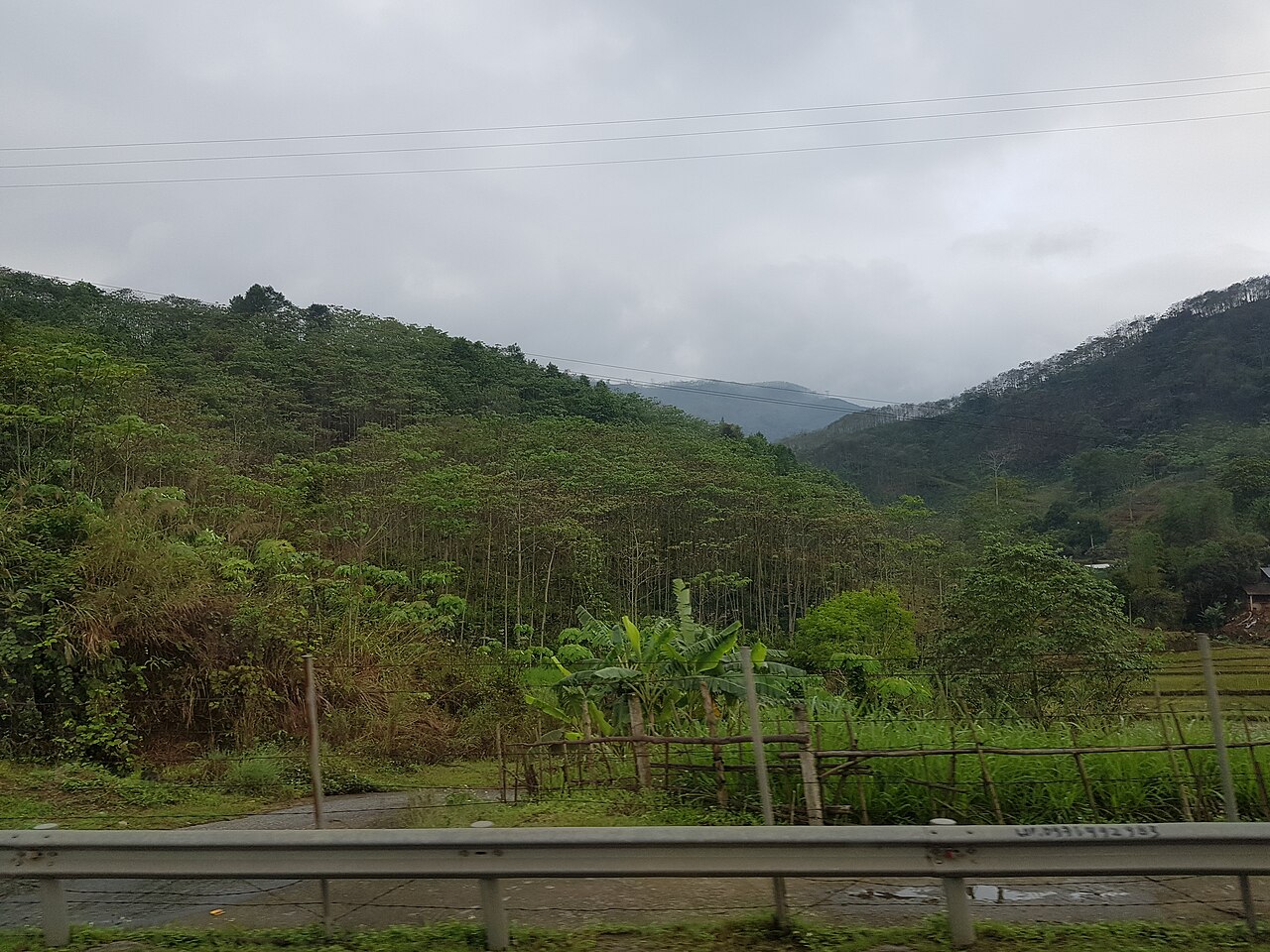
Sapa's climate differs markedly from lowland Vietnam. The town sits high enough that it experiences genuine cool-season temperatures from November through February, with frost and thin sleet possible in the coldest weeks. Summer months bring the southwest monsoon, heavy rain and persistent low cloud.
The periods generally considered most suitable for visits are March to May and September to November. Spring brings clearer skies and wildflowers on the upper slopes. Autumn coincides with the rice harvest: terraces turn gold through September and into October, which is the most-photographed period of the year and consequently the busiest. June and July offer the terraces at their greenest, though rain is frequent. December and January can be cold and atmospheric, but trekking trails are muddier and visibility is often limited.
For a more detailed breakdown of weather patterns across northern Vietnam, see the when to go page.
Accommodation
Sapa town now has a substantial range of accommodation, from large resort hotels and international chain properties near the cable-car terminal to smaller guesthouses on the streets descending toward the valley. The upper end of the market has expanded considerably since 2015, and standards vary widely even within the same price tier.
Homestays in the valley villages — particularly in Ta Van and Lao Chai — offer a different experience: sleeping in or near the homes of Hmong and Giay families, with meals typically included. Quality and authenticity vary; some homestays are purpose-built structures operating commercially, while others are genuine family homes with a spare room. The distinction matters to some visitors and not to others. Booking through a community-connected agency or directly with a village contact, rather than through a Sapa town hotel, is generally considered more likely to direct money toward the village itself, though this is not guaranteed.
For practical matters including ATMs and payment and SIM cards, Sapa town is reasonably well served, though connectivity in the valley villages can be limited.
Ethical considerations and tourism pressures
Sapa attracts a volume of visitors that has brought significant change to the villages in the Muong Hoa valley. Cat Cat, the closest village to town, now functions largely as a ticketed attraction; the cultural and economic relationship between the resident community and the tourism operation there is a matter of ongoing discussion rather than settled fact. Villages further into the valley remain more recognisably agricultural, but the number of souvenir stalls, guesthouses and informal guides has grown throughout the area.
The practice of ethnic-minority women — predominantly Black Hmong — guiding visitors informally and selling textiles along trekking routes is long-established in Sapa. It provides income directly to women who have developed genuine navigational and linguistic skills over years of contact with visitors. It also operates outside formal licensing structures, which some organised tour operators argue creates safety and quality concerns. Whether to hire informally, through a licensed guide, or through a community cooperative involves trade-offs that are not resolved by a simple recommendation.
Visitors with concerns about how tourism revenue is distributed may find it useful to ask directly about the ownership and staffing structure of any agency, homestay or guide service they use. This is an area where the situation is genuinely unsettled and where individual choices have some effect on outcomes.
Clima per mese
Medie di lungo periodo, non una previsione. Periodo di riferimento: 2015–2024. Fonte: ERA5 reanalysis (Copernicus) via the Open-Meteo archive API.
Show the numbers
| Mese | Massima °C | Min °C | Pioggia mm | Giorni di pioggia | Humidity % |
|---|---|---|---|---|---|
| January | 14.1 | 8.0 | 122 | 13 | 89 |
| February | 15.6 | 9.2 | 90 | 13 | 85 |
| March | 19.9 | 12.8 | 115 | 15 | 83 |
| April | 22.3 | 15.2 | 172 | 18 | 80 |
| May | 23.5 | 17.4 | 224 | 24 | 85 |
| June | 23.8 | 18.5 | 278 | 28 | 90 |
| July | 23.7 | 18.5 | 378 | 29 | 90 |
| August | 23.5 | 18.4 | 454 | 29 | 91 |
| September | 22.4 | 17.5 | 310 | 25 | 90 |
| October | 19.9 | 14.9 | 224 | 22 | 89 |
| November | 18.1 | 12.4 | 79 | 15 | 88 |
| December | 14.2 | 8.5 | 92 | 13 | 89 |
Quanto costano le cose
| Elemento | Prezzo | Unità | Aggiornato al | Fonte |
|---|---|---|---|---|
| Fansipan cable car, adult, weekday Saturdays and public holidays are dearer. Children between 1.0 m and 1.4 m pay a reduced fare; the fare is set by height, not age. |
850,000 ₫ | return | 2026-08-28 | Sun World Fansipan Legend published fares |
| Muong Hoa funicular Runs from Sapa town to the cable-car station; separate from the cable-car fare. |
200,000 ₫ | return | 2026-08-28 | Sun World Fansipan Legend published fares |
Every price carries the date it was observed and where it came from. Prices move; treat them as a guide, not a quote.
Practical notes
Where it is
Also known as / see also
Nelle vicinanze
Citato da
Fonti
- ERA5 climate normals — Copernicus / Open-Meteo (CC BY 4.0) consultato 30 August 2026
Supports: monthly temperature and rainfall normals, and elevation - Sapa — Wikipedia (CC BY-SA 4.0) consultato 29 August 2026
Supports: carried over from the first build - Sa Pa — Wikipedia (Vietnamese) (CC BY-SA 4.0) consultato 29 August 2026
Supports: carried over from the first build
Current Ultima verifica: 29 August 2026. Rules, fares and prices change — check the official source before acting on anything here. Report a mistake.
Picture credits (7)
Rice terraces in Lao Chải 03, Christophe95, CC BY-SA 4.0, Wikimedia Commons · Milkshake and cake, Sapa Paradise View Hotel, Sa Pa, Vietnam - 20131027, Smuconlaw, CC BY-SA 4.0, Wikimedia Commons · Rice terraces in Sapa, Vietnam, Eerin25, CC0, Wikimedia Commons · Black hmong women sapa vietnam 1999, Unknown, Public domain, Wikimedia Commons · Road Sapa Lao Cai in rainy weather (15094), Andre Hospers, CC BY 4.0, Wikimedia Commons · Road Sapa Lao Cai in rainy weather (37947), Andre Hospers, CC BY 4.0, Wikimedia Commons · Road Sapa Lao Cai in rainy weather (74630), Andre Hospers, CC BY 4.0, Wikimedia Commons