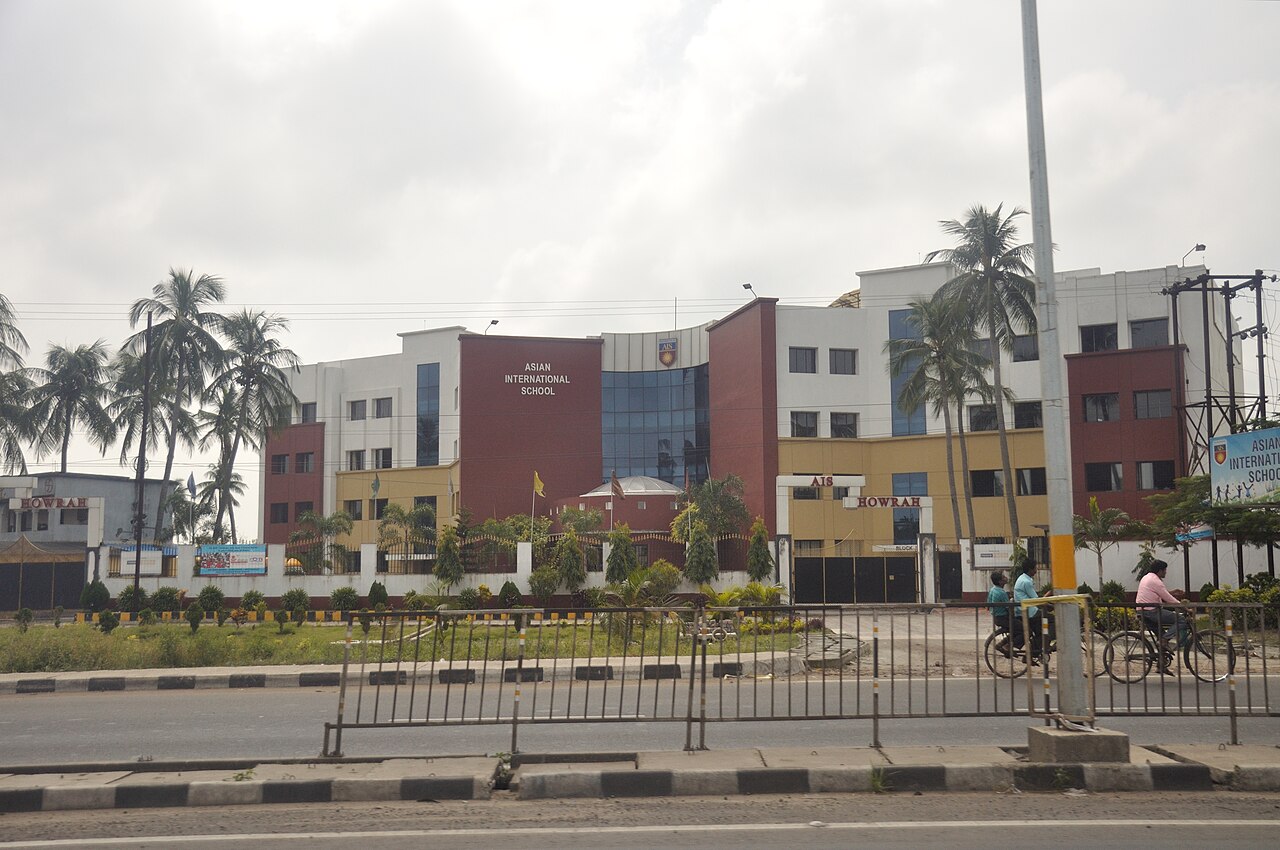
Schools and international educationTrường quốc tế
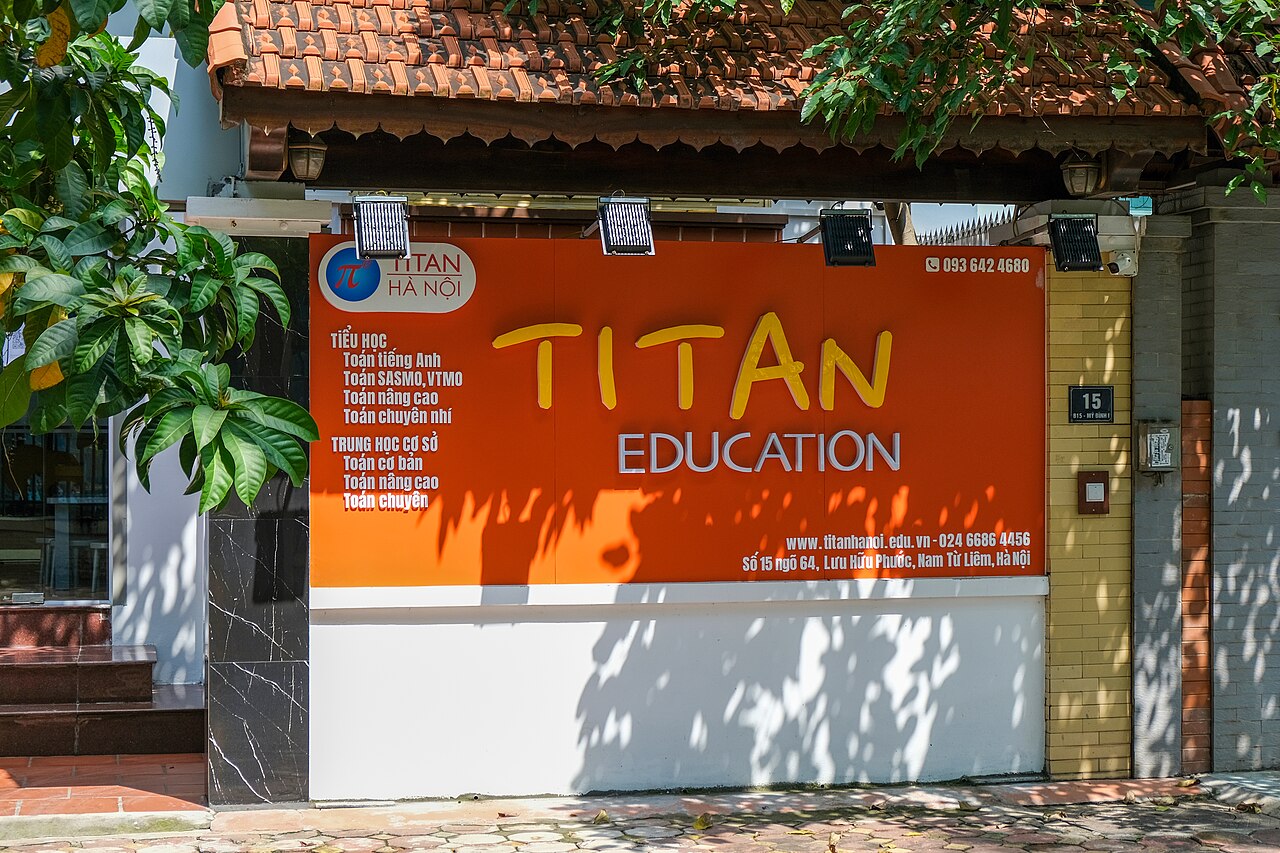
Overview of the landscape
Vietnam's international school sector has expanded steadily since the early 2000s, driven by a growing expatriate population and by Vietnamese families seeking foreign-curriculum education. The two dominant cities are Hanoi and Ho Chi Minh City, each with dozens of licensed international schools. Da Nang has a smaller but developing offer, shaped by its rising profile as a destination for remote workers and regional business. Outside these three cities, genuinely international-curriculum schools are rare, though bilingual private schools exist in several provincial centres.
Schools operate under licences issued by the provincial education authority. The legal distinction between a fully international school (permitted to enrol foreign nationals and, under certain conditions, Vietnamese nationals) and a bilingual private school affects both admissions eligibility and curriculum scope. This regulatory picture has shifted several times and continues to evolve.
Main curricula on offer
The most widely available programmes in Vietnam are:
- International Baccalaureate (IB) — offered at Primary Years (PYP), Middle Years (MYP) and Diploma (DP) levels at a number of Hanoi and Ho Chi Minh City schools. The IB Diploma is broadly recognised by universities worldwide.
- British curriculum — leading to IGCSEs and A Levels, with schools affiliated to UK inspection bodies such as BSO or ISI.
- American curriculum — typically following a US High School Diploma pathway, sometimes with AP (Advanced Placement) courses.
- Australian curriculum — present mainly in Ho Chi Minh City, associated with schools linked to Australian state education frameworks.
- French curriculum — delivered through the lycée français network, with campuses in Hanoi and Ho Chi Minh City, supervised by the AEFE (Agence pour l'Enseignement Français à l'Étranger).
Some schools blend elements — for example, teaching core subjects in English on a US framework while offering the IB Diploma at senior level. Prospective families should verify which qualifications are formally awarded and whether they are recognised in the destination country for university entry.
Fees
International school tuition in Vietnam is among the highest education expenditure a family will encounter in Southeast Asia. Fees vary significantly by school, year group, curriculum and city. In general, full IB or British-curriculum secondary programmes at established Hanoi or Ho Chi Minh City schools sit at the upper end of regional costs; early-years and primary fees are lower but still substantial. Additional charges for registration, capital levy, uniforms, school bus, meals and extracurricular activities can add materially to the headline tuition figure.
Da Nang schools tend to quote lower fees than equivalent programmes in the two major cities, reflecting both lower operating costs and a smaller, more competitive market. Bilingual private schools — which follow the Vietnamese national curriculum but conduct some subjects in English — charge considerably less than fully international schools.
Prices vary by season and by school, and fee schedules are revised annually, sometimes mid-year. Families should request a full schedule of all charges, not only tuition, before comparing schools.
Bilingual and Vietnamese-curriculum options
For families with children who hold Vietnamese citizenship, or who intend to remain in the country long-term, the local and bilingual school systems deserve consideration. Vietnamese public schools follow the national curriculum set by the Ministry of Education and Training, taught in Vietnamese. Standards and resources vary considerably between provinces and between urban and rural areas.
Private bilingual schools occupy a middle ground: they are licensed under Vietnamese law, use the national curriculum as a base, and supplement it with English-medium instruction in selected subjects. Teaching quality and the proportion of instruction in English differ widely between institutions, so independent assessment of individual schools is necessary. These schools are generally open to Vietnamese nationals without restriction and to foreign nationals with appropriate visas.
Some international schools offer Vietnamese-language and Vietnamese-culture strands, which can assist children in adapting to local life and in maintaining options within the Vietnamese education system if circumstances change.
Admissions timing and process
The academic year at most international schools in Vietnam runs from August or September to June, broadly aligned with northern-hemisphere school calendars. A small number of schools, particularly those following Australian frameworks, operate a January start. French-system schools align with the French national calendar.
Applications for the following academic year typically open between October and January, and popular year groups — particularly at secondary level and at schools with IB Diploma programmes — can reach capacity before formal deadlines pass. Waiting lists are common at several well-established Hanoi and Ho Chi Minh City schools. Families relocating with a confirmed start date should initiate contact with schools as early as possible, ideally before the move is finalised.
Entry requirements vary. Most schools require previous school reports, a language assessment (for non-native English speakers entering English-medium programmes) and sometimes a formal interview. Some schools have selective admissions for senior years. Proof of the child's and parents' visa or residence status may be required, as admissions eligibility can depend on nationality classification under the school's licence.
City-by-city differences
Ho Chi Minh City has the largest and most diverse international school market in Vietnam, with options covering every major curriculum and several niche ones. Schools are distributed across the city, with notable concentrations in District 2 (now part of Thu Duc) and in expat-dense areas to the south and west. Competition for places at certain schools is intense, and the range of fee levels is wide.
Hanoi has a well-established international school sector, smaller in absolute number than Ho Chi Minh City but with several schools that have operated for decades and carry strong reputations. Schools cluster in the Tay Ho (West Lake) corridor and in newer urban zones to the west. The diplomatic community's presence in Hanoi sustains demand for certain curricula, particularly French and some European-framework schools.
Da Nang has fewer schools and a shorter institutional history. Several international-curriculum schools have opened since the mid-2010s, and the market continues to develop. The smaller size means less choice between schools offering the same curriculum, but the city is increasingly viable for families of remote workers and regional employees who do not require the full breadth of options available in the major cities.
Practical considerations
School bus services are offered by most international schools and cover wide areas of each city, but journey times in Hanoi and Ho Chi Minh City can be long during peak hours. Families often factor school location into decisions about where to rent or buy property.
Health requirements vary by school: most international schools ask for vaccination records and some require a health certificate before enrolment. Schools generally provide or recommend local clinics or international health facilities for ongoing care.
Language of instruction affects more than the classroom. Children entering an English-medium school with limited English typically receive additional language support, though the extent and quality of such support should be verified directly with each school. Children previously schooled in Vietnamese may need transition support when entering international programmes at secondary level.
The regulatory environment for international schools — including which nationalities may enrol and what curriculum approvals are required — has changed periodically and may continue to do so. Checking the current status of a school's licence with the relevant provincial education authority, or through the school directly, is advisable before committing to enrolment.
Where it is
Also known as / see also
Được tham chiếu bởi
Các nguồn
- Trường quốc tế — Wikipedia (Vietnamese) (CC BY-SA 4.0) đã truy cập 31 August 2026
Supports: background, Vietnamese edition - Vietnam country data — World Bank đã truy cập 31 August 2026
Supports: the rules and definitions on this page
This server cannot reach the domain; the link was not confirmed from here.
Current Đã xác minh lần cuối: 31 August 2026. Rules, fares and prices change — check the official source before acting on anything here. Report a mistake.
Picture credits (2)
Asian International School - AH 45 - Dhulagori - Howrah 2015-09-18 3735, Biswarup Ganguly, CC BY 3.0, Wikimedia Commons · Titan Education 01, Hanoi librarian, CC BY-SA 4.0, Wikimedia Commons