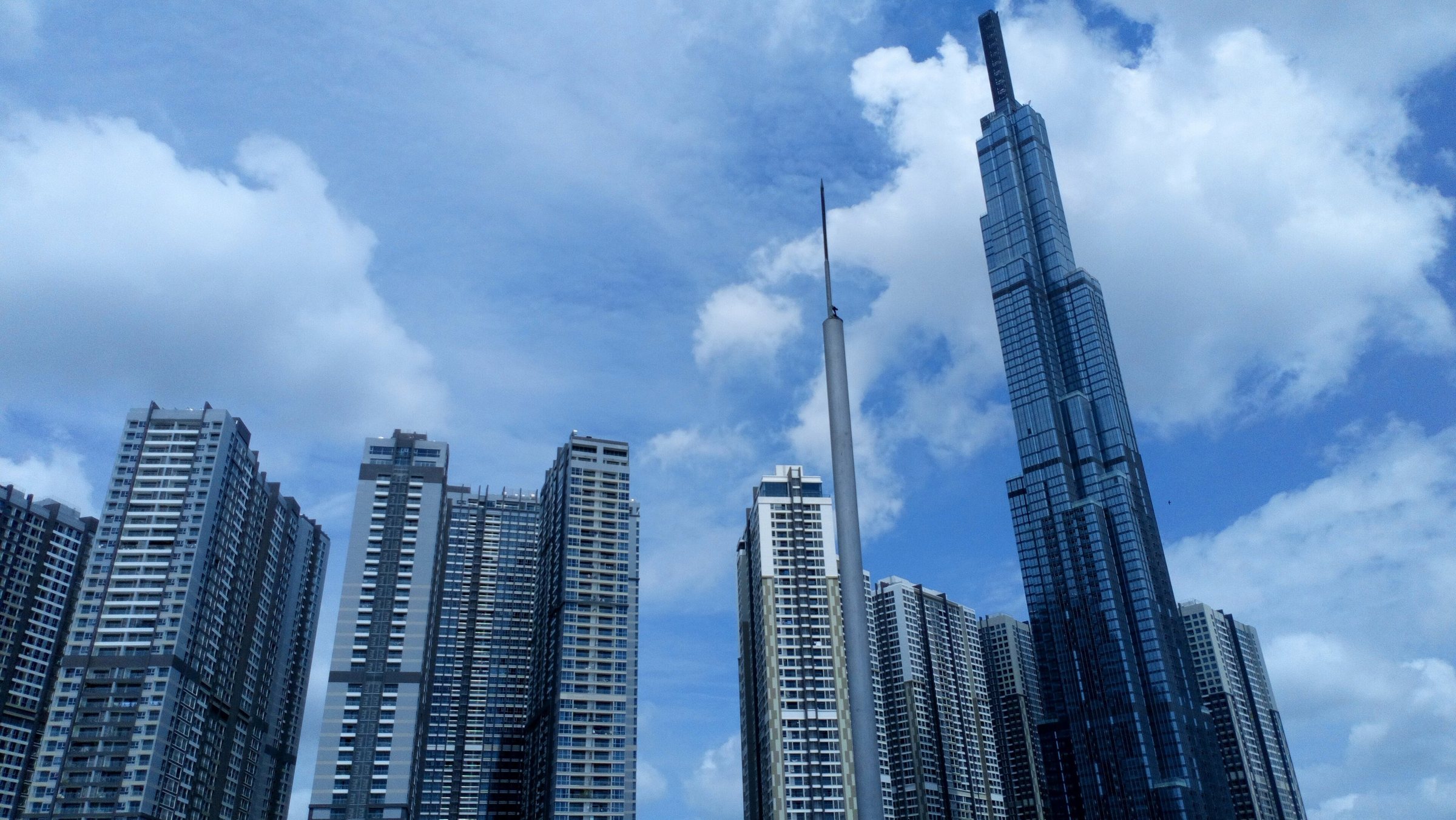
Can foreigners buy property?Người nước ngoài mua nhà
General position
This page is general reference information only. It is not legal advice. Property law in Vietnam changes frequently, and the gap between written law and practical application can be significant. Anyone considering a purchase should consult a licensed Vietnamese lawyer and, where relevant, a notary public.
Since the Housing Law of 2014 took effect, foreigners who hold a valid visa and are not subject to diplomatic immunity have been permitted to own residential property in Vietnam. The right is narrower than it may appear: it covers apartments and houses in commercial residential projects, not agricultural land, forest land, or standalone residential plots in most circumstances.
Ownership term and renewal
Foreign ownership is granted for an initial term of 50 years, renewable upon application. Vietnamese citizens, by contrast, hold residential property on an indefinite basis. At the end of the 50-year period the owner must apply to renew; whether renewal becomes routine or remains discretionary is a point of ongoing legal debate, and no large cohort of foreign-owned units has yet reached that threshold to test it in practice.
The 50-year clock starts from the date the ownership certificate — commonly called a pink book — is issued, not from the date of purchase or the date of the building's completion.
Land use rights
Vietnam does not permit private ownership of land; all land belongs to the state. What buyers receive is a land use right certificate, which grants long-term use rather than freehold title in the Western sense. For apartment buyers, the land use right is held collectively by the building and managed through the management company or owners' committee. A foreign buyer therefore holds a time-limited right to the dwelling unit, not to any portion of the land beneath it.
This distinction matters practically when reselling, mortgaging, or inheriting property, and it affects how disputes are resolved.
Quotas per building and per ward
Foreign nationals collectively may not own more than 30 per cent of apartments in any one condominium building. For landed houses within a single ward-level area, the cap has been set at a fixed number of units rather than a percentage — the precise figure has been subject to amendment, and current regulations should be confirmed with a lawyer at the time of any transaction.
Once a building reaches its foreign-ownership quota, further purchases by foreigners are blocked at the registration stage. Some buildings in popular areas of Ho Chi Minh City and Ha Noi have reached or approached their quota, which has created a secondary market in quota-adjacent workarounds of varying legality.
Structures used in practice
Because the direct ownership route carries restrictions, some foreign residents have used alternative structures. Common arrangements include:
- Ownership through a Vietnamese spouse or partner. The property is registered in a Vietnamese national's name. This removes the 50-year cap and quota limits but creates dependency on the relationship and personal legal risk.
- Ownership through a Vietnamese-registered company. A foreign-invested enterprise may hold property for business purposes under certain conditions, though residential use is restricted and the structure adds cost and complexity.
- Long-term lease agreements. Not ownership, but some buyers purchase a long lease and treat it functionally as ownership. Enforcement of lease rights can be uncertain.
Each of these structures carries distinct risks. Vietnamese courts have, in various cases, treated nominee arrangements as invalid or fraudulent. The legal landscape around them is not settled.
Practical risks and considerations
Several risks recur in the experience of foreign buyers in Vietnam:
- Off-plan purchases. Many projects are sold before completion. Developer insolvency, delayed handover, and changes to approved designs have affected buyers in multiple cities.
- Pink book delays. Some owners wait years after taking possession before receiving their ownership certificate. Without the certificate, resale and mortgage are very difficult.
- Remittance of funds. Foreign buyers are expected to transfer purchase funds through licensed banks. Bringing cash informally creates difficulties when attempting to repatriate proceeds on resale.
- Changing law. Vietnam's National Assembly has amended housing and land legislation several times since 2014. Rules in force at the time of purchase may not be those in force at renewal or resale.
Current legal environment
Vietnam revised its Land Law and Housing Law in 2024, with provisions phased into effect through 2025. Some amendments affect foreign ownership terms, the definition of eligible residential projects, and procedures for renewal. As of mid-2025, implementation circulars and guidance from provincial authorities are still being issued, and there is variation in how different localities are applying the new rules.
This is an area where checking the current legal position at the time of any transaction is genuinely important, not a formality. The information on this page reflects the general framework but cannot be treated as current legal advice.
Where it is
Also known as / see also
Referenciado por
Fuentes
- General Statistics Office of Vietnam — GSO consultado 3 September 2026
Supports: the rules and definitions on this page
This server cannot reach the domain; the link was not confirmed from here. - Vietnam country data — World Bank consultado 31 August 2026
Supports: the rules and definitions on this page
This server cannot reach the domain; the link was not confirmed from here.
Current Última verificación: 31 August 2026. Rules, fares and prices change — check the official source before acting on anything here. Report a mistake.
Picture credits (1)
Landmark81 582018 NhonHuynh, Huỳnh Vĩ Nhơn, CC BY-SA 4.0, Wikimedia Commons