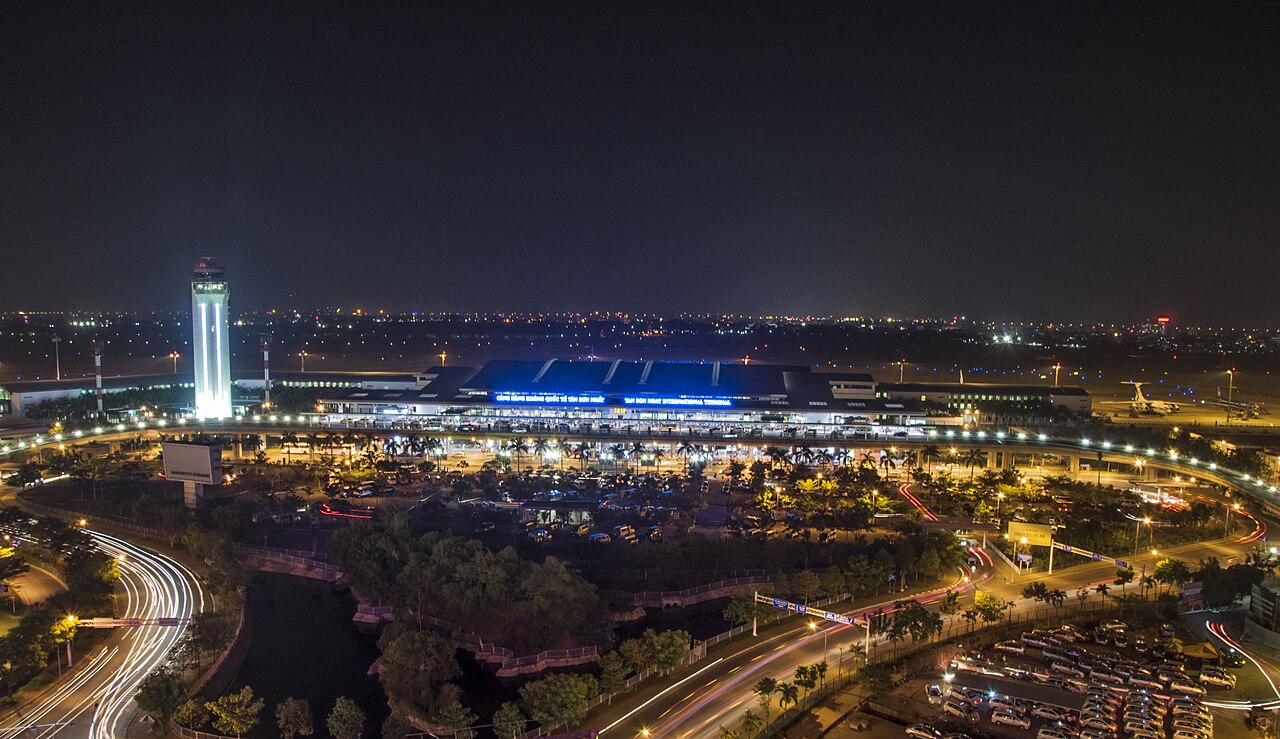
Tan Son Nhat International Airport (SGN)Sân bay Tân Sơn Nhất
Tan Son Nhat International Airport (IATA: SGN, ICAO: VVTS) serves Ho Chi Minh City and acts as the principal hub for air travel across southern Vietnam. Chronic congestion — a product of passenger volumes that have long outpaced the airport's original design capacity — shapes much of the practical experience of passing through it.
Typical journey times
| Journey | Typical time | How often | Notes |
|---|---|---|---|
| Car Tan Son Nhat → District 1 | 25 – 45 min | On demand | 7 km, but the traffic decides. |
| Bus Tan Son Nhat → District 1 | 45 – 60 min | Regular | The 109 and 152 services. |
Typical door-to-door ranges, not a timetable. Road times move with traffic and weather, and sea crossings are cancelled outright in rough conditions — confirm with the operator on the day. Last reviewed: 2026-09-10.
Terminals
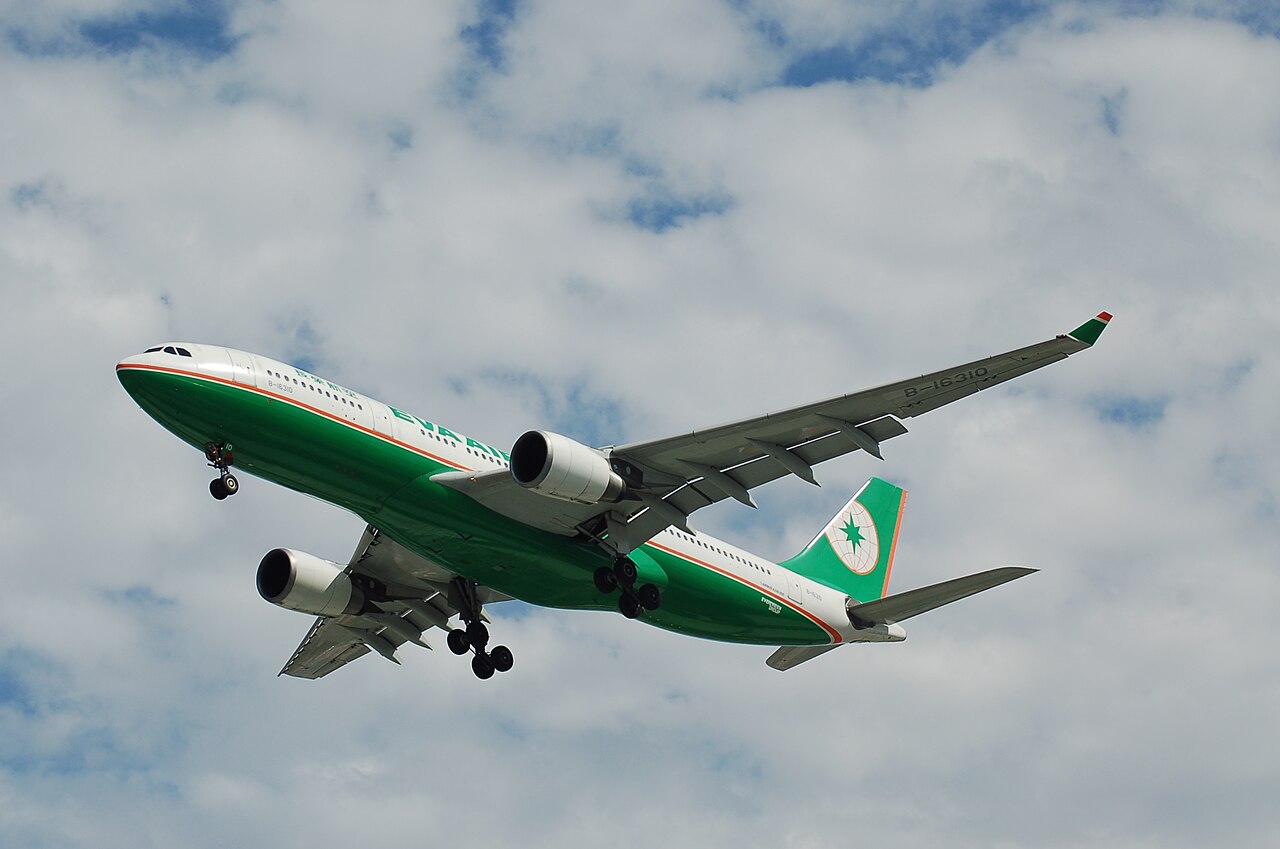
The airport operates two separate terminal buildings. Terminal 2 (T2) handles all international arrivals and departures. Terminal 1 (T1) is dedicated to domestic flights. The two buildings are adjacent but distinct; passengers connecting between an international flight and a domestic one must collect baggage, clear customs, and re-check in at the other terminal, which takes time and should be factored into any tight itinerary.
International arrivals pass through immigration and customs in T2 before entering the public arrivals hall, where transport options and currency exchange counters are available. Immigration queues can be substantial, particularly when several wide-body aircraft land in close succession during morning or evening bank windows.
Peak-hour congestion
Tan Son Nhat has a well-documented congestion problem. Road access to the airport feeds through densely trafficked residential streets, and the surrounding network was not designed for current volumes. During morning and evening peak hours — broadly 07:00–09:00 and 17:00–20:00 — the approach roads can back up considerably, and journey times from the city centre may run significantly longer than the raw distance of 7 km would suggest.
Inside the terminals, check-in, security and immigration can all generate queues at busy periods. Arriving with less time than the airline recommends is a recognised risk at this airport. The situation is most acute during Tết (the Lunar New Year period) and major public holidays, when domestic travel demand spikes sharply.
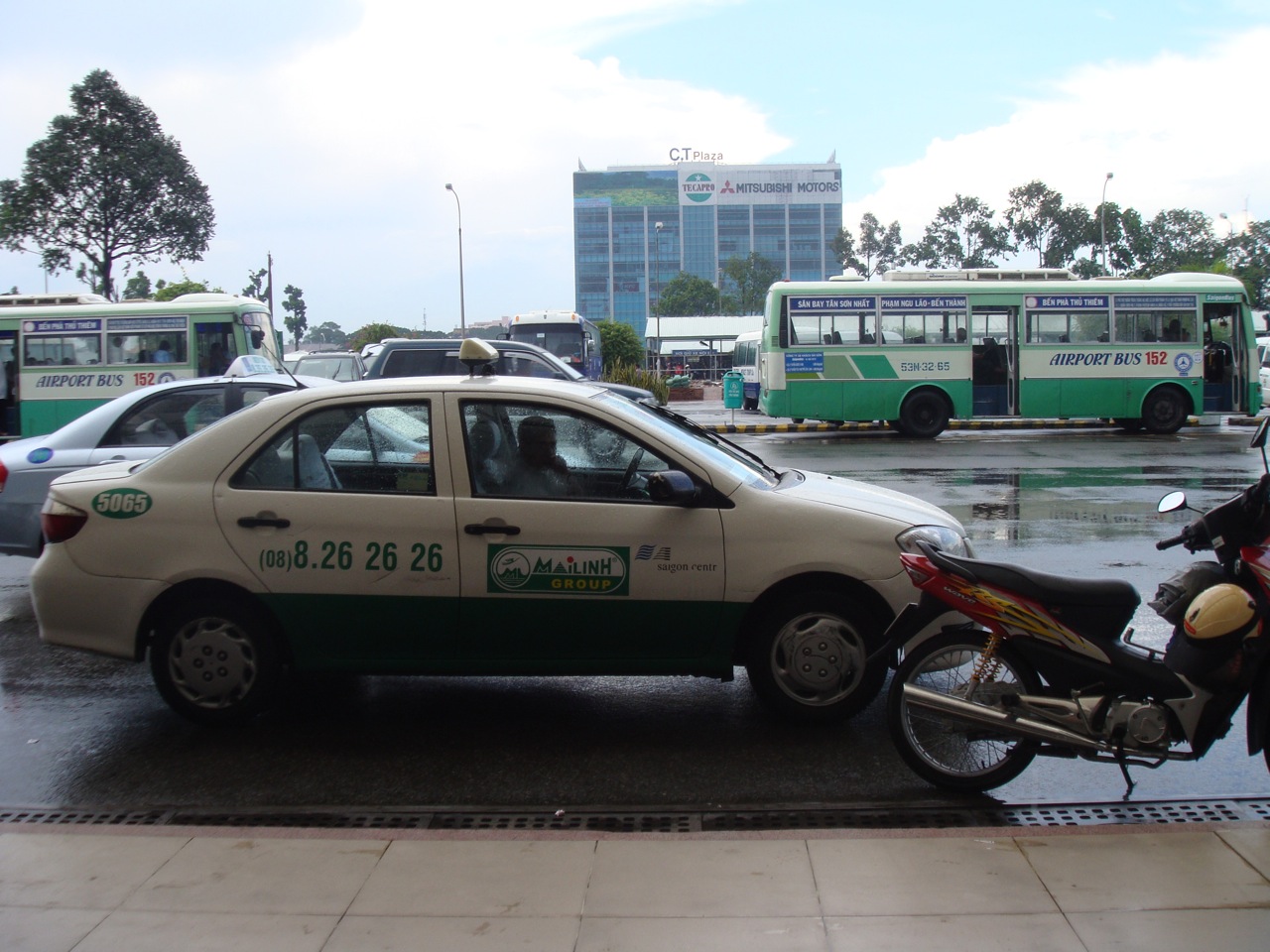
Buses: routes 109 and 152
Two public bus routes connect the airport to the city without the surcharges associated with taxis or ride-hailing services.
- Route 109 runs between the airport and the Ben Thanh bus station in District 1, which is close to the historic centre of Ho Chi Minh City. It is the more direct of the two routes for reaching central districts.
- Route 152 also connects to Ben Thanh and covers a different alignment, passing through additional stops. It is generally slower but may be more convenient depending on a passenger's final destination.
Both routes carry luggage and are used by a mix of locals and travellers. There is a fare for each route; the fare structure is set by the city and subject to change. Buses depart from a designated stop outside the domestic terminal area.
Grab and ride-hailing
Grab — the dominant ride-hailing platform in Vietnam — operates at Tan Son Nhat, but pickup arrangements are specific to the airport. Passengers must proceed to designated Grab pickup zones rather than being met at the kerb outside arrivals; the exact zones are marked within the terminal and in the Grab app at booking. Attempting to meet a driver outside the marked zones tends to result in delays and is discouraged by airport staff.
Airports in Vietnam apply a surcharge to ride-hailing bookings originating from within the terminal area. This surcharge is added automatically by the app and is visible before the booking is confirmed. The total fare will therefore be higher than the equivalent trip booked from the city side. Conventional metered taxis are also available from dedicated taxi ranks and are subject to the same general surcharge structure.
When to travel through SGN
There is no universally quiet season at Tan Son Nhat, as it serves a large metropolitan area with year-round demand. That said, the most congested periods are predictable: Tết (falling in late January or February depending on the lunar calendar) generates the highest domestic volumes, with many flights fully booked weeks in advance and airport crowds peaking in the days before and after the holiday. Other public holiday clusters — April 30/May 1, and September 2 — produce similar though smaller surges.
For international travellers, the airport's busy morning and evening international banks of flights mean that early-afternoon periods tend to see somewhat shorter immigration queues, though this is not guaranteed.
Long Thanh: the planned replacement
Vietnam has been developing Long Thanh International Airport, a large greenfield facility intended to relieve Tan Son Nhat and eventually serve as the primary international gateway for southern Vietnam. The project is under construction, and its expected opening date has shifted on several occasions. Whether Long Thanh will fully replace or merely supplement Tan Son Nhat once operational, and what role SGN will retain, remains an unsettled question; the eventual division of routes and traffic between the two airports has not been definitively determined at the time of writing. Travellers planning well ahead should verify the current status of Long Thanh through official Vietnamese aviation sources.
Also known as / see also
服务范围
被以下页面引用
来源
- Airports Corporation of Vietnam — ACV 访问于 29 August 2026
Supports: carried over from the first build - Vietnam National Authority of Tourism — VNAT 访问于 29 August 2026
Supports: carried over from the first build
Ageing 最后核实: 29 August 2026. Rules, fares and prices change — check the official source before acting on anything here. Report a mistake.
Picture credits (3)
Tan Son Nhat International Airport at night (12088245464), Bem photography:, CC BY 2.0, Wikimedia Commons · EVA Air A330-203 (B-16310) landing at Tan Son Nhat International Airport, Alec Wilson from Khon Kaen, Thailand, CC BY-SA 2.0, Wikimedia Commons · Mai Linh Taxi at Tan Son Nhat, midorisyu, CC BY 2.0, Wikimedia Commons