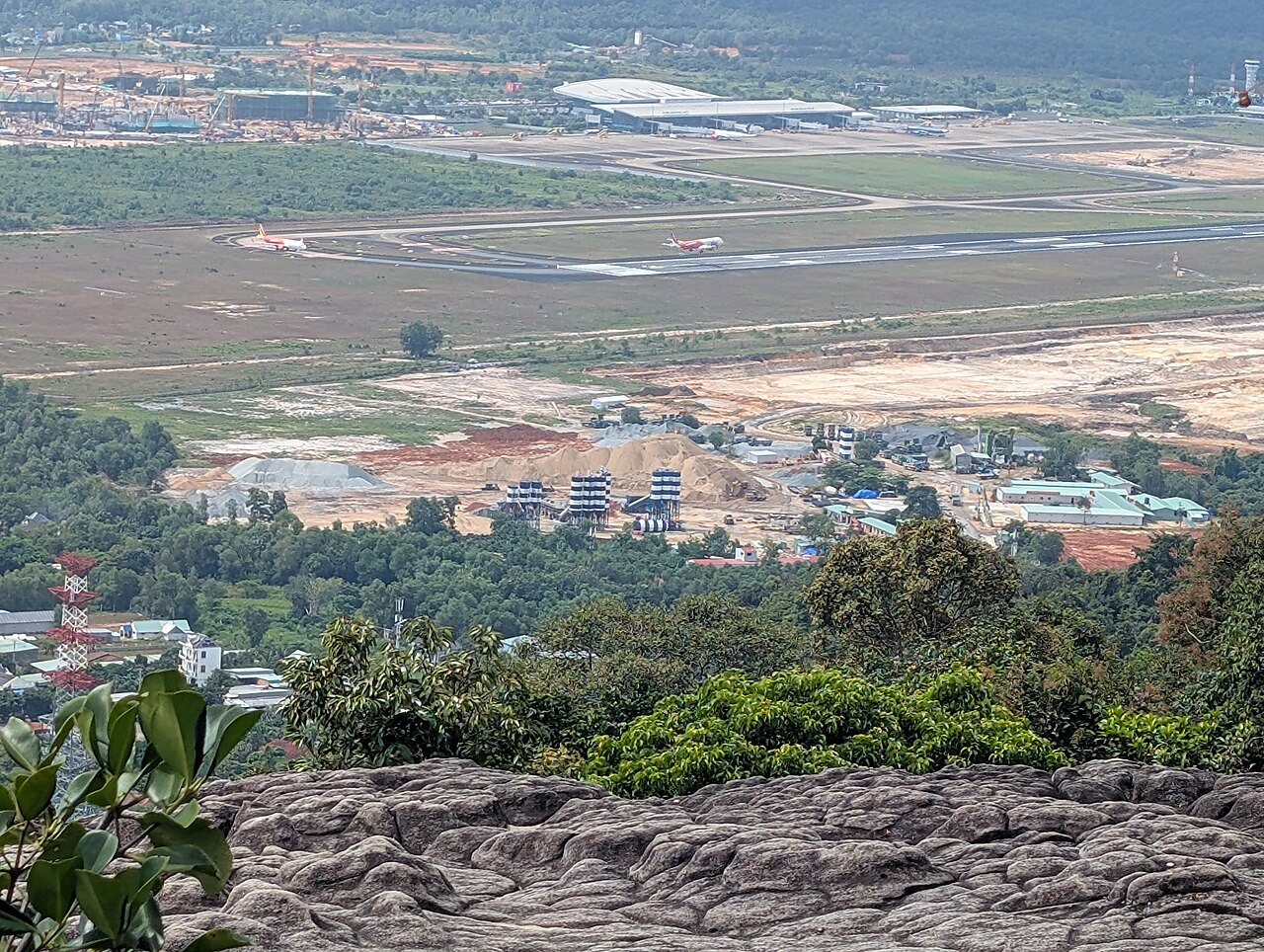
Phu Quoc International Airport (PQC)Sân bay Phú Quốc
Phu Quoc International Airport (IATA: PQC) sits in the south of Phu Quoc island, the largest island in Vietnam. Opened in its current form in 2012 and expanded since, it is the primary point of entry for the island, supplementing the slower sea routes from the mainland.
Typical journey times
| Journey | Typical time | How often | Notes |
|---|---|---|---|
| Car Phu Quoc airport → Duong Dong town | 15 min | On demand | |
| Car Phu Quoc airport → the southern beaches | 25 – 30 min | On demand |
Typical door-to-door ranges, not a timetable. Road times move with traffic and weather, and sea crossings are cancelled outright in rough conditions — confirm with the operator on the day. Last reviewed: 2026-09-10.
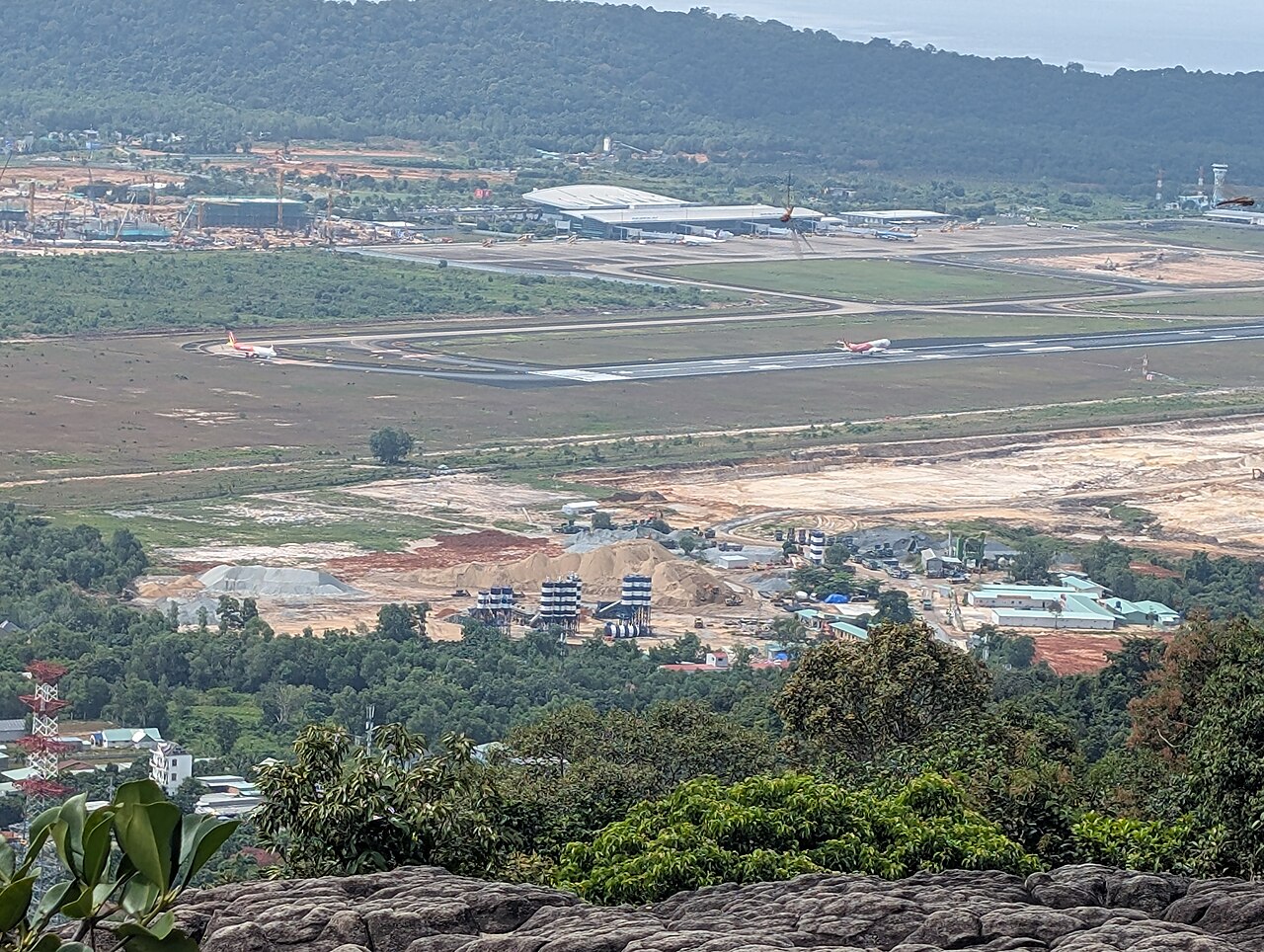
Domestic and International Routes
PQC is connected to Hanoi, Ho Chi Minh City and a number of other Vietnamese cities by regular domestic services, with Vietnam Airlines, VietJet Air and Bamboo Airways among the carriers operating these routes. Frequency is highest on the Ho Chi Minh City corridor, where flights depart throughout the day.
International services link Phu Quoc to destinations across East and Southeast Asia, though the network of direct international routes has changed over time and is subject to seasonal adjustment. Travellers connecting from long-haul flights typically transfer through Ho Chi Minh City or, less commonly, Hanoi. The airport has a single international terminal alongside its domestic facilities.
The Phu Quoc Visa Exemption
Phu Quoc operates under a distinct visa arrangement. Foreign nationals arriving directly at PQC and intending to remain on the island — without travelling to the Vietnamese mainland — have historically been eligible for a stay of up to 30 days without a visa, regardless of nationality. This is a notable exception to the general rules that apply at mainland entry points.
The conditions attached to this exemption are specific: it applies only while the visitor stays on the island. A traveller who crosses to the mainland forfeits the exemption and would require a valid visa or an applicable visa-free entitlement for their nationality. Whether a written legal instrument formally underpinning this arrangement is currently in force is an unsettled question; the practical application has continued, but the regulatory basis has been described inconsistently in official sources.
Visa rules can change by ministerial decree at short notice. The authoritative source for current conditions is the Vietnamese immigration authority or the Vietnamese embassy or consulate serving the traveller's country of residence.
Getting from the Airport to the Island
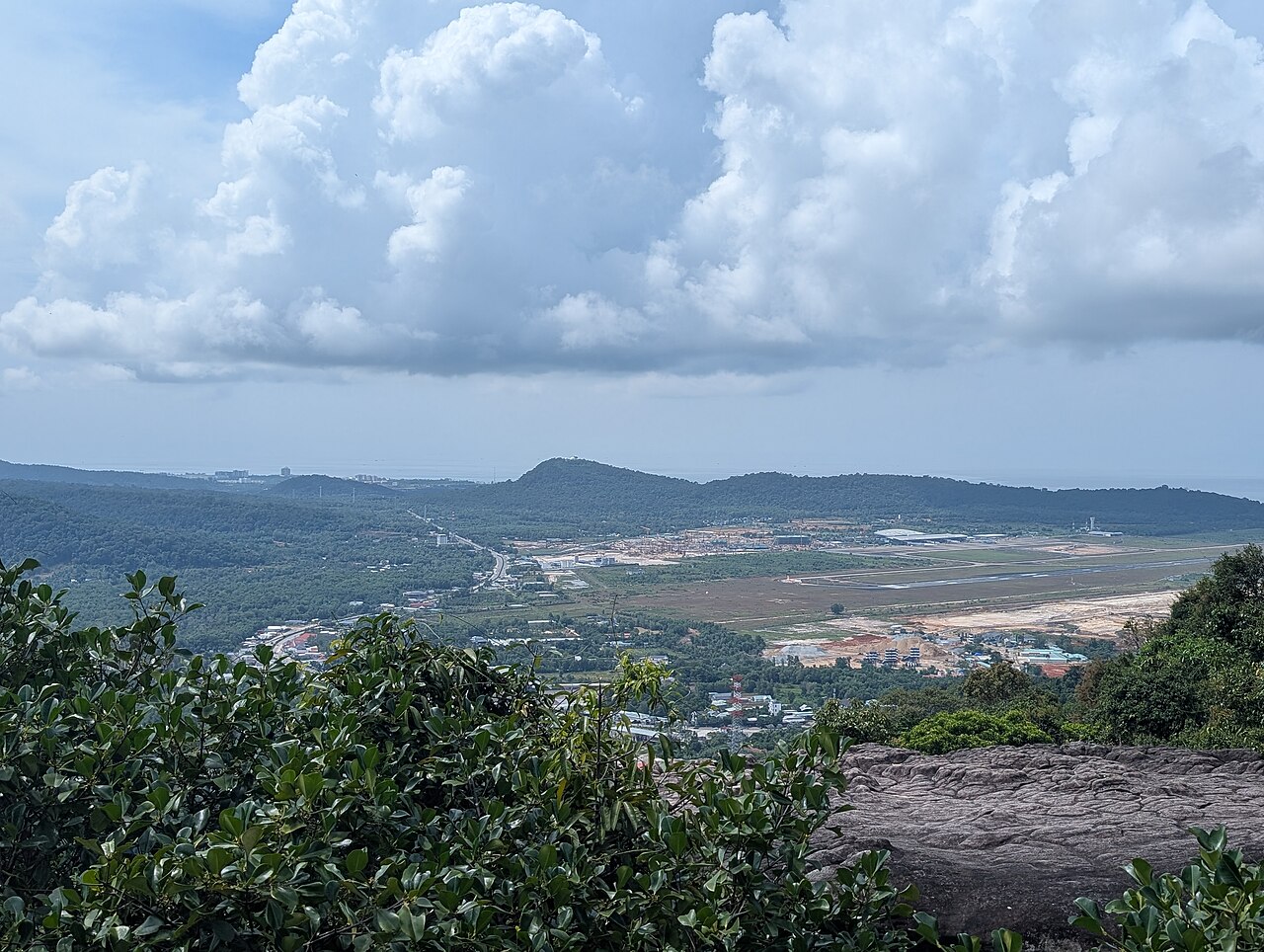
The airport is located near the southern tip of Phu Quoc island, approximately 10 kilometres from Long Beach (Bai Truong), which is the main hotel strip. Taxis and ride-hailing services operate from outside the terminal and are the most direct option for most destinations. The fare depends on the destination and the operator.
The north of the island — where Vinpearl's resort complex and a number of beaches are located — is considerably further from the airport, and journey times by road are longer. There is no rail connection on the island. Motorbike taxis are available but less suitable for travellers with significant luggage.
Car hire is possible on the island, though roads outside the main southern corridor can be narrow and in variable condition, and local driving patterns differ markedly from what many Western visitors are accustomed to.
The Ferry Alternative: Rach Gia and Ha Tien
For travellers who prefer not to fly, or who are already in the Mekong Delta region, Phu Quoc can be reached by high-speed ferry from two mainland ports: Rach Gia (in the province of Kien Giang, on the mainland) and Ha Tien (near the Cambodian border). The crossing from Ha Tien is shorter in distance; the crossing from Rach Gia takes longer.
Ferries do not operate in all weather conditions. During periods of rough seas, particularly at the height of the wet season, services can be suspended at short notice. The visa exemption described above applies to arrivals by sea at Phu Quoc as well as by air, subject to the same conditions regarding onward travel to the mainland.
Some travellers combine the ferry and the airport, arriving by one mode and departing by the other, which allows for a one-way routing through the Mekong Delta.
Airport Facilities
The terminal building has the standard facilities of a mid-sized regional international airport: check-in counters, immigration and customs halls, a departure lounge with food and beverage outlets, and baggage reclaim. The international and domestic sections are handled separately. The airport can become congested during peak travel periods, particularly around Vietnamese public holidays and the main tourist season from November to April, when both domestic and international visitor numbers are at their highest.
There is no significant public transport link between the airport and the rest of the island; private transfer, taxi or ride-hailing remain the practical options for onward travel.
Also known as / see also
Phục vụ
Được tham chiếu bởi
Các nguồn
- Airports Corporation of Vietnam — ACV đã truy cập 29 August 2026
Supports: carried over from the first build - Vietnam National Authority of Tourism — VNAT đã truy cập 29 August 2026
Supports: carried over from the first build
Ageing Đã xác minh lần cuối: 29 August 2026. Rules, fares and prices change — check the official source before acting on anything here. Report a mistake.
Picture credits (3)
Airport Phu Quoc, Elmschrat, CC0, Wikimedia Commons · Airport Phu Quoc (2), Elmschrat, CC0, Wikimedia Commons · Phu Quoc aerial view, Elmschrat, CC0, Wikimedia Commons