Ho Chi Minh City metroMetro Thành phố Hồ Chí Minh
The Ho Chi Minh City Metro opened its first line after more than a decade of construction, giving Vietnam's largest city its first urban rail connection. The network is at an early stage: Line 1 is the only operational route, while further lines remain at various stages of planning and construction.
Typical journey times
| Journey | Typical time | How often | Notes |
|---|---|---|---|
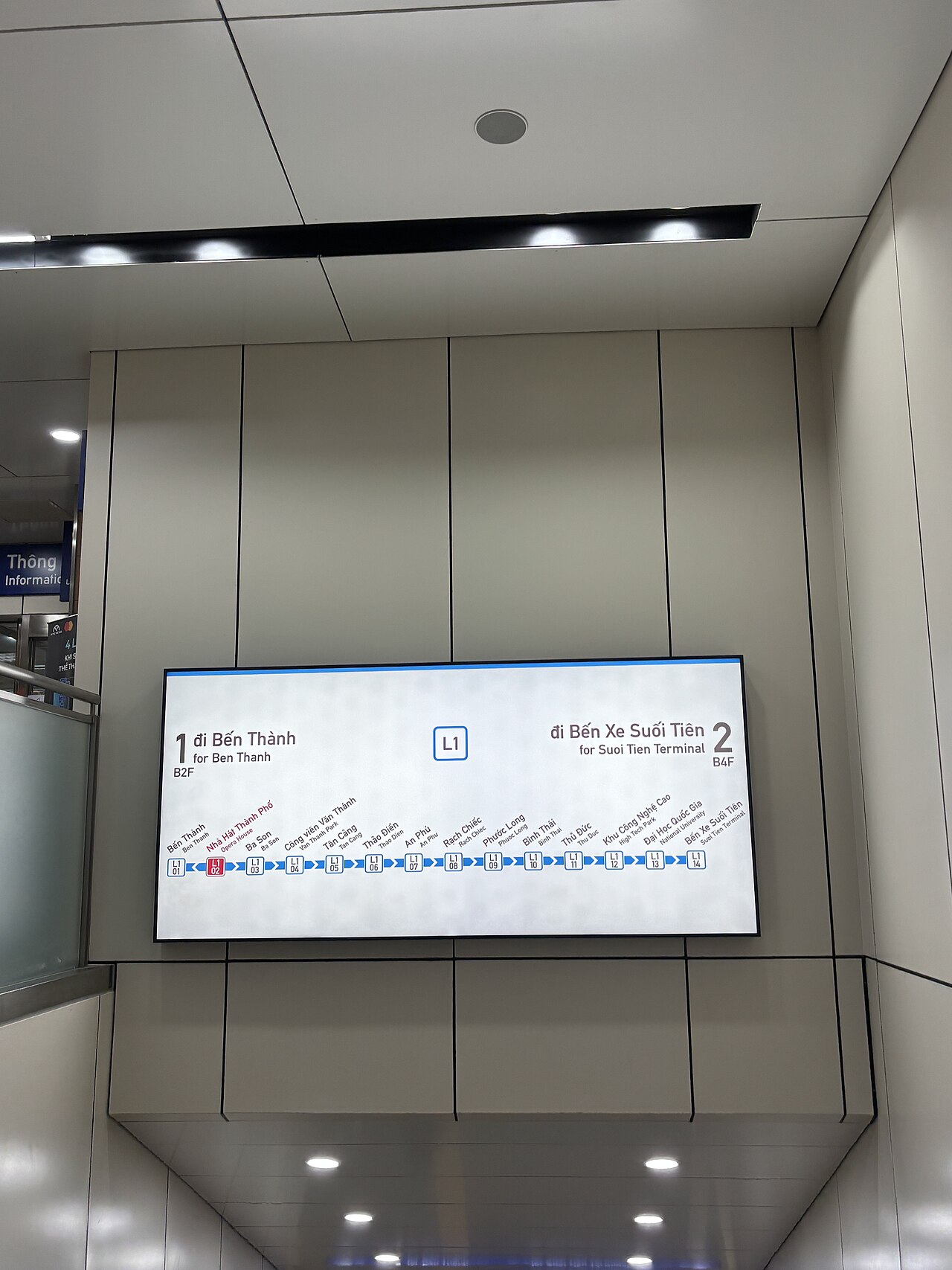
| Metro Ben Thanh → Suoi Tien | about 30 min | Every few minutes | Line 1, end to end, 14 stations. |
Typical door-to-door ranges, not a timetable. Road times move with traffic and weather, and sea crossings are cancelled outright in rough conditions — confirm with the operator on the day. Last reviewed: 2026-09-10.
Line 1: Route and Alignment
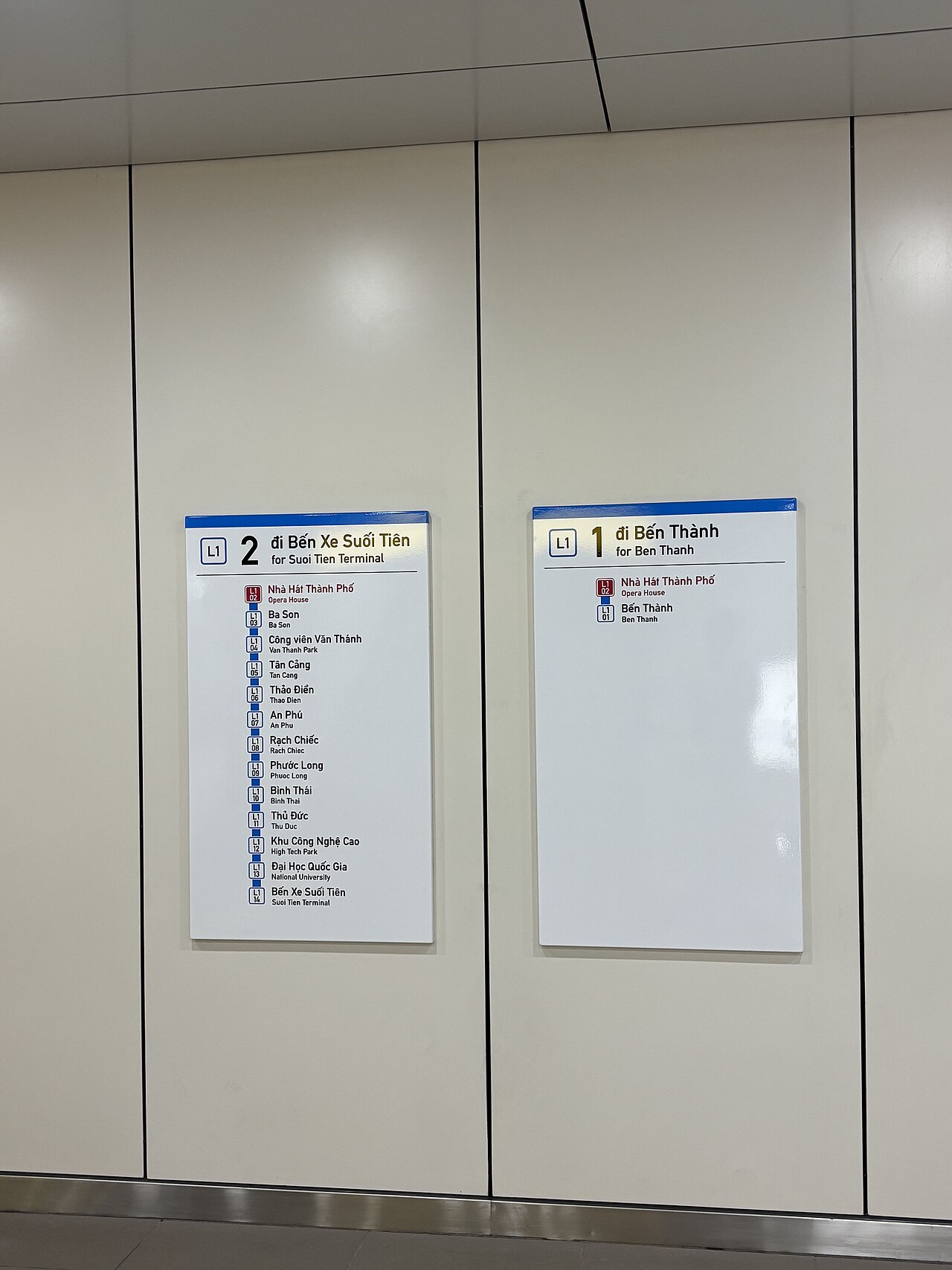
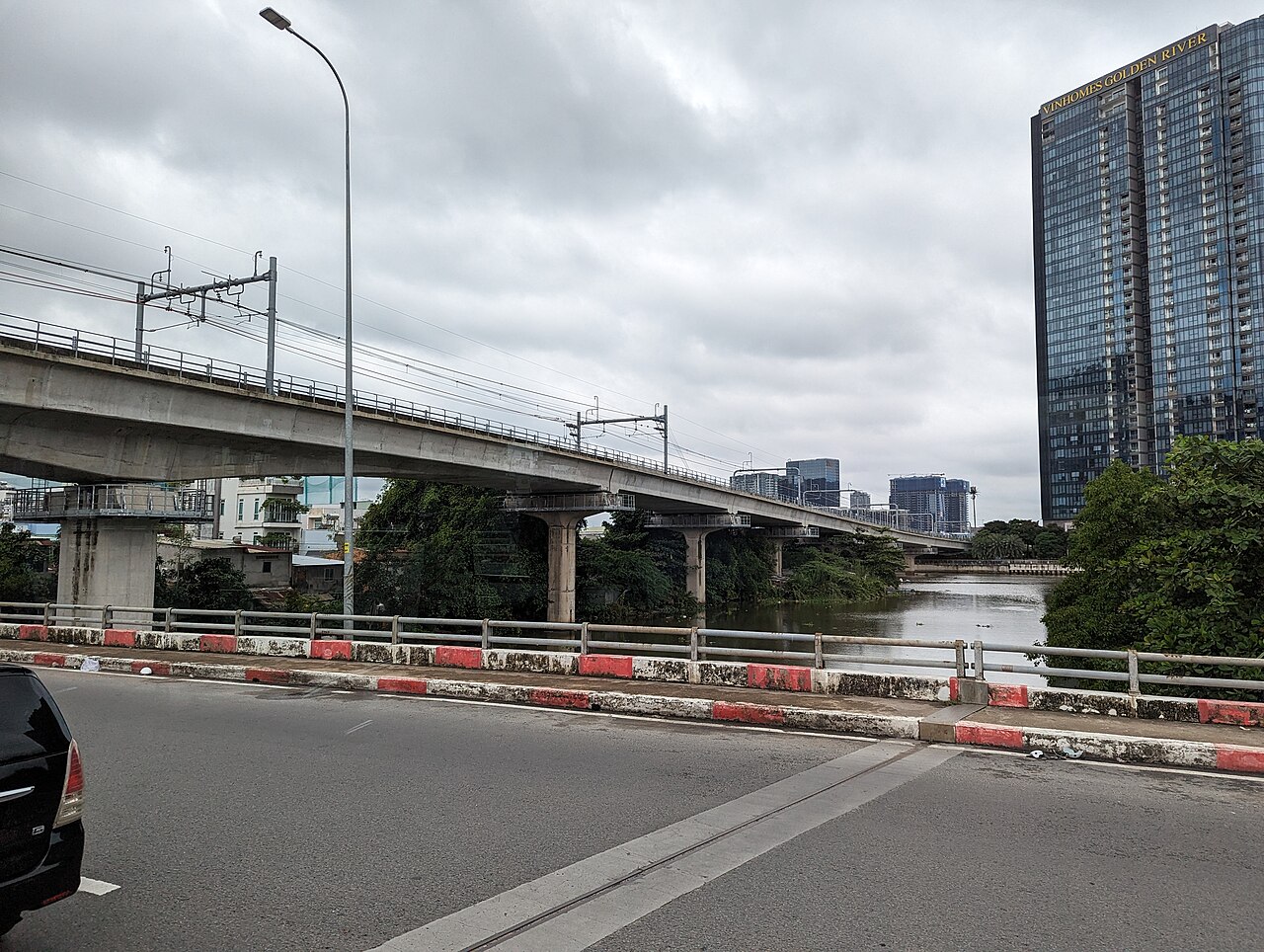
Line 1 runs from Ben Thanh station, beneath the historic market district in central Ho Chi Minh City, eastward through the urban core before rising to an elevated viaduct for the majority of its length. It terminates at Suoi Tien, adjacent to a large theme park and bus terminal at the city's northeastern edge in the former Thu Duc area.
The line passes through a mix of dense inner-city districts and rapidly developing suburban corridors. Key intermediate stations include Opera House, close to the colonial-era Municipal Theatre and the hotel and restaurant district of Dong Khoi; Ba Son, near the waterfront; and Thao Dien, a neighbourhood with a large expatriate residential population and numerous international restaurants and schools. Further out, stations serve university campuses and the expanding eastern urban fringe before reaching Suoi Tien.
Stations for Visitors
- Ben Thanh: The western terminus, directly connected to Ben Thanh Market and the city's main backpacker and tourist zone. Underground station with interchange to planned future lines.
- Opera House: Serves the Dong Khoi luxury corridor, the Municipal Theatre, major hotels, and the riverfront. Well placed for first-time visitors staying in the central hotel district.
- Thao Dien: The principal station for the established expatriate residential area across the Saigon River in what was formerly Thu Duc. Access to cafés, international schools and riverside dining.
- Suoi Tien: The eastern terminus, adjacent to Suoi Tien Tourist Area and a major bus hub for onward travel toward the Mekong Delta region and the southeastern provinces.
Fares and Ticketing
Tickets are distance-based, with the fare varying according to the number of stations travelled. Single-journey tickets are available, as are stored-value cards that can be used across multiple trips and offer a modest saving over repeated single purchases. There is an entry fee for each journey; the exact structure is published by the metro operator and is subject to revision.
Ticket machines at stations operate in Vietnamese and English. Platform staff are generally available during operating hours to assist passengers unfamiliar with the system. The stored-value card requires an initial deposit and can be topped up at station machines or service counters.
Hours of Operation
The line operates daily, with service beginning in the morning and ending in the late evening. Exact first and last departure times are published by the metro operator and may be adjusted on public holidays or during special events. Frequency is higher during peak commuting hours and lower in the middle of the day and in the evening. Specific timetables should be confirmed with the operator before travel, as schedules can change.
Future Lines
Several additional metro lines for Ho Chi Minh City have been in planning and at varying stages of development for a number of years. Whether any further lines currently have a confirmed opening date, are under active construction, or remain at the design and funding stage is a question that has not been resolved at the time of writing. The status of the broader network has shifted repeatedly due to funding, land clearance and technical factors, and the official position of the city authority is the reliable source for current progress. This page will be updated as the situation becomes clearer.
Also known as / see also
Bedient
Verwezen door
Bronnen
- Ministry of Transport — Ministry of Transport of Vietnam geraadpleegd 29 August 2026
Supports: carried over from the first build - Vietnam National Authority of Tourism — VNAT geraadpleegd 29 August 2026
Supports: carried over from the first build - Đường sắt đô thị Thành phố Hồ Chí Minh — Wikipedia (Vietnamese) (CC BY-SA 4.0) geraadpleegd 29 August 2026
Supports: carried over from the first build
Current Laatst geverifieerd: 29 August 2026. Rules, fares and prices change — check the official source before acting on anything here. Report a mistake.
Picture credits (3)
HCMC Metro Line 1 Route at Opera House Station, XxxNMTxxx, CC0, Wikimedia Commons · HCMC Metro Line 1 Route at Opera House Station 1, XxxNMTxxx, CC0, Wikimedia Commons · July 2023 Saigon seen from bus 53, Sunday morning 24, Syced, CC0, Wikimedia Commons