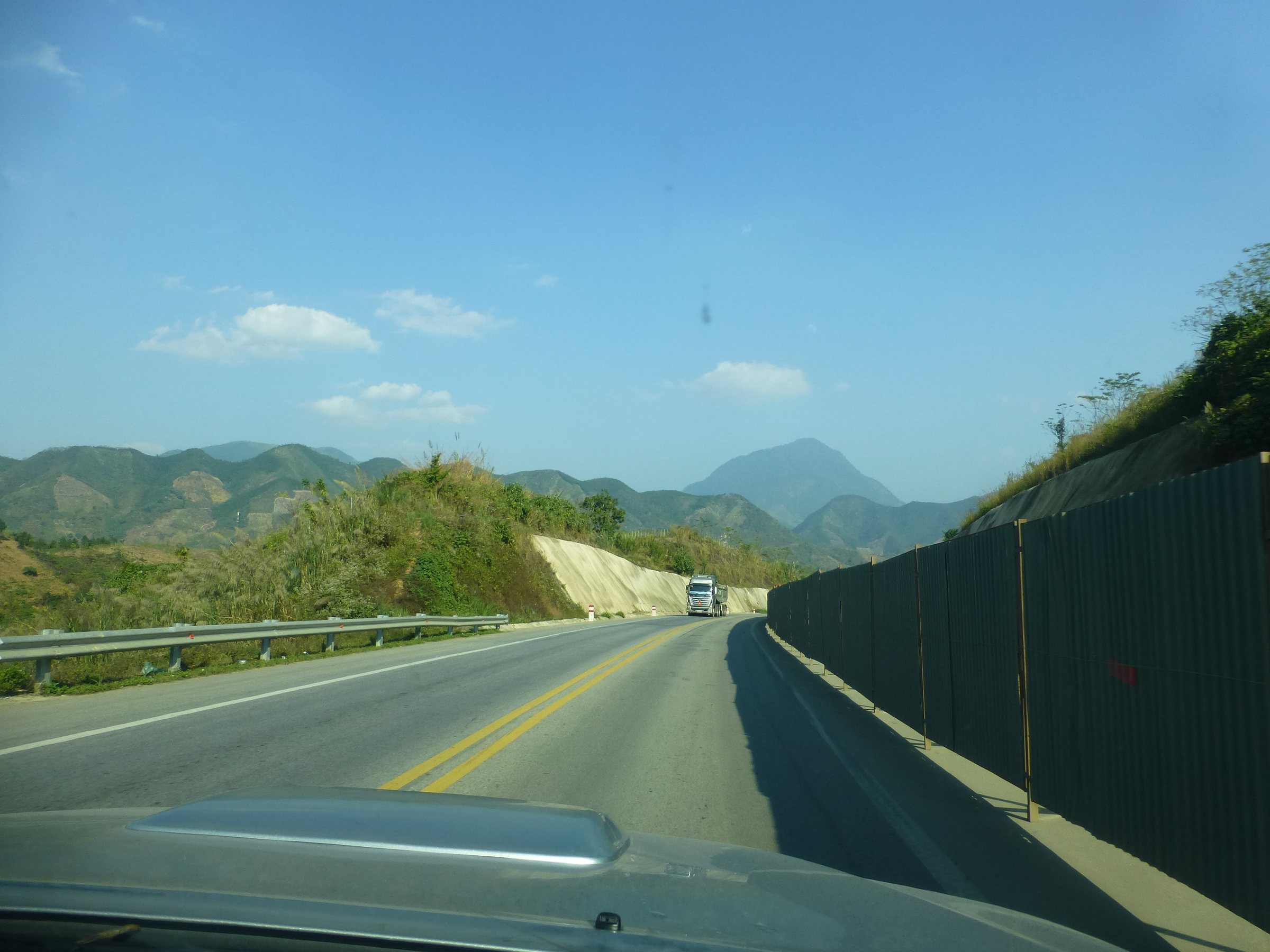
Hanoi to Sapa
How to get there
315 kmSleeper bus is now the fastest and most common way; the overnight train goes to Lao Cai, 38 km short of Sapa, and needs a transfer.
| Option | Typical time | How often | What it is like | Best for | Tarifa |
|---|---|---|---|---|---|
| Bus Sleeper bus / limousine van | 5–6 hours | Frequent, day and night | Lie-flat berth or reclining seat | Almost everyone — fastest and most direct | not verified |
| Train Overnight train to Lao Cai + road transfer | 8 hours to Lao Cai, then about 1 hour by road | Nightly | 4-berth soft sleeper; private carriages available | Sleeping through the journey; travellers who dislike mountain roads | not verified |
| Car Private car | 5–6 hours | On demand | Door to door | Groups, families, or stopping en route | not verified |
Times are typical door-to-door ranges, not a timetable, and they move with traffic, weather and season. A fare is shown only where we have checked it against a published source on the date given; everywhere else it says so rather than guessing. Confirm both with the operator before you book.
Options last reviewed: 2026-09-03
Overview of the route
The road between Hanoi and Sapa covers roughly 315 km, following National Route 4D into Lao Cai province before climbing through a series of switchbacks to Sapa town at around 1,500 metres. The final section above Lao Cai is the most demanding stretch of road on the route: narrow in places, exposed to mist and rain, and subject to landslips during and after heavy rain. Three main options exist — sleeper bus or limousine van, the overnight train to Lao Cai with an onward road transfer, and private car. All three depart from Hanoi and arrive in or near Sapa town centre, though the train requires an extra step.
Sleeper bus and limousine van
The sleeper bus and limousine van services have become the dominant mode on this route. Sleeper buses use lie-flat berths arranged in two or three tiers; limousine vans seat fewer passengers in wider, reclining chairs. Both types depart from the My Dinh bus station area in Hanoi and from various pick-up points in the Old Quarter, with hotel pickup included by many operators. The journey ends either at the operator's own office in Sapa town or at a central drop-off point on the main street.
What can go wrong: berth allocation is often printed on the ticket but not always honoured; overhead luggage space is limited on older buses; and some operators advertise a limousine product but run a standard bus. Reading recent reviews of the specific operator, rather than the mode in general, is more reliable than brand reputation alone. Night departures are popular because passengers sleep through most of the mountain road, but day services allow views of the valley approaching Sapa.
Overnight train to Lao Cai
Vietnam Railways operates nightly trains from Hanoi station (Ga Hà Nội) on Tran Quy Cap Street to Lao Cai station, the provincial capital on the Chinese border. The standard carriage is a four-berth soft sleeper. Several private operators — including Sapaly, Violette and King Express — attach their own carriages to the state train, offering more comfortable fittings, wood panelling and in some cases en-suite toilets. These private carriages are booked directly with the operators or through agencies.
Lao Cai station sits in the valley, 38 km and about one hour's drive below Sapa. On arrival, shared minibuses and private taxis wait outside the station for the transfer. The transfer is straightforward but adds time and a second negotiation. For travellers who sleep poorly on buses or find mountain roads uncomfortable, the train's relatively smooth motion on the valley floor is an advantage. The trade-off is the compulsory transfer and a longer total journey.
Private car
A private car or minivan, booked through a hotel or agency in Hanoi, travels the same road as the buses but offers complete flexibility over departure time and stops. The journey takes the same five to six hours under normal conditions; the road does not significantly change character for a private vehicle. The format suits families travelling with young children, groups sharing the cost, or anyone planning to stop at points along the route — Bac Ha market (on Sundays) and the valley viewpoints near the Lao Cai–Sapa road are common reasons to break the journey.
Drivers from Hanoi do not always know Sapa's smaller streets well; confirming the exact drop-off address in advance avoids confusion on arrival.
Booking and what to know at each end
Sleeper bus and limousine tickets are sold through operator websites, aggregator apps and guesthouses in Hanoi's Old Quarter. Booking a day or two ahead is normally sufficient outside Vietnamese public holidays; during Tết (Lunar New Year) and the summer school-holiday period (roughly June–August), seats fill days in advance. Train berths on the private carriages sell out further ahead, particularly lower berths, which are preferred for easier access and less motion.
In Hanoi, sleeper bus departures cluster in the early evening for overnight arrivals; day departures run throughout the morning. The Old Quarter pick-up is convenient but adds time to the schedule if the bus collects from multiple hotels before leaving the city. Arriving early at the official departure point avoids a missed bus if the hotel pickup is skipped.
In Sapa, buses and vans typically terminate near the central market or at the operator's office on Fansipan Road. Hotels are concentrated within walking distance of these points, though the town is hilly and luggage handling matters. Return departures fill quickly on Sunday evenings after the weekend market crowds leave.
Seasonal considerations
The mountain road above Lao Cai is vulnerable to disruption between June and September, when heavy rain can cause landslips that close or narrow the carriageway for hours. Delays of two to four hours are not unusual after significant rainfall in this period. The train to Lao Cai is unaffected by the road conditions, making it a more predictable option during the rainy season, though the onward transfer by road faces the same risk.
In winter (December to February) Sapa occasionally experiences temperatures below zero and, rarely, frost or light snow on the higher slopes. The road itself is rarely closed by cold weather, but fog can slow traffic and reduce visibility. Prices vary by season and by demand, with peaks around Vietnamese and Chinese public holidays when cross-border tourism from Yunnan province adds pressure to accommodation and transport alike.
Connects
Referenciado por
Fuentes
- Ministry of Transport — Ministry of Transport of Vietnam consultado 29 August 2026
Supports: the rules and definitions on this page - Vietnam National Authority of Tourism — VNAT consultado 29 August 2026
Supports: the rules and definitions on this page
Ageing Última verificación: 3 September 2026. Rules, fares and prices change — check the official source before acting on anything here. Report a mistake.
Picture credits (1)
Hanoi–Lao Cai Expressway - P1410624, Vmenkov, CC BY-SA 4.0, Wikimedia Commons