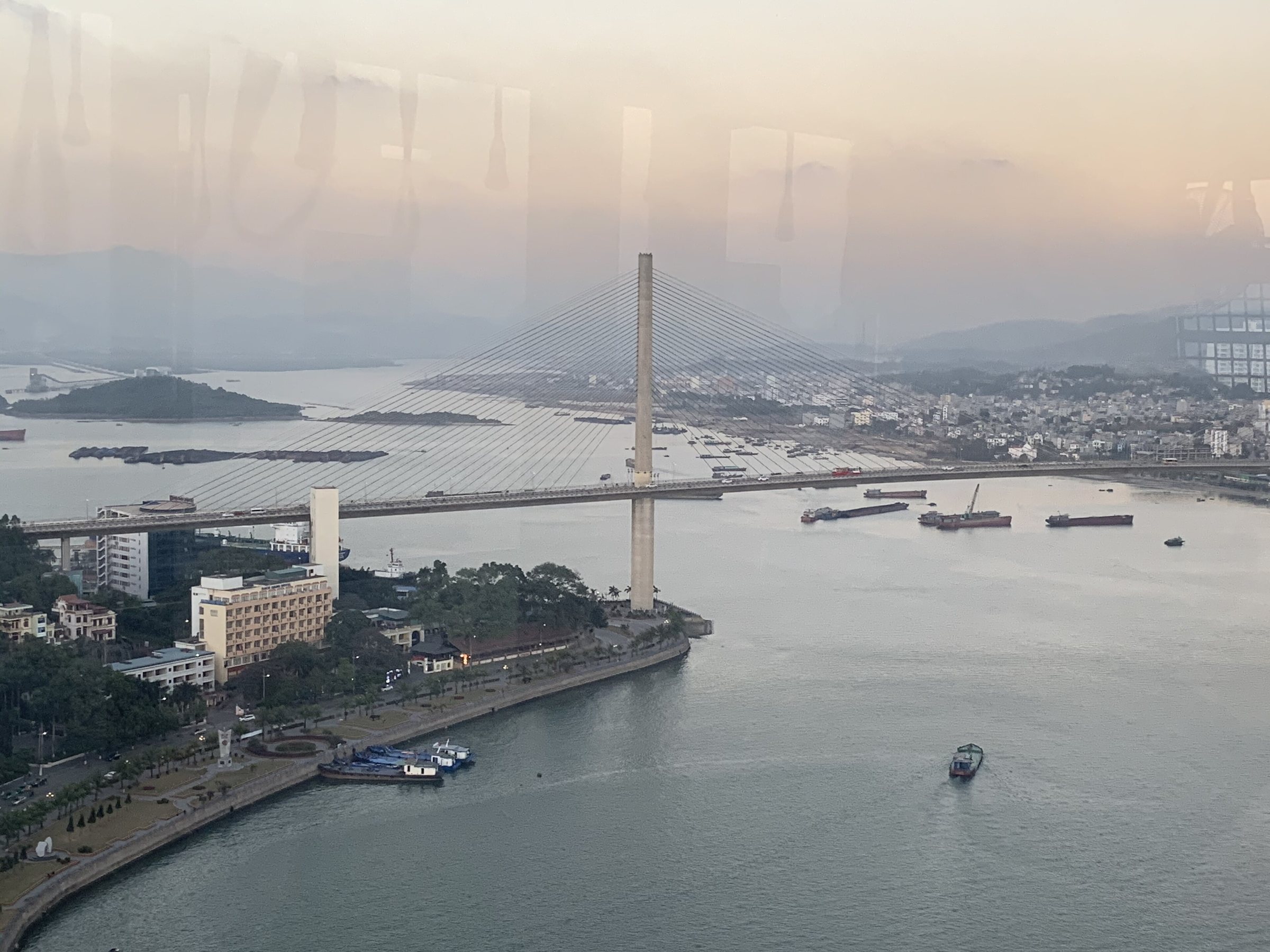
Hanoi to Ha Long Bay
How to get there
165 kmThe expressway cut this to about two hours; most cruise bookings include a transfer, so check before booking transport separately.
| Option | Typical time | How often | What it is like | Best for | Tariffa |
|---|---|---|---|---|---|
| Bus Expressway limousine van | 2–2.5 hours | Frequent | 9-seat van, hotel pickup | Independent travellers | not verified |
| Transfer Cruise-operator shuttle | 2.5–3 hours | Timed to cruise departures | Coach or van | Anyone on an overnight cruise — usually already included | not verified |
| Car Private car | 2–2.5 hours | On demand | Door to door | Groups and tight cruise connections | not verified |
Times are typical door-to-door ranges, not a timetable, and they move with traffic, weather and season. A fare is shown only where we have checked it against a published source on the date given; everywhere else it says so rather than guessing. Confirm both with the operator before you book.
Options last reviewed: 2026-09-03
The route
The road between Hanoi and Ha Long Bay runs 165 km and follows the Hanoi–Hai Phong–Ha Long expressway for the majority of its length. Before the expressway opened, the journey regularly took four hours or more; it now takes two to two and a half hours under normal conditions. The destination for most travellers is Tuan Chau Island Harbour or Hon Gai International Cruise Port — the two main embarkation points for bay cruises — rather than Ha Long city centre itself. Knowing which pier your cruise departs from before you arrange transport saves significant confusion on arrival.
Expressway limousine van
Shared nine-seat limousine vans are the standard choice for independent travellers who have not booked an overnight cruise or who are arriving separately from a travel companion on a cruise. Operators run frequent departures throughout the morning and early afternoon, timed loosely around cruise check-in windows. Most offer hotel pickup from central Hanoi, which is their main practical advantage over any bus option.
The vans are air-conditioned and the seat count is kept low enough that passengers are not squeezed together, though legroom varies by vehicle. Journey time lengthens during public holidays — Tết, the April reunification period and the September national day weekend see heavy traffic on the expressway — and early-morning departures are generally the most reliable. Booking through accommodation or a reputable app is straightforward; confirm the pickup address carefully, as drivers sometimes wait at a nearby landmark rather than the hotel entrance.
Cruise-operator shuttle
The large majority of overnight cruise operators include a Hanoi–Ha Long transfer as part of the cruise package, running a dedicated coach or van timed to their own boarding schedule. Passengers are typically collected from a fixed meeting point in Hanoi's Old Quarter or from their hotel if the operator offers that option.
The main thing that goes wrong with this arrangement is a mismatch of expectations: travellers sometimes book transport separately without realising a transfer is already included, paying twice. Check the cruise confirmation paperwork before arranging anything independently. Cruise shuttles may make multiple pickup stops across Hanoi, which adds time at the city end; the 2.5–3 hour estimate for this option partly reflects that. Operators generally provide a phone number for the local guide who manages the transfer — save it before departure day.
Private car
A private car offers door-to-door service without intermediate stops and is well suited to groups, families travelling with young children, or anyone with a tight boarding window. Hotels in Hanoi and local agencies can arrange a car with a fixed-price agreement made in advance; the driver will typically wait at the pier for a return transfer if required.
The journey time by private car is comparable to a limousine van on the same expressway, and the route itself is identical. The practical difference is flexibility: the car leaves when the passenger is ready and goes directly to the nominated pier rather than a shared drop-off point. For travellers connecting to a cruise on a specific departure time, the predictability is the main argument in favour of this option over a shared van.
Hanoi departure points
Limousine van operators typically have a small office or pick-up cluster around the Old Quarter, particularly near Dinh Le and Luong Ngoc Quyen streets, though hotel pickup removes the need to go there. There is no single central bus station serving Ha Long Bay routes the way Giap Bat or My Dinh serve other long-distance corridors — the van and private-car market has filled that gap almost entirely. Cruise operators using a group coach tend to give a fixed meeting-point address rather than a station name; this is typically a hotel lobby or a car park on the edge of the Old Quarter.
Allow time for Hanoi traffic, particularly between 07:00 and 09:00 on weekday mornings when the route from the centre to the expressway on-ramp passes through congested streets.
Arrival at Ha Long Bay
The two main piers serve different cruise fleets and are not interchangeable. Tuan Chau Harbour handles a large proportion of the traditional junk-style and mid-range cruise vessels; Hon Gai International Cruise Port, which opened in 2018, serves newer and larger ships. Some operators use smaller private piers along the bay shoreline. Confirm the correct pier name and address with your cruise or tour operator before departure from Hanoi — arriving at the wrong pier with a boarding window of thirty minutes is a common and avoidable problem.
There is no train or scheduled public ferry service between Hanoi and Ha Long Bay that offers a practical alternative to road transport for the overland leg. Helicopter transfers exist and are operated commercially but are outside the range of typical travel budgets and are a separate, specialist product.
Seasonal and practical notes
Prices vary by season, and demand peaks during Vietnamese public holidays and the October–April dry season when cruise bookings are highest. During these periods, limousine vans can sell out on popular morning slots, and booking a day or more in advance is advisable rather than arranging transport on the day of departure.
Motion sickness is occasionally an issue on the van journey — the expressway is smooth, but some sections of access road near Ha Long involve tighter curves. The return journey from Ha Long Bay to Hanoi operates on the same options and can usually be arranged through the cruise operator or the same van company used for the outbound leg.
Connects
Citato da
Fonti
- Ministry of Transport — Ministry of Transport of Vietnam consultato 29 August 2026
Supports: the rules and definitions on this page - Vietnam National Authority of Tourism — VNAT consultato 29 August 2026
Supports: the rules and definitions on this page
Ageing Ultima verifica: 3 September 2026. Rules, fares and prices change — check the official source before acting on anything here. Report a mistake.
Picture credits (1)
Bãi Cháy Bridge from Ha Long Queen Cable Car (49373501376), Martin Lewison from Forest Hills, NY, U.S.A., CC BY 2.0, Wikimedia Commons