Hanoi to Hai Phong and Ha Long busesXe khách Hà Nội – Hải Phòng – Hạ Long
Bus and minivan services between Hanoi, Hai Phong and Ha Long Bay run frequently throughout the day, operated by a range of competing private companies. The opening of the CT04 and CT05 expressways has made these among the most straightforward intercity journeys in northern Vietnam, with the road largely bypassing the congested older national highways.
Typical journey times
| Journey | Typical time | How often | Notes |
|---|---|---|---|
| Bus Hanoi → Hai Phong | 2 – 2h 30m | Very frequent | On the CT04 expressway. |
| Bus Hanoi → Ha Long | 2 – 2h 30m | Very frequent | Limousine vans do Old Quarter pickups. |
| Bus Hai Phong → Ha Long | 1 – 1h 30m | Frequent |
Typical door-to-door ranges, not a timetable. Road times move with traffic and weather, and sea crossings are cancelled outright in rough conditions — confirm with the operator on the day. Last reviewed: 2026-09-10.
The expressway corridor
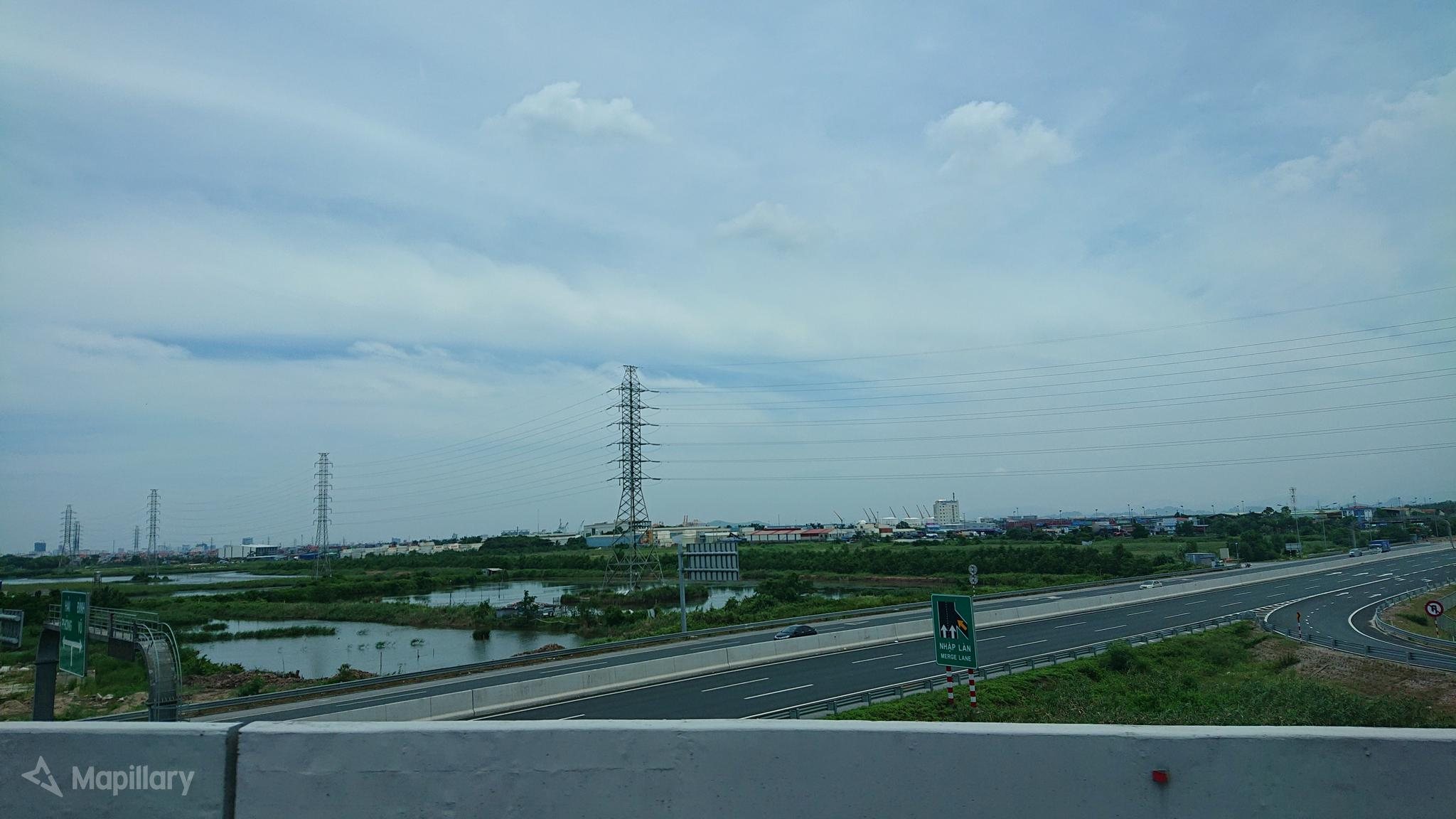
The CT04 expressway links Hanoi's eastern periphery to Hai Phong, while CT05 continues the high-speed corridor northward toward Ha Long. Together they form a largely uninterrupted limited-access road through the Red River Delta, reducing what was once a slow and stop-heavy journey into a trip typically measured at two to two-and-a-half hours under normal traffic conditions. The route passes through flat delta farmland and crosses several river channels before the landscape shifts toward the limestone karst of Ha Long Bay. Traffic on the expressway can slow significantly during public holidays, particularly Tết and National Day, when large numbers of people move between Hanoi and the coast.
Vehicle types: limousine minivan versus standard coach
Two distinct vehicle formats operate on these routes, and the difference is meaningful for comfort and convenience.
- Limousine minivans typically seat nine passengers in reclining or semi-flat seats arranged in rows of two or three. Legroom is generous relative to a standard coach, air conditioning is consistent, and Wi-Fi is commonly offered. Because the vehicle is small, it fills quickly and departs on a fixed schedule rather than waiting for a full load.
- Standard coaches are full-sized buses, often 29- to 45-seat vehicles. They are the cheaper option and tend to depart from fixed bus terminals rather than from hotel doors. Seats are upright, luggage storage is in the hold beneath the bus, and journey times are nominally the same but can vary more with loading stops.
Neither format is universally superior; the choice depends on budget, the amount of luggage being carried, and how much the convenience of hotel pickup matters.
Hotel pickup and the limousine model
Several operators running the Hanoi–Hai Phong and Hanoi–Ha Long routes offer door-to-door pickup from hotels in Hanoi's Old Quarter and surrounding central districts. A driver in a smaller transfer vehicle collects passengers from the hotel lobby and brings them to a consolidation point, where they board the waiting minivan. Drop-off at the destination end is typically at a fixed terminal or a small number of set points in the city centre rather than at individual hotels, though this varies by operator. Passengers should confirm the exact pickup and drop-off arrangements when booking, as practices differ. Pickup is generally arranged the evening before, with the operator or a booking platform confirming a time window.
Bus stations and terminals
Standard coaches serving Hai Phong typically depart from Gia Lam bus station on Hanoi's eastern side, which is the logical gateway for routes heading toward the coast. Some services also operate from My Dinh bus station in western Hanoi, though this is less common for eastern destinations. In Hai Phong, the main intercity terminal is Lac Long bus station. For Ha Long, coaches generally terminate at Bai Chay bus station, which sits close to the tourist harbour area. Limousine operators bypass these large terminals entirely, using private offices or the hotel-pickup model described above. Travellers arriving by standard coach at Bai Chay will need onward transport — motorbike taxis, taxis or ride-hailing apps — to reach piers or accommodation.
Booking
Tickets can be bought at the bus station on the day of travel, though this carries the risk of a full vehicle, particularly at weekends. Online booking through Vietnamese transport aggregator apps — Vexere and Baolau are the most widely used — allows seat selection and advance purchase. Both platforms list multiple operators on the same route, making it possible to compare departure times and vehicle types. Operator websites and Facebook pages are also used for direct booking, especially by the limousine companies. Payment methods accepted vary; some platforms support international credit cards, while others require a Vietnamese bank transfer or cash on collection. The question of whether a single through-ticket from Hanoi to Ha Long via Hai Phong is bookable on any one platform is unsettled — it is more common to treat the legs as separate journeys.
When to travel
The expressway operates year-round. Demand is highest from May through August, when domestic and international visitors travel to Ha Long Bay during the summer holiday season. During this period, morning departures fill quickly and advance booking is advisable. The weeks around Tết (late January or February) see the highest demand in the Hanoi-to-coast direction before the holiday and the reverse afterward. Typhoon season, which runs roughly from July to November in the northeast, can occasionally disrupt sea activities at Ha Long without affecting road travel, though severe weather events are rare on the expressway itself. Winter travel, from November to March, brings cooler temperatures and lighter tourist traffic, though Ha Long Bay can be overcast.
Also known as / see also
Melayani
Dirujuk oleh
Các nguồn
- Ministry of Transport — Ministry of Transport of Vietnam đã truy cập 29 August 2026
Supports: carried over from the first build - Vietnam National Authority of Tourism — VNAT đã truy cập 29 August 2026
Supports: carried over from the first build
Ageing Terakhir diverifikasi: 29 August 2026. Rules, fares and prices change — check the official source before acting on anything here. Report a mistake.
Picture credits (1)
Hanoi-Haiphong Expressway interchange 1, alllenwang, CC BY-SA 4.0, Wikimedia Commons