North Central CoastBắc Trung Bộ
A long coastal strip between Thanh Hoa and Thua Thien-Hue, known for imperial history, UNESCO sites, and a distinct and sometimes challenging climate.
What the Region Is
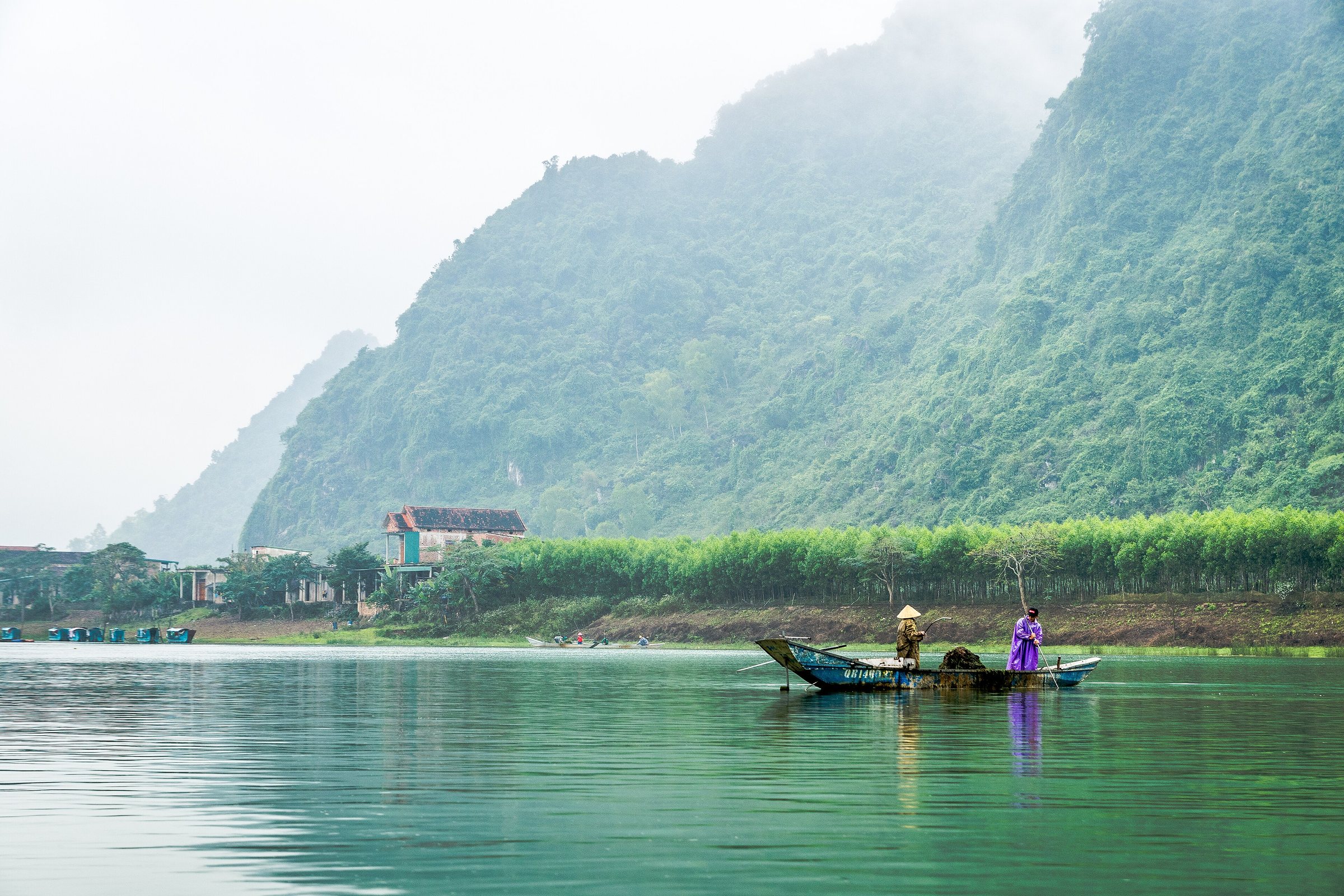
The North Central Coast — Bắc Trung Bộ in Vietnamese — runs roughly from Thanh Hoa province in the north to Thua Thien-Hue in the south, forming the upper portion of Vietnam's long central spine. It is a geographically constrained strip: the Truong Son mountain range presses close to the sea for much of its length, leaving a narrow coastal plain. The Hai Van Pass, south of Hue, is the traditional natural boundary separating this sub-region from the South Central Coast.
Administratively, the region is not a formal unit of government. Following Vietnam's provincial consolidation on 1 July 2025, the country moved to a two-tier province-and-commune system with 34 provincial-level units. The concept of Bắc Trung Bộ persists as a recognised geographic and cultural designation rather than an administrative one.
Provinces conventionally grouped here include Thanh Hoa, Nghe An, Ha Tinh, Quang Binh, Quang Tri, and Thua Thien-Hue, though the exact grouping varies by source.
What the Region Is Known For
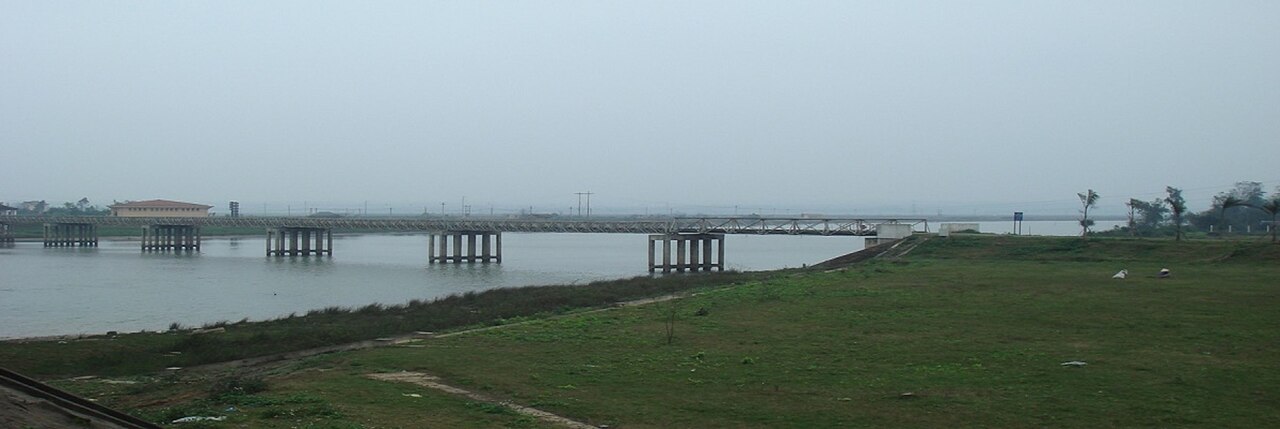
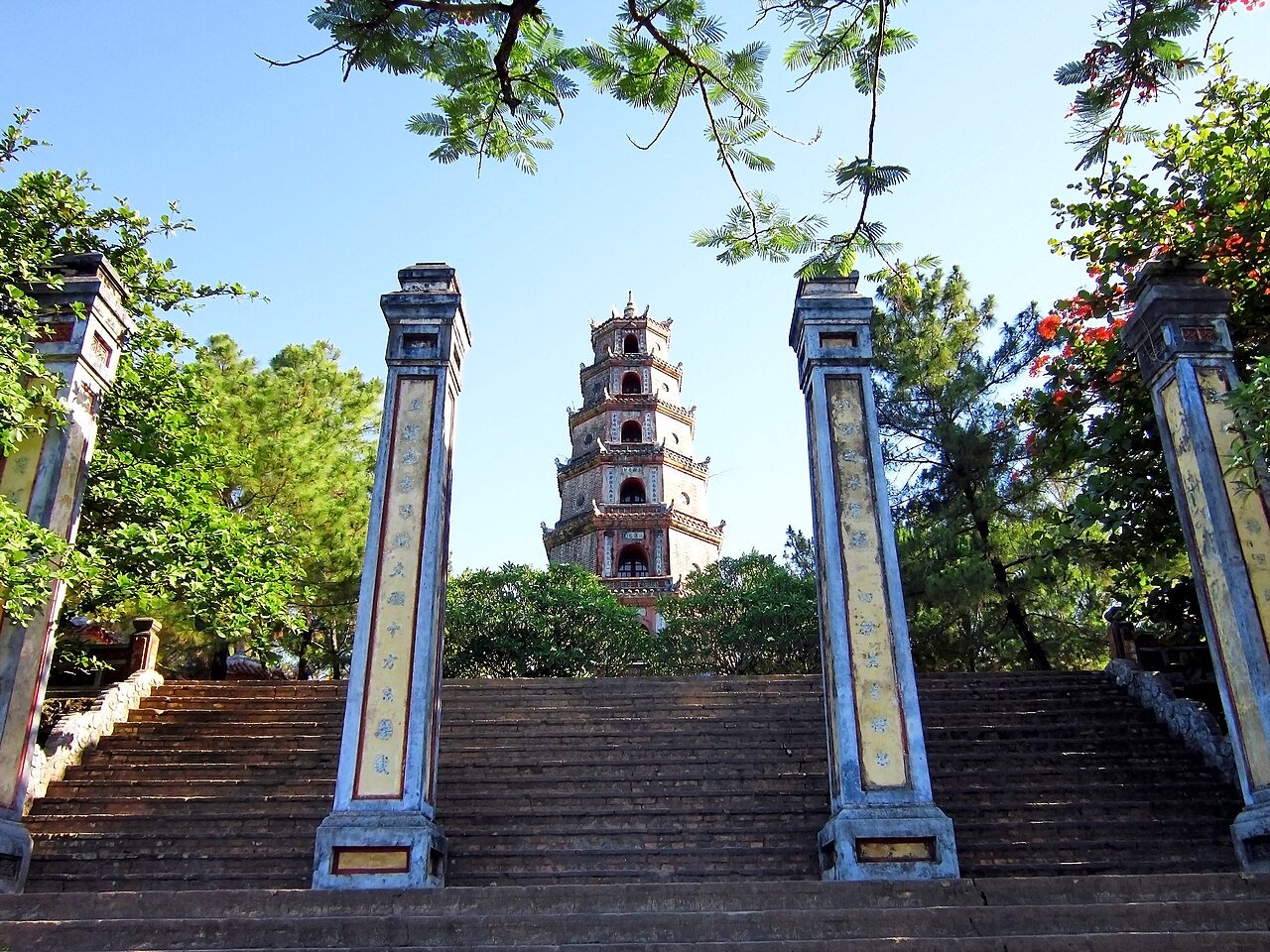
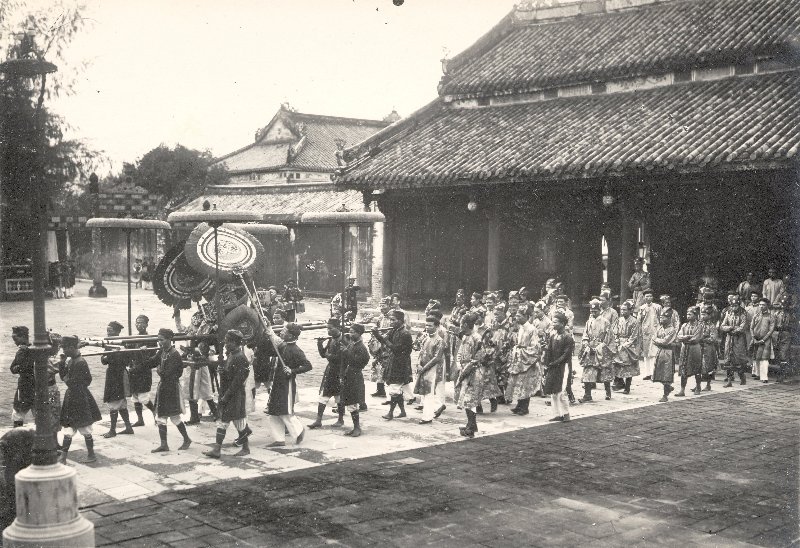
The North Central Coast carries unusual historical weight relative to its size. Hue served as the imperial capital of the Nguyen dynasty from 1802 until 1945, and its citadel, royal tombs, and Thien Mu Pagoda form a UNESCO World Heritage Site. The Demilitarized Zone (DMZ), straddling the former border between North and South Vietnam near the 17th parallel, draws visitors to sites including the Vinh Moc tunnels and the Hien Luong Bridge over the Ben Hai River.
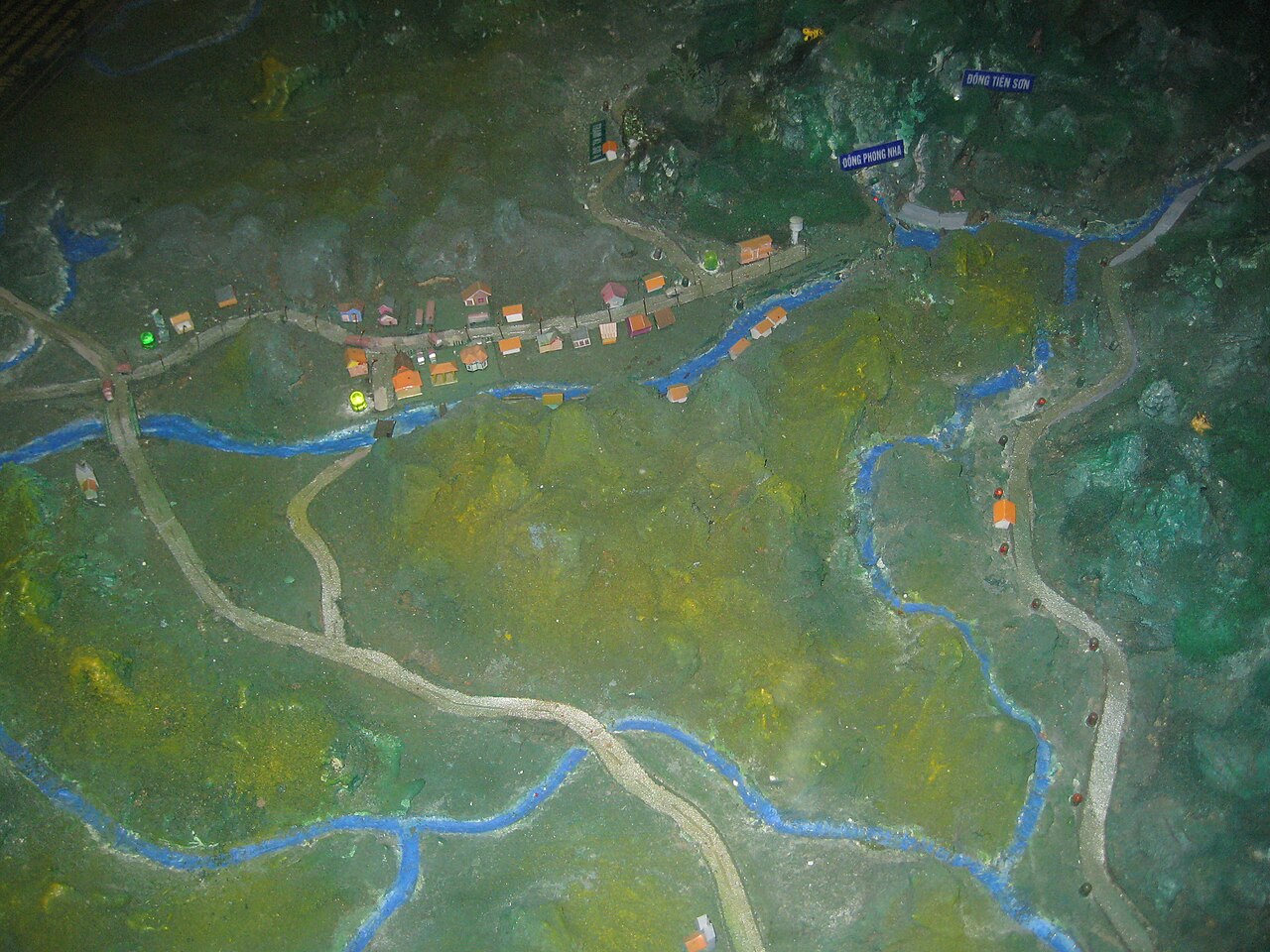
Phong Nha-Ke Bang National Park in Quang Binh is a second UNESCO World Heritage Site, containing some of the world's largest cave systems. Son Doong Cave, surveyed in full only in 2009, is the largest known cave passage on Earth by cross-section. Hang En, Hang Tien, and the Tu Lan cave system attract a range of expedition types.
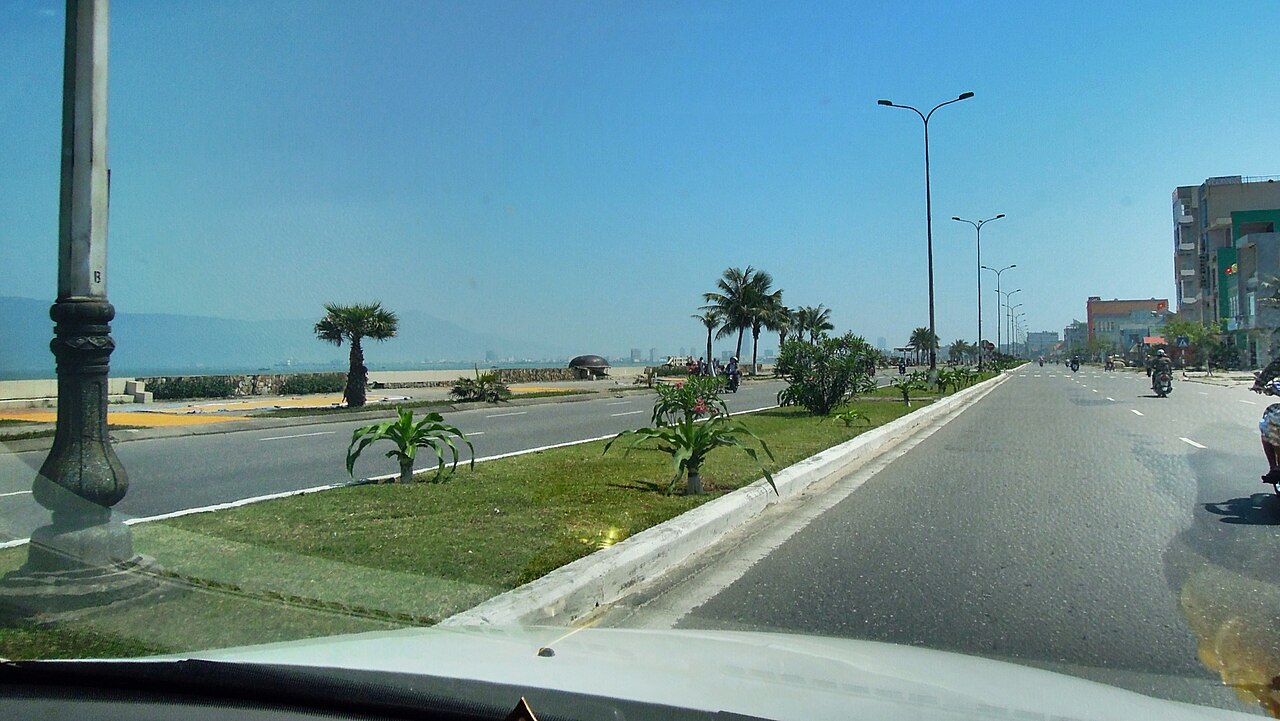
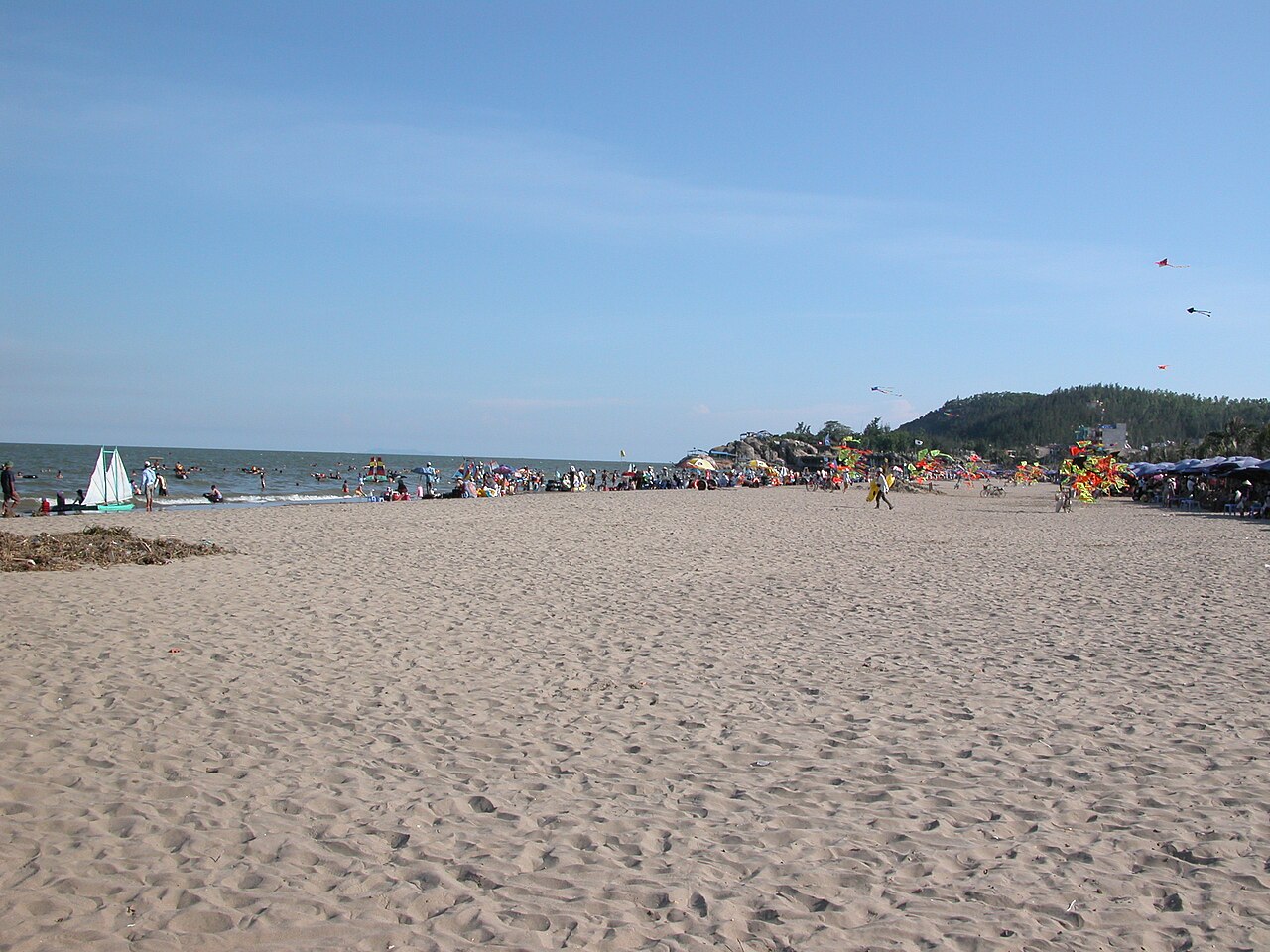
The coast offers long beaches at Lang Co, Thuan An, and Cua Lo, and the region produced two of Vietnam's most significant twentieth-century figures: Ho Chi Minh was born in Nghe An, and General Vo Nguyen Giap in Quang Binh.
Climate and When to Go
The climate of the North Central Coast is one of the more complicated in Vietnam and frequently surprises visitors accustomed to the country's northern or southern weather patterns. The region sits in a transitional zone where the Truong Son range blocks and deflects monsoon systems differently from the rest of the country.
The wet season here runs roughly from September to January, which is the inverse of the south and out of step with the north. Typhoons are a real seasonal risk between September and November. October and November can bring prolonged heavy rain and flooding, particularly in low-lying areas around Hue and along river valleys. The period from February to August is generally drier and sunnier, with temperatures rising sharply in April through August when a hot, dry westerly wind — the gió Lào, or Laotian wind — blows down from the mountains and can make conditions harsh in inland areas.
The months of February, March, and early April offer relatively stable, mild conditions. Cave expeditions in Phong Nha-Ke Bang are typically suspended during the wet season when passages flood.
Getting There and Around
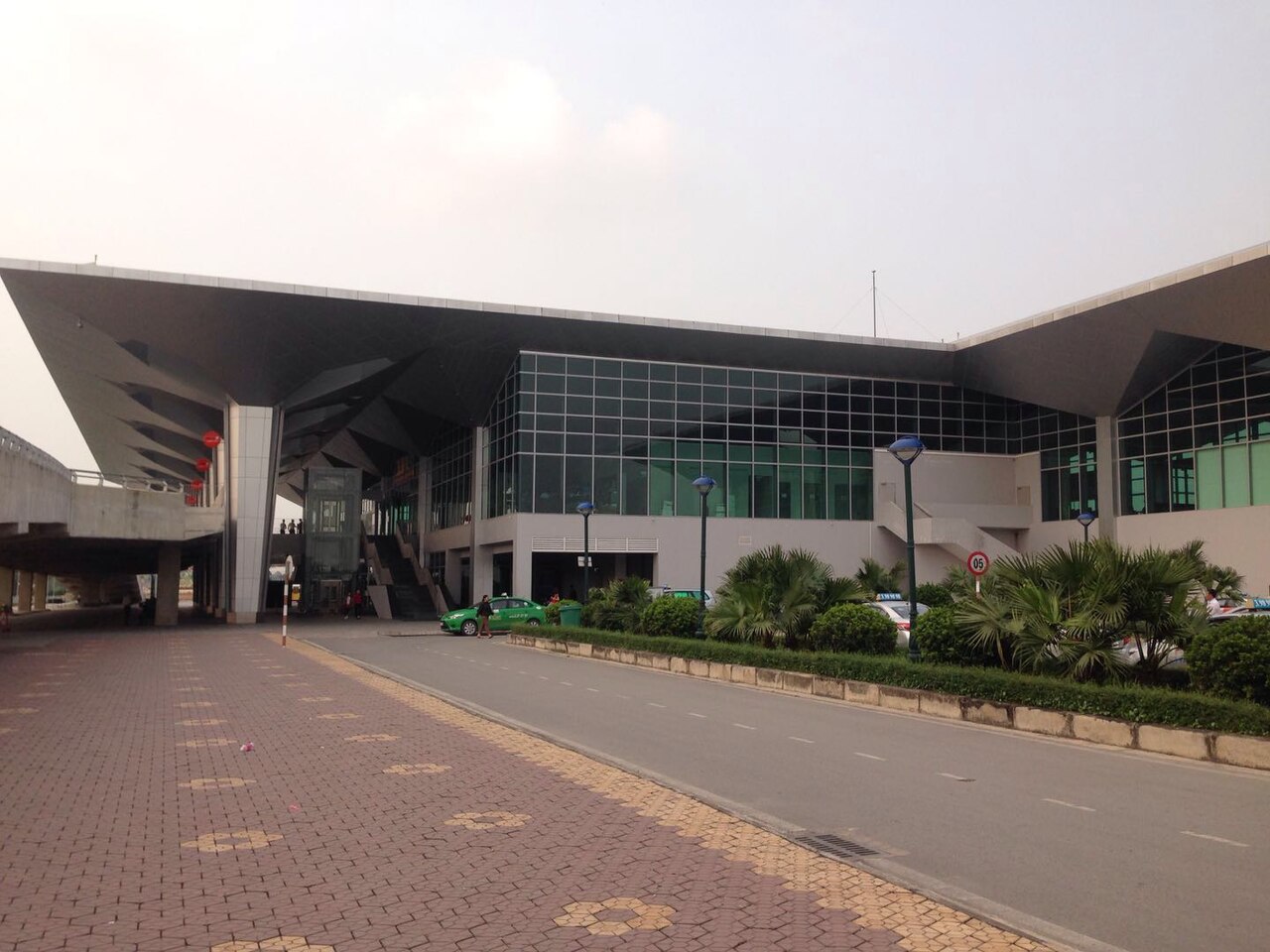
Hue has Phu Bai International Airport, which receives domestic flights from Hanoi and Ho Chi Minh City, and some regional international connections. Dong Hoi Airport in Quang Binh serves routes to the same major cities and is the practical air gateway for Phong Nha. Vinh Airport in Nghe An handles domestic traffic.
The Reunification Express railway runs the full length of the region, connecting Hanoi in the north and Da Nang and beyond to the south. Stations at Thanh Hoa, Vinh, Dong Hoi, Dong Ha, and Hue all sit on this line. Journey times are long by distance — the terrain and track curvature keep speeds moderate — but the route through the Hai Van Pass is among the more scenic sections of the entire line.
National Highway 1 parallels the coast and carries both bus services and private vehicles. The Ho Chi Minh Highway (Highway 15/Ho Chi Minh Road) runs inland through the mountains and is a quieter alternative, passing closer to the DMZ sites and Phong Nha. Within the region, travel between provinces requires either a domestic flight, a train leg, or a road journey; no single hub gives easy access to all points.
Areas and What They Offer
Hue is the region's main urban destination, with the highest concentration of heritage sites, accommodation options, and culinary reputation. Hue's cuisine — featuring dishes such as bún bò Huế, bánh khoái, and the elaborate royal court cooking tradition — is considered one of the most distinct regional food cultures in Vietnam.
Phong Nha town has grown as a base for cave tourism in Quang Binh. Access to the more demanding cave systems requires licensed tour operators; Son Doong permits are limited in number and issued by a single licensed operator under government agreement.
The DMZ corridor around Dong Ha and Quang Tri sees visitors on day or multi-day circuits, often self-guided by motorbike or on organised tours from Hue. Quang Tri Citadel, site of intense fighting in 1972, and Khe Sanh Combat Base are among the principal sites.
Vinh and Thanh Hoa in the north of the region are primarily transit and commercial cities rather than leisure destinations, though Nghe An's connection to Ho Chi Minh's birthplace at Kim Lien village attracts domestic visitors in particular.
Common Misunderstandings
The most consequential error first-time visitors make is assuming the North Central Coast shares the weather pattern of either Hanoi or Da Nang. Arriving in October or November expecting dry conditions, as one might find in the south, can result in disrupted plans: flooding has cut roads around Hue and cancelled boat tours in Phong Nha during these months. Checking provincial weather forecasts separately, rather than relying on a general Vietnam weather summary, is advisable.
Visitors also underestimate distances along the coast. The region spans roughly 600 kilometres from Thanh Hoa to the Hai Van Pass; travelling between its northernmost and southernmost points by land takes the better part of a day even under good conditions.
Cave access at Phong Nha-Ke Bang is more restricted than it may appear online. Several major cave systems require multi-day expeditions booked well in advance, and some have annual booking queues. The publicly accessible Paradise Cave and Phong Nha Cave by boat are separate, easier options that do not require advance expedition permits.
Finally, the gió Lào wind is sometimes not mentioned in popular travel writing. Between roughly May and August it can push temperatures inland to uncomfortable levels and create dry, dusty conditions quite different from the coastal image the region projects.
Where to go in the North Central Coast
5 地点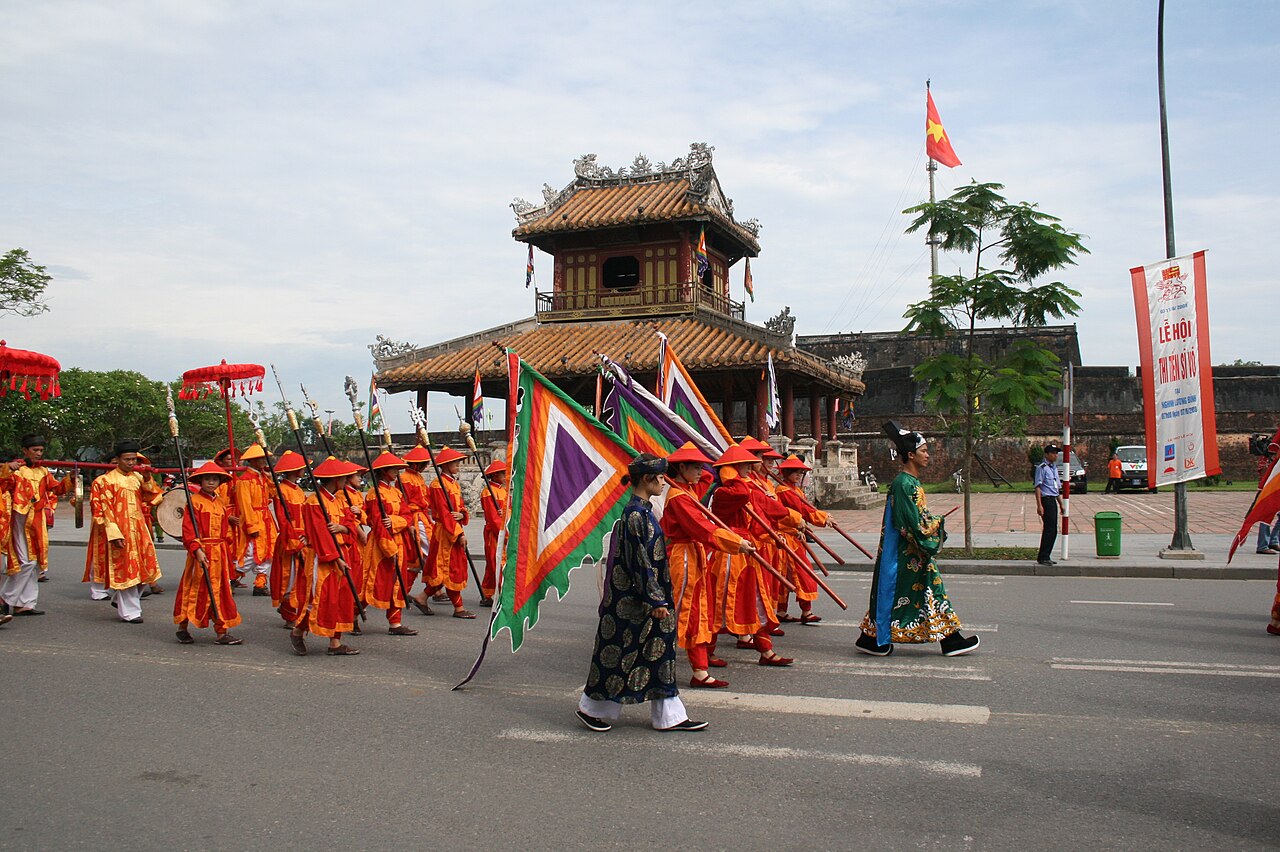 Destination
HueHuế
Nguyen dynasty citadel, royal tombs, Perfume River
 Destination
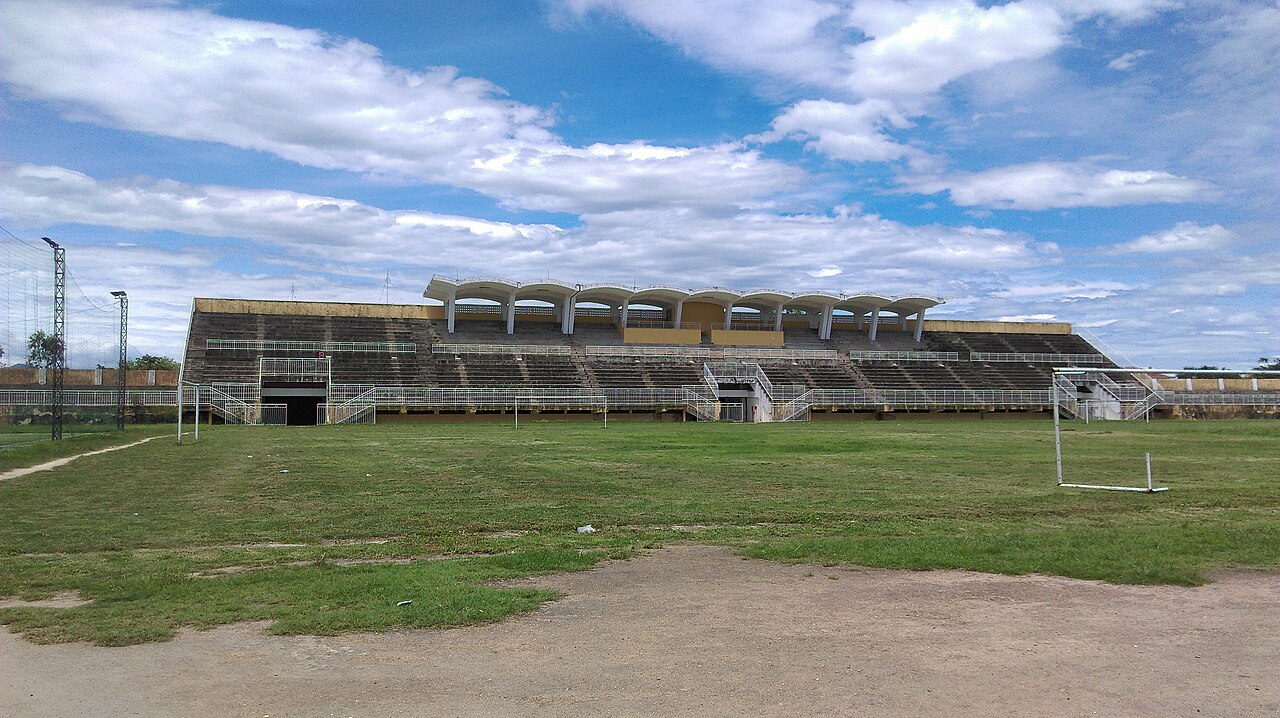
Dong HoiĐồng Hới
Coastal town and gateway to Phong Nha
 Destination
Sam SonSầm Sơn
Domestic beach resort north of the central coast
 National Park
Phong Nha-Ke BangPhong Nha – Kẻ Bàng
World's largest caves, including Son Doong and Paradise Cave
 National Park
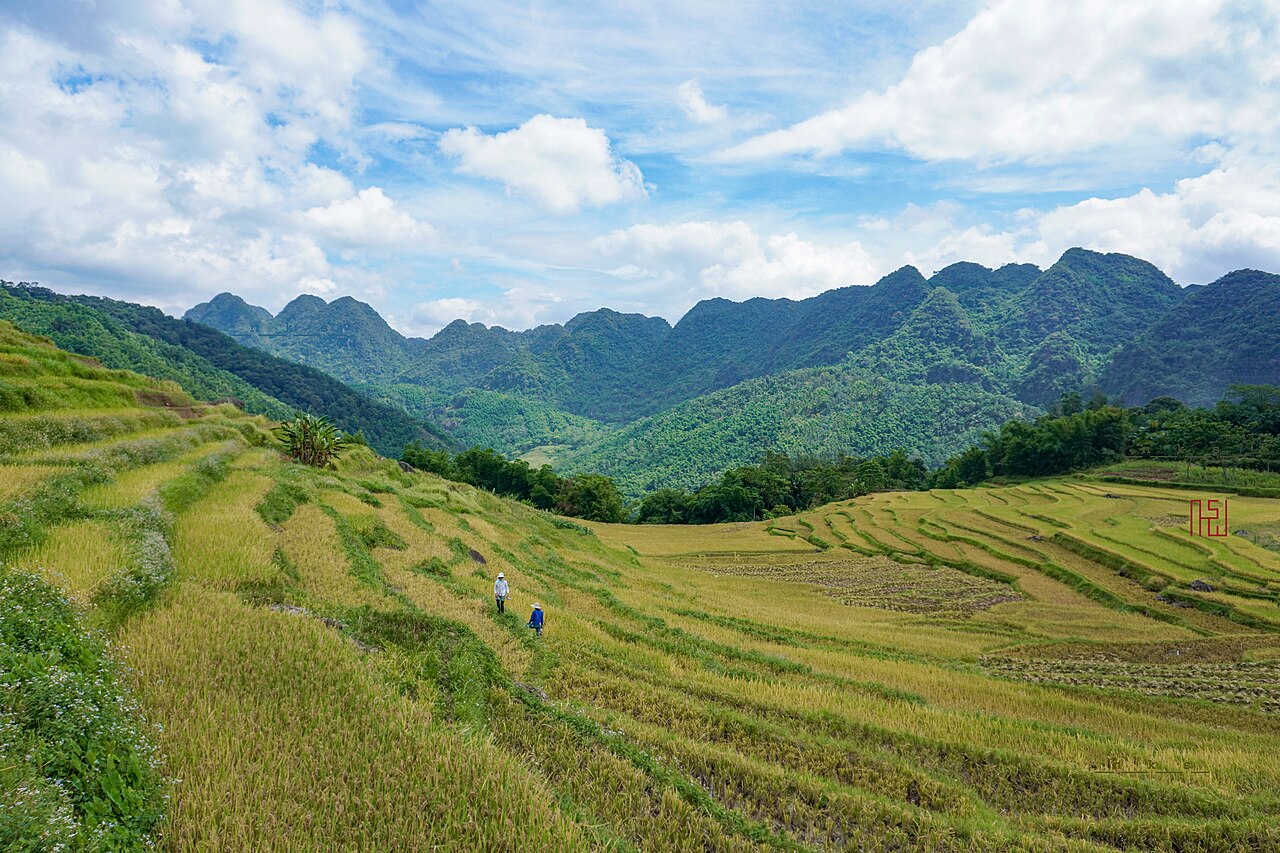
Pu Luong Nature ReserveKhu bảo tồn Pù Luông
Terraced valleys, water wheels, low-key trekking and lodges
The provincial units today
What merged into what →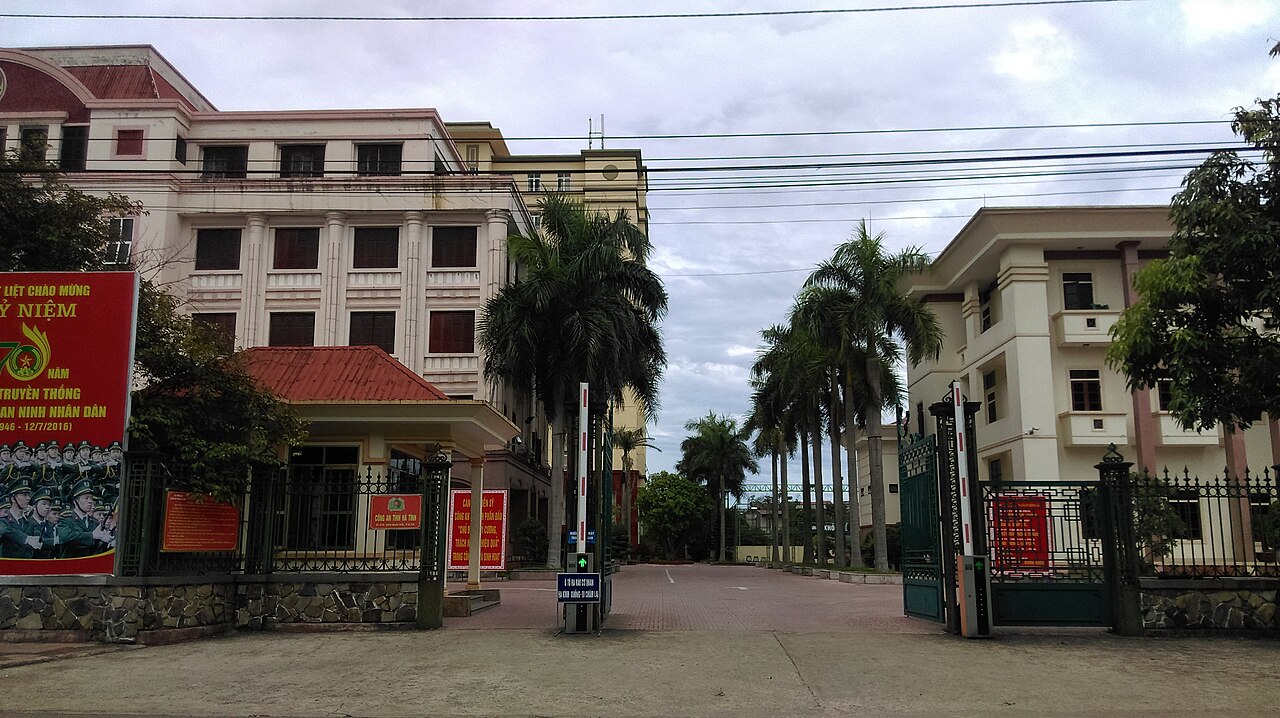 Province
Ha TinhHà Tĩnh
A north-central coastal province known for beaches, Vũ Quang National Park, and a rugged…
 Province
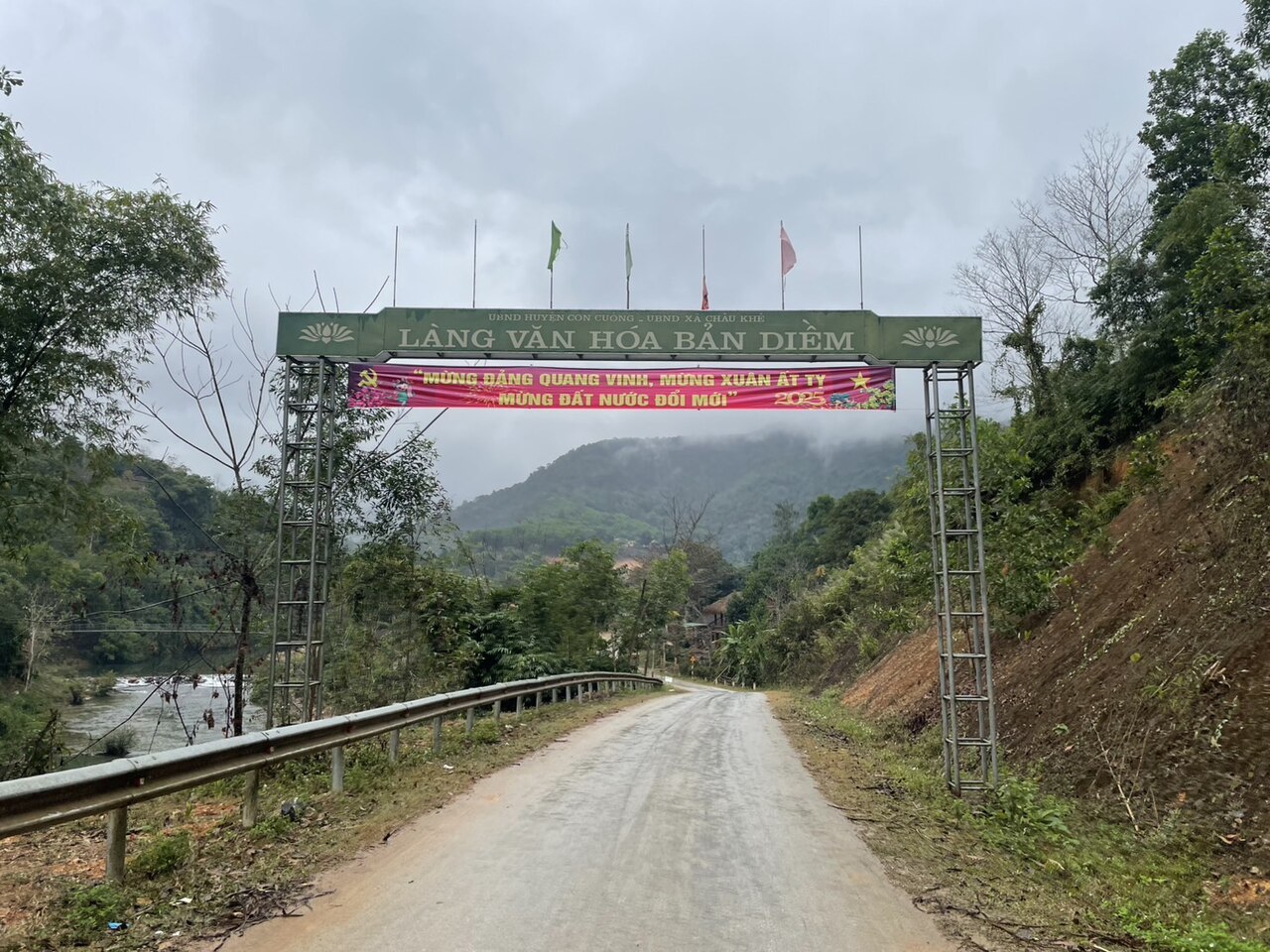
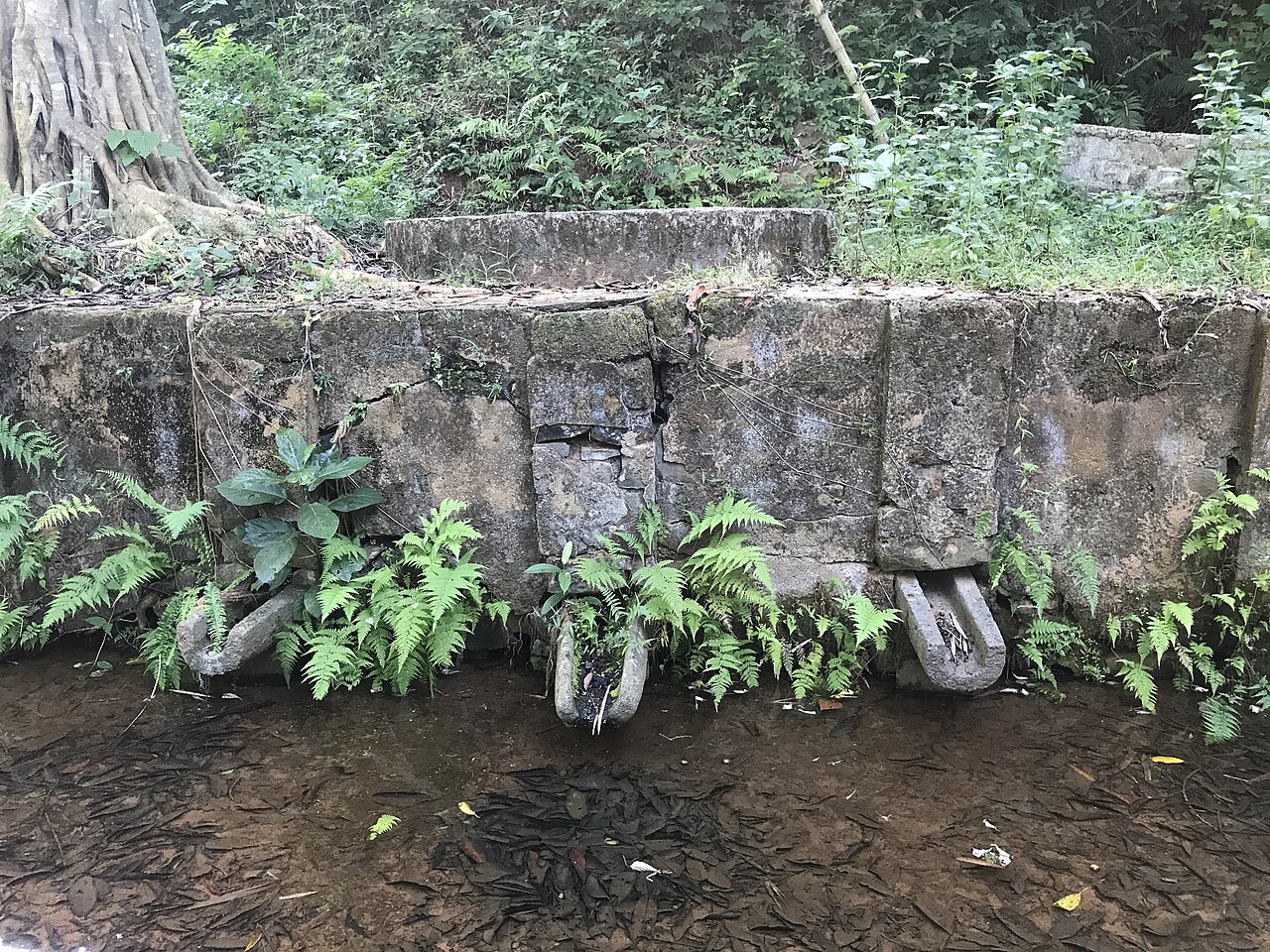
Nghe AnNghệ An
Vietnam's largest province by area, Nghệ An spans coastal plains to Lao border mountains…
 Province
Quang TriQuảng Trị
North-central Vietnamese province known for DMZ war sites, the Hai Van Pass corridor, and…
 Province
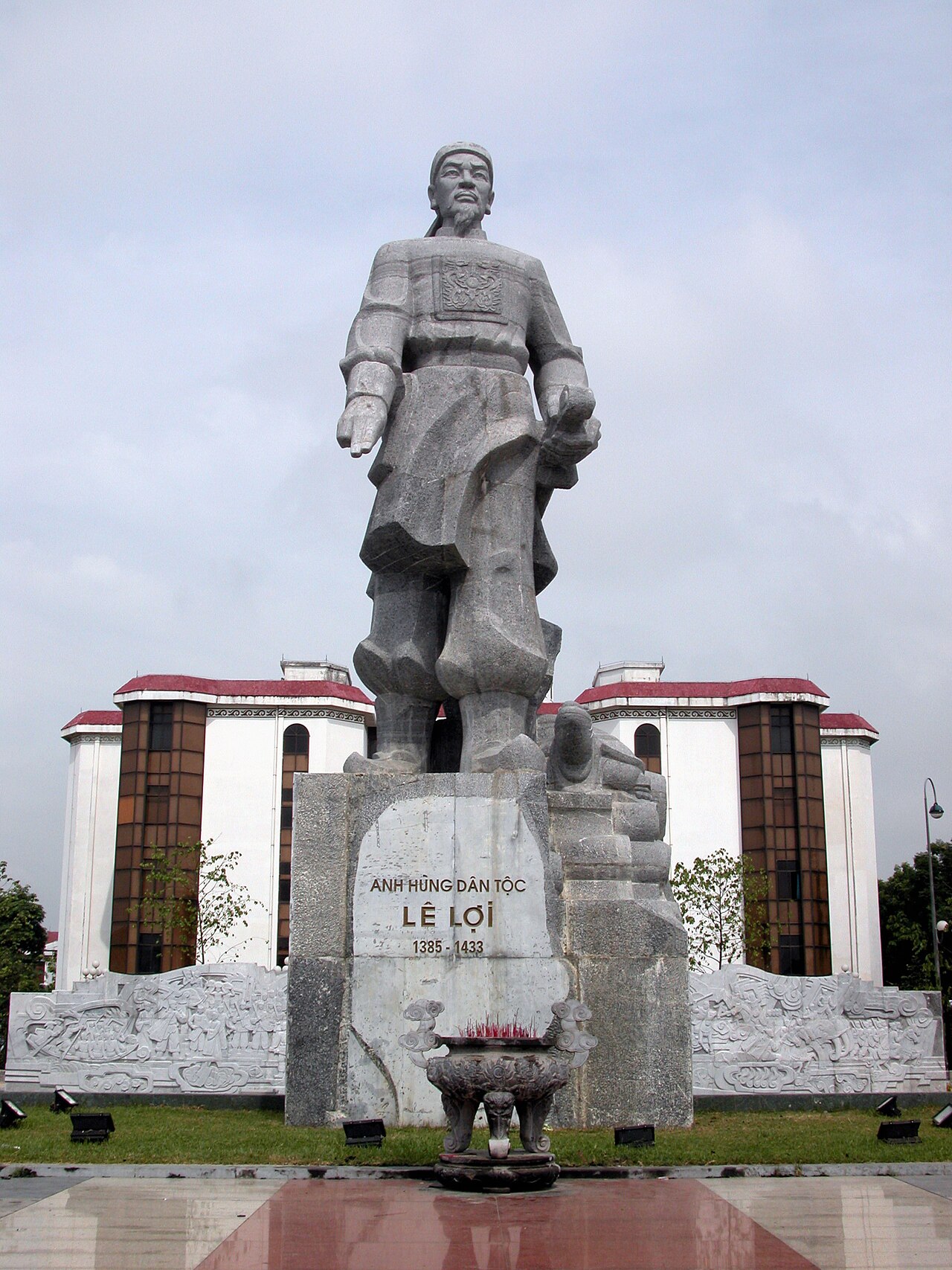
Thanh HoaThanh Hóa
Large north-central province with a coastal plain, forested hills, and historical sites…
旧省份
Merged away in 2025 and kept as pages, because maps, guidebooks and booking sites still use these names.
 原单位
Quang BinhQuảng Bình
Phong Nha-Ke Bang National Park and Son Doong cave are in the former Quang Binh.
 原单位
Huế
Former imperial capital of Vietnam, known for its Nguyễn-dynasty citadel, royal tombs, and…
 原单位
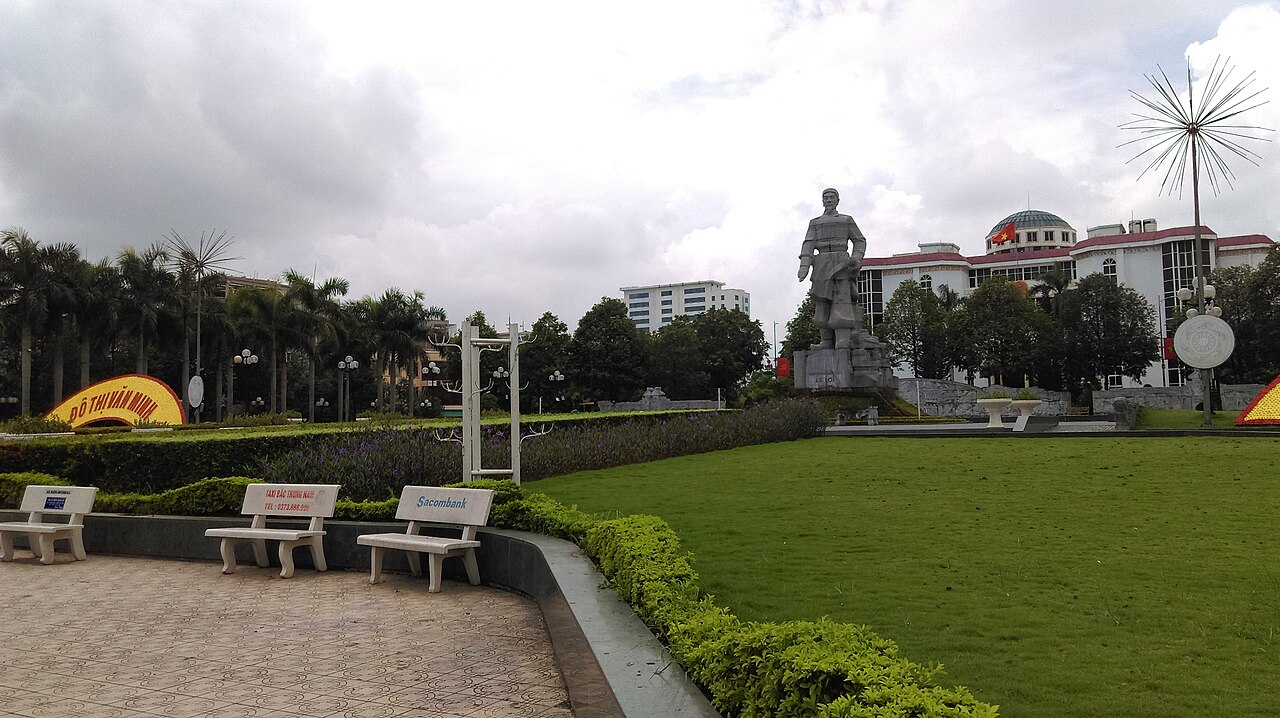
Thanh Hóa
Former provincial city at the heart of north-central Vietnam, absorbed into Thanh Hóa…
 原单位
Vinh
Major north-central city and former provincial capital of Nghe An, known as a transit hub…
Picture credits (19)
Bateau Phong Nha, Preparetavalise.com, CC BY-SA 4.0, Wikimedia Commons · Phong Nha-Kẻ Bảng (2333212545) (cropped), Thang Nguyen from Nottingham, United Kingdom, CC BY-SA 2.0, Wikimedia Commons · Ocean front road, Da Nang, Vietnam (6944568876), David McKelvey from Brisbane, Australia, CC BY 2.0, Wikimedia Commons · Chùa Thiên Mụ ở Huế, Bùi Thụy Đào Nguyên, CC BY-SA 3.0, Wikimedia Commons · Đền thờ thần Độc Cước, Bùi Thụy Đào Nguyên, CC BY-SA 4.0, Wikimedia Commons · Tượng Mẹ Suốt bên sông Nhật Lệ 2, Đồng Hới, Quảng Bình, Linhcandng ( thảo luận ), CC BY-SA 3.0, Wikimedia Commons · Công an tỉnh Hà Tĩnh, Linhcandng ( thảo luận ), CC BY-SA 3.0, Wikimedia Commons · Bản Diềm, Châu Khê, Con Cuông, Nghệ An, KoheiU, CC0, Wikimedia Commons · Giếng Ba Vòi, Thienn, CC BY-SA 4.0, Wikimedia Commons · Le Loi statue, Nguyễn Thanh Quang, CC BY-SA 3.0, Wikimedia Commons · Festival Huế 2008-3, Lưu Ly, Public domain, Wikimedia Commons · Sân Vận động Đồng Hới 2, Quảng Bình, Linhcandng ( thảo luận ), CC BY-SA 3.0, Wikimedia Commons · Bãi biển Sầm Sơn, Nguyễn Thanh Quang, CC BY-SA 4.0, Wikimedia Commons · Phongnhakebang.15, Genghiskhanviet, Public domain, Wikimedia Commons · Ruộng bậc thang Pù Luông 1 - NKS, NKSTTSSHNVN, CC BY-SA 4.0, Wikimedia Commons · BangSpa4, Genghiskhanviet, Public domain, Wikimedia Commons · Enthronement of Emperor Bảo Đại 010, Thanh-Ba, Huế, Vietnam, Public domain, Wikimedia Commons · Tượng đài Lê Lợi, Lam Sơn, Thanh Hóa, Linhcandng ( thảo luận ), CC BY-SA 3.0, Wikimedia Commons · Vinh International Airport, dott. ing. Fabrizio Berloco, CC BY-SA 4.0, Wikimedia Commons