Tipping in VietnamTiền tip
Tipping in Vietnam sits in an unsettled middle ground. It is not a social obligation in the way it is in the United States, and historically most Vietnamese people did not tip one another. However, decades of international tourism have changed expectations in restaurants, hotels, spas and tour operations that cater to foreign visitors. What is considered appropriate varies by context, and no single norm covers every situation.
The cultural background
Vietnam does not have a tradition of tipping embedded in its service culture. In local restaurants, markets and everyday transactions, leaving extra money is neither expected nor common among Vietnamese customers themselves. Refusing a tip or appearing confused by one is not unusual, particularly outside major cities and tourist centres.
That said, tourism has grown substantially over several decades, and workers in international-facing roles — hotel porters, tour guides, spa therapists — have come to associate foreign visitors with gratuities. Whether this constitutes a genuine expectation or a reasonable hope differs from person to person and place to place. The question of what is owed versus what is appreciated remains genuinely unsettled, and travellers encounter a wide range of views on it.
Restaurants and cafés
In local phở shops, street food stalls and neighbourhood eateries, tipping is not expected and rounding up or leaving small change is the most that is common. In mid-range and upmarket restaurants catering to international visitors, tipping is recognised but not enforced.
Service charges: many tourist-oriented restaurants add a service charge — often listed as a percentage on the bill. Whether this reaches the staff directly or is absorbed into general revenue varies by establishment and is rarely disclosed. When a service charge appears, some visitors leave nothing extra; others add a small amount regardless. There is no universally accepted answer.
In casual settings, leaving change on the table is a low-pressure way to express satisfaction without ceremony. In smarter venues, leaving a note in the folder with the bill is common practice among foreign visitors.
Guides and drivers
Tipping tour guides and drivers is the area where expectations are most firmly established among international visitors. Day-trip and multi-day tour operators — particularly those working with travellers from North America, Europe and Australia — operate in an environment where a tip at the end of a tour is widely considered normal.
Guides are often on modest base salaries and rely on gratuities as a meaningful part of their income. The same applies to private drivers hired for day trips or transfers. Group tour leaders, local city guides, boat guides on cruises, and drivers for private hire all fall into this category.
There is no agreed standard amount, and no written rule obliges anyone to tip. The quality of the service, the length of the engagement, and the visitor's own norms are all factors people weigh. What is consistent is that a tip at the end of the day, handed directly and discreetly, is received warmly and causes no awkwardness.
Hotels and accommodation
In international and upmarket hotels, tipping for specific services — a porter carrying bags, housekeeping, a concierge who arranges something involving effort — is recognised practice and follows broadly international norms. Leaving something for housekeeping at the end of a stay, placed visibly with a small note if possible, is considerate given that staff may change daily and collective tipping is uncommon.
In guesthouses, budget accommodation and homestays, there is no expectation of tipping for standard service. If a host has gone significantly beyond the ordinary — arranging a difficult transfer, cooking a meal, providing local guidance — a small gesture is appreciated but entirely voluntary.
Bell staff and porters in larger hotels have more contact with international guests and are more likely to be accustomed to gratuities than staff in other roles.
Spas and wellness services
Tipping for massage and spa treatments is common in Vietnam's tourist-facing wellness industry, and therapists in popular centres — particularly in cities like Hanoi, Ho Chi Minh City, Hội An and Da Nang — are often accustomed to receiving one. Spas that serve a largely international clientele may have a culture where tips supplement modest base wages significantly.
In independent local massage shops away from tourist centres, expectations are less settled. A tip will generally be received gratefully, but its absence causes no offence.
The most straightforward approach is to hand any tip directly to the therapist rather than leaving it at reception, which removes ambiguity about whether it reaches the person who performed the service.
How to tip without awkwardness
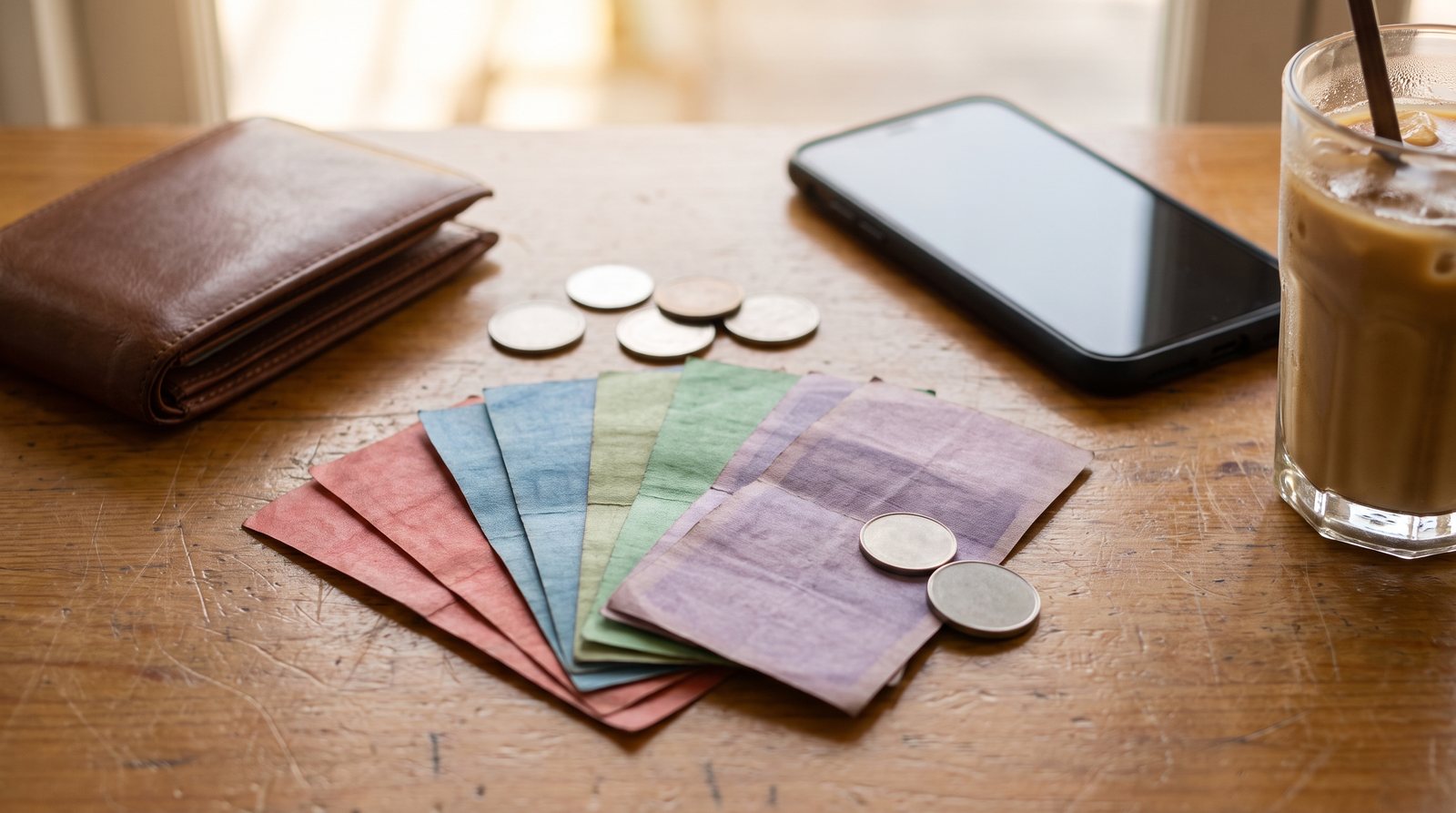
Cash in Vietnamese dong is the practical choice for tipping in almost all situations. Foreign currency is sometimes accepted in tourist areas but creates complications for the recipient when exchanging. Presenting a tip in a small envelope — available cheaply at stationery shops — is appreciated in formal contexts, though entirely optional.
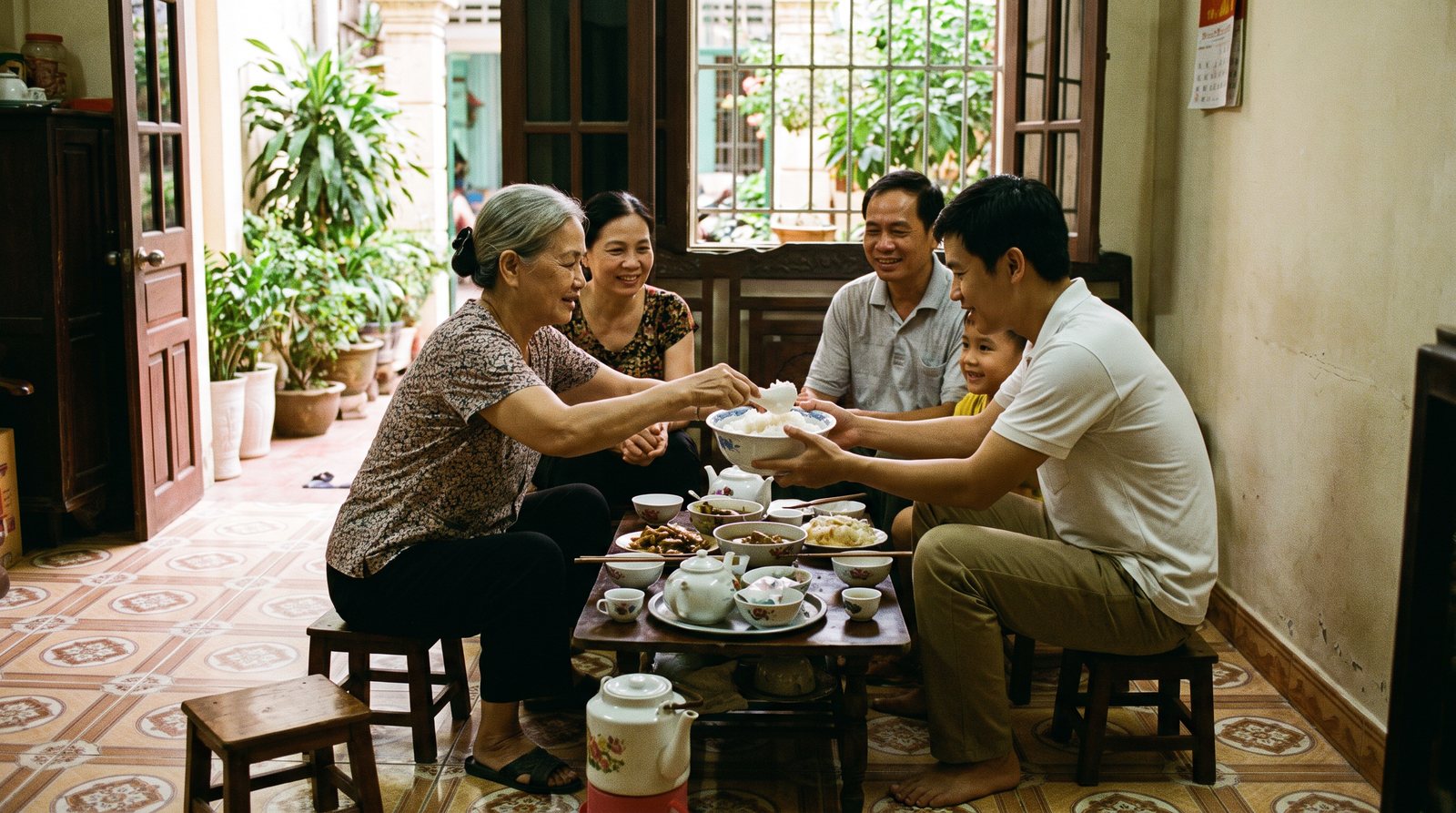
Handing money directly and quietly, with a brief word of thanks, is the standard approach. There is no cultural script around tipping in Vietnam, so a simple, unhurried gesture carries no risk of offence. Counting out coins conspicuously or making a production of the amount, on the other hand, can feel uncomfortable for both parties.
In group tours, some operators include a collective tip envelope at the end, which distributes among guides and drivers. Participating is optional but common among travellers who are satisfied with the service.
If service was genuinely poor, not tipping is within any visitor's prerogative. Unlike in countries with strong tipping norms, withholding a tip in Vietnam does not carry strong social censure.
Pictures of Tipping in Vietnam
Also known as / see also
Referenziert von
Quellen
- Vietnam National Authority of Tourism — VNAT abgerufen 29 August 2026
Supports: carried over from the first build - Tiền boa — Wikipedia (Vietnamese) (CC BY-SA 4.0) abgerufen 29 August 2026
Supports: carried over from the first build
Zuletzt geprüft: 29 August 2026. Rules, fares and prices change — check the official source before acting on anything here. Report a mistake.
Picture credits
- Barfanbar Mountains, Qom Province 07 — Mostafameraji, CC0, Wikimedia Commons
- 'Ise Futamigaura' — Utagawa Hiroshige, Public domain, Wikimedia Commons