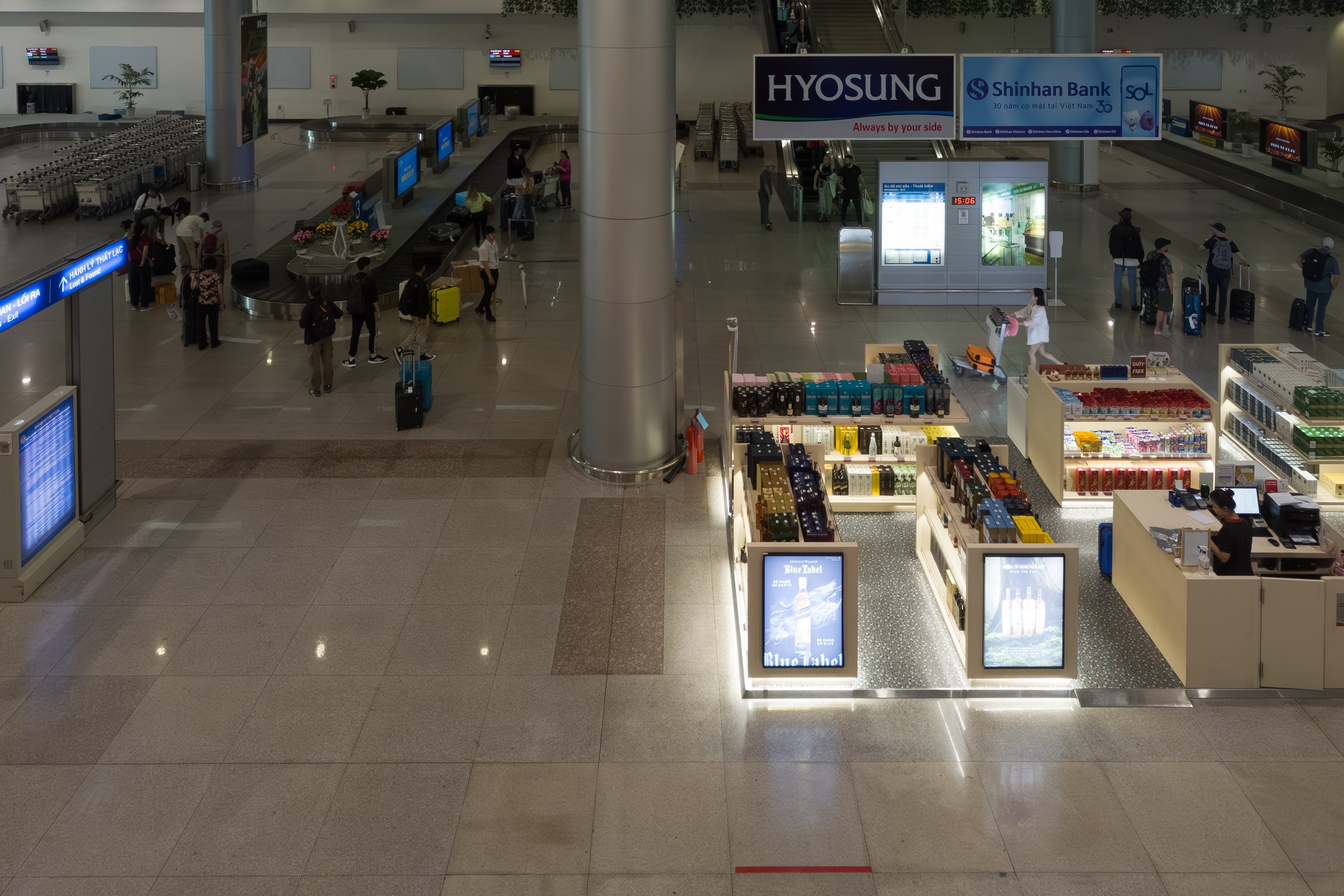
Extending a visa and visa runsGia hạn thị thực
Vietnam's visa extension system sits within a regulatory framework that has shifted repeatedly over recent years, and the practical landscape — particularly around so-called visa runs — continues to evolve. What follows describes how the system works in general terms; travellers and residents should verify current rules with the official immigration authority or a licensed legal adviser before acting.
In-country extensions through immigration
Foreign nationals holding certain visa categories may apply to extend their stay without leaving Vietnam. The application is submitted to the Department of Immigration (Cục Quản lý xuất nhập cảnh), either at a provincial office or, in many cases, through the official online portal. The processing window varies by office and workload; applying well before the visa expiry date — not in the final days — is widely recommended by immigration lawyers.
Not all visa types are extendable, and the number of extensions permitted, as well as the duration each extension may add, differs by visa category. E-visas, tourist visas, and business visas each carry different rules. Applicants are generally required to submit a passport, completed forms, and supporting documents whose precise list depends on the visa class. There is an official fee for the extension; the amount is set by the government and subject to change.
Using an agent
A substantial industry of visa agents — travel agencies, law firms, and specialist services — offers to handle extension paperwork on behalf of applicants. Agents typically charge a service fee on top of the government fee, in exchange for collecting documents, submitting them to immigration, and following up on the result.
Using a licensed, reputable agent reduces the administrative burden and can be useful when language is a barrier or when an applicant cannot easily travel to an immigration office. The trade-off is cost and, in less reputable cases, risk: some operators have historically used informal channels that are not officially sanctioned. Applicants should confirm that any agent is properly registered and should be cautious of services that promise guaranteed approvals or unusually fast turnarounds. The legal responsibility for the accuracy of submitted documents remains with the applicant.
Whether an extension is sought directly or through an agent, the outcome is not guaranteed. Immigration has the discretion to refuse.
Visa runs: the old practice and how it has changed
A visa run — leaving Vietnam briefly and returning on a new entry permission — was for many years a routine workaround for long-term travellers and expatriates on tourist visas. Common destinations included Cambodia, Laos, Thailand and Hong Kong. On re-entry, a traveller could in principle begin a fresh visa period without having applied for a long-term permit.
This practice has become less reliable and, in some respects, less viable. Immigration officers have the discretion to deny entry to travellers who appear to be using repeated short exits as a substitute for a proper long-term visa, and there are documented cases of refusals at the border. Vietnam's e-visa, introduced and expanded from 2023 onward with a 90-day single-entry or multiple-entry term, changed the arithmetic for many nationalities, reducing but not eliminating demand for runs.
Whether a visa run remains a legally and practically sound strategy for any individual depends on their nationality, visa history, and the current regulatory posture — all of which can change. This is an area where the question of what is permitted and what is tolerated in practice has not always had a clear, settled answer.
Overstaying: risks and consequences
Remaining in Vietnam beyond the date stamped in a passport or shown on an e-visa is an overstay. Vietnamese law treats this as an administrative violation, and the consequences increase with the length of the overstay.
At the airport or border crossing on departure, an overstaying traveller will typically be required to pay a fine before being permitted to leave. The fine scale is set by government decree and has been revised at various points; the current schedule should be verified with an official source. Beyond fines, immigration authorities may impose a re-entry ban for a specified period. A serious or repeated overstay can result in deportation and a longer prohibition on returning.
Some travellers have assumed that a small overstay — a day or two — will pass without consequence. This is not guaranteed, and the practical outcome depends on the officer and the circumstances. The formal legal position is that any overstay is a violation.
A note on changing rules
Vietnam's visa and immigration regulations are set by government decree and can be amended with little public notice. Categories of visa, permitted durations, nationalities eligible for visa exemptions, and the rules governing extensions have all changed multiple times in the period since 2020, and further changes are possible at any time.
This page reflects the general structure of the system as understood at the time of writing, but it cannot substitute for current official guidance. The authoritative source is the Vietnamese Ministry of Public Security's immigration department and, for country-specific entry conditions, the relevant embassy or consulate. Travellers with complex situations — multiple prior entries, previous overstays, business or work purposes — should consider consulting a qualified immigration lawyer rather than relying on general reference material or informal advice.
Page last reviewed: July 2025. Readers should check for updates before relying on any detail here.
Also known as / see also
Referenced by
Sources
- Vietnam National Authority of Tourism — VNAT accessed 29 August 2026
Supports: carried over from the first build - Vietnam National Electronic Visa Portal — Vietnam Immigration Department accessed 29 August 2026
Supports: carried over from the first build
Ageing Last verified: 29 August 2026. Rules, fares and prices change — check the official source before acting on anything here. Report a mistake.
Picture credits (1)
Airport, Ho Chi Minh (LRM 20230823 150623-RR), Matti Blume, CC BY-SA 4.0, Wikimedia Commons