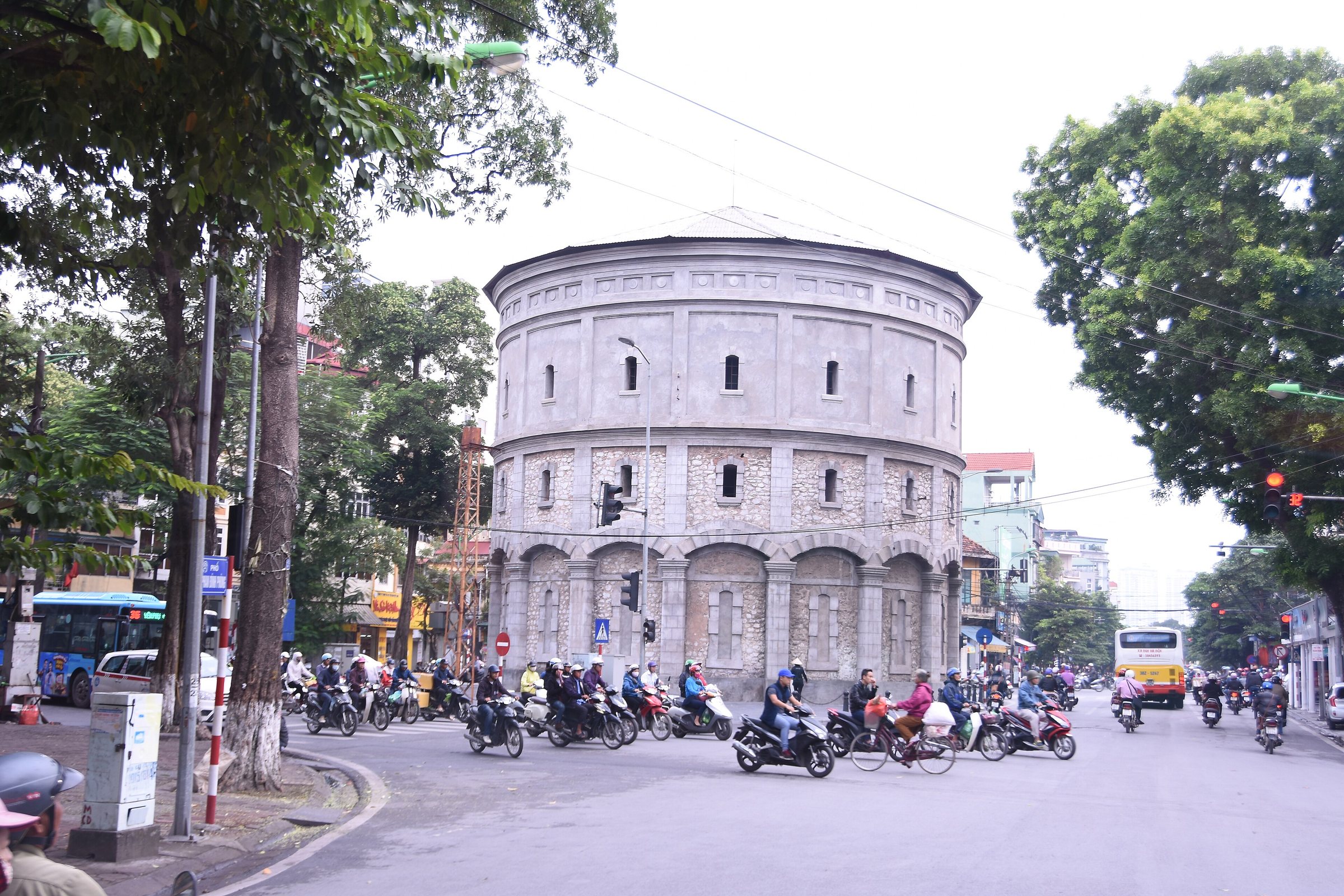
Is the tap water safe?Nước uống
Drinking water in Vietnam is a practical question that affects every visitor and resident. The short answer is that tap water is treated in urban areas but is not considered safe to drink without further treatment, and virtually nobody — Vietnamese or foreign — drinks it straight from the tap. The options range from bottled water to filtered refill stations, each with trade-offs.
Tap water: the general position
Municipal water supplies in Vietnam's major cities are chlorinated and treated, but the infrastructure carrying that water to the tap — ageing pipes, rooftop storage tanks that may not be cleaned regularly — introduces contamination risks that make drinking it directly inadvisable. This is not a contested position: it is the working assumption of Vietnamese households across the country, urban and rural alike. Boiling tap water makes it safe for drinking but does not remove heavy metals or chemical residues if those are present in the local supply. Outside of cities, water sources and treatment standards vary considerably, and the situation is less predictable.
Bottled water
Sealed plastic bottles of drinking water are available everywhere in Vietnam — convenience stores, supermarkets, hotels, street stalls and pharmacies. The dominant brands are widely distributed and subject to national food-safety standards, though enforcement varies. Smaller or unfamiliar brands, particularly in remote areas, are harder to verify. When buying a bottle, check that the seal is intact and unbroken. There is an entry fee of nothing here — bottled water is cheap and ubiquitous — but the volume consumed by a country of nearly 100 million people, plus its visitors, produces an enormous amount of single-use plastic waste, which is visible in both urban and rural environments.
For longer stays, relying entirely on single-use bottles is both expensive relative to alternatives and environmentally significant.
Ice: restaurants versus street stalls
Ice is where the question becomes less straightforward. In most restaurants — including mid-range and budget establishments — ice is supplied commercially, manufactured from filtered water in dedicated facilities and delivered in cylindrical or tubular blocks. This type of ice is generally considered safe. The cylindrical tube shape is a useful indicator that it comes from a commercial supplier rather than being made in a domestic freezer from tap water.
At informal street stalls, the origin of ice is harder to determine. Crushed ice in particular may come from a block whose provenance is unclear. Visitors who are cautious about their digestive systems, or who are newly arrived and have not yet adjusted, often avoid ice at street level until they are more settled. This is a personal risk assessment rather than a firm rule: many long-term residents drink street-stall iced drinks without incident.
Refill stations and filtered water
Water refill stations — large dispensing machines, typically located outside convenience stores or in residential neighbourhoods — have become common in Vietnamese cities. They dispense filtered or purified water into containers brought by the customer, at a fraction of the cost of bottled water. Vietnamese households frequently use these for cooking and drinking water. The quality depends on how well the individual machine is maintained, which varies.
Many hotels and guesthouses provide filtered drinking water in carafes or dispensers in rooms, particularly at mid-range level and above. It is worth checking whether the water provided is filtered or simply boiled tap water — the distinction matters for some contaminants. Filter bottles and travel water purifiers that use ceramic, activated carbon or UV treatment are available in outdoor and travel equipment shops in Hanoi and Ho Chi Minh City, and allow the use of tap or refill-station water with an additional layer of treatment.
The plastic waste context
Vietnam's consumption of single-use plastic bottles is among the highest in Southeast Asia by volume. Rivers, coastlines and urban drainage systems carry visible plastic waste, and the connection between high bottled-water consumption and this environmental burden is direct. There is growing domestic awareness of the issue, and some municipalities have introduced initiatives to reduce single-use plastics, though progress has been uneven. Visitors who use refillable bottles with filters, or who use hotel filtered water dispensers rather than buying individual bottles, reduce their contribution to this load. The trade-off is between convenience and environmental impact — the infrastructure to make tap water reliably drinkable without further treatment does not yet exist at a national level.
Also known as / see also
संदर्भित
स्रोत
- Ministry of Health — Bộ Y tế accessed 29 August 2026
Supports: carried over from the first build - Vietnam country profile — World Health Organization accessed 29 August 2026
Supports: carried over from the first build
Ageing अंतिम सत्यापन: 29 August 2026. Rules, fares and prices change — check the official source before acting on anything here. Report a mistake.
Picture credits (1)
Far view of the Hang Dau water tower (31417128596), shankar s. from Dubai, united arab emirates, CC BY 2.0, Wikimedia Commons