2025 constitutional amendment and Law on Organisation of Local Government establishing a two-tier local government
What Vinh Is
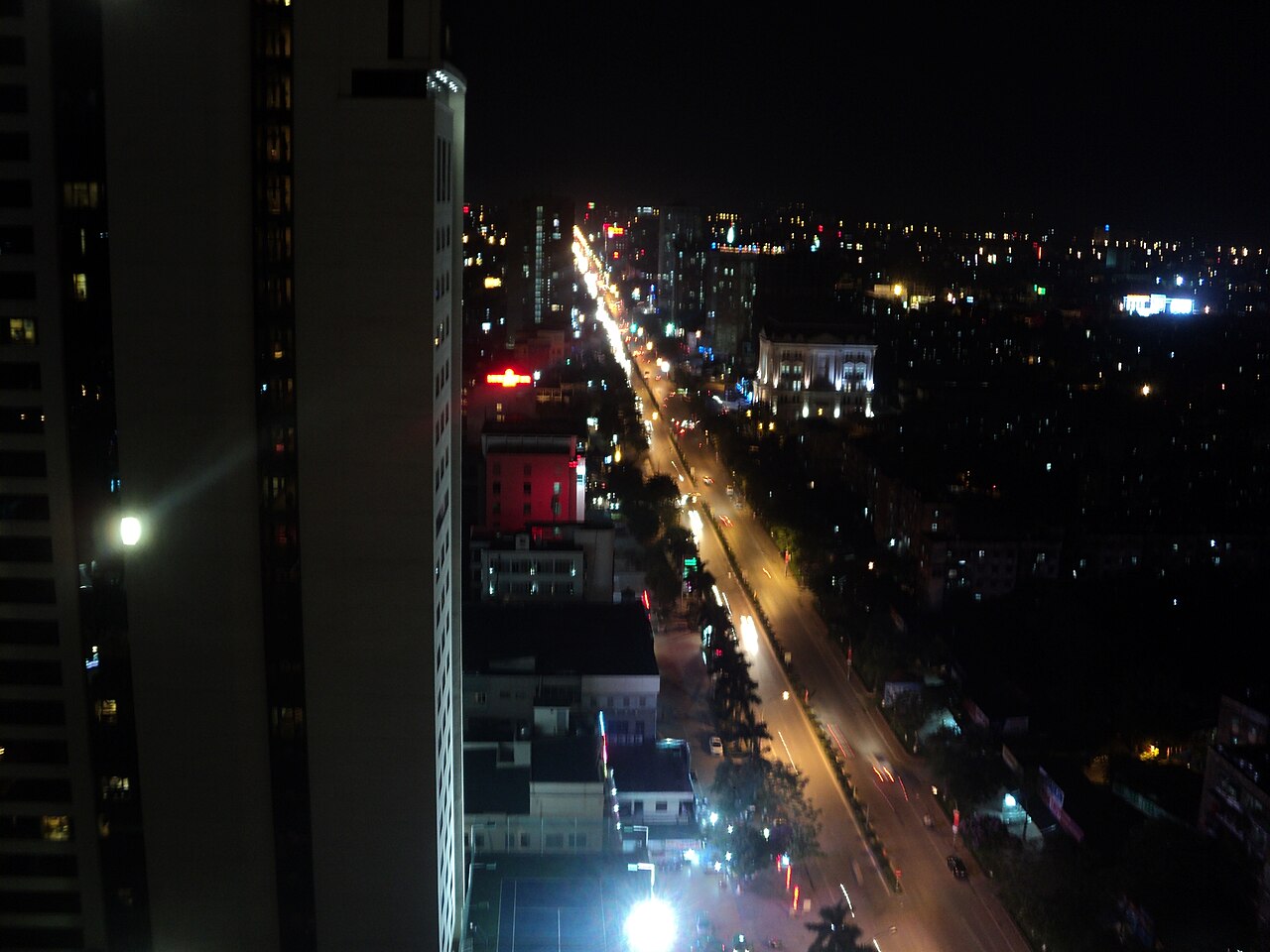
Vinh is the largest city in Nghe An, situated on the northern bank of the Lam River where the north-central coastal plain narrows between the Truong Son range and the sea. It is an industrial and commercial city rather than a scenic one, with a streetscape shaped heavily by Soviet-assisted reconstruction following the intensive American bombing campaigns of the 1960s and early 1970s, which destroyed most of the pre-war built environment.
The city is widely known as the birthplace of Ho Chi Minh, who was born in 1890 in Kim Lien village, now within the broader Vinh area. That association gives it a particular place in Vietnamese political memory and draws domestic visitors to its memorial sites.
Administrative Status After 2025
Until 30 June 2025, Vinh held the status of a provincial city (thành phố trực thuộc tỉnh) within Nghe An province. On 1 July 2025, Vietnam restructured its administrative system from three tiers to two, abolishing the district level and merging provincial-level units nationally. Under this reorganisation, Vinh's formal status as a distinct administrative unit was dissolved.
The city itself has not moved, been renamed, or changed in character. Governance of the area now falls under the reformed Nghe An provincial administration, with communes beneath it. For practical purposes — finding accommodation, catching transport, or visiting sites — Vinh functions exactly as it did before the administrative change.
Getting There and Away
Vinh is well connected by multiple transport modes, which is the primary reason many travellers pass through it.
- Rail: Vinh station sits on the main North–South railway line. Trains between Hanoi and Da Nang, Hue, or Ho Chi Minh City all stop here, making it one of the more significant intermediate stations on the line. Journey times vary considerably depending on train class and express versus stopping services.
- Road: National Highway 1 and the parallel expressway system both pass through or near Vinh. Open-tour sleeper buses connecting Hanoi with Hue and points south use Vinh as a regular stop. The city also has a main bus station with routes deeper into the mountainous interior of Nghe An.
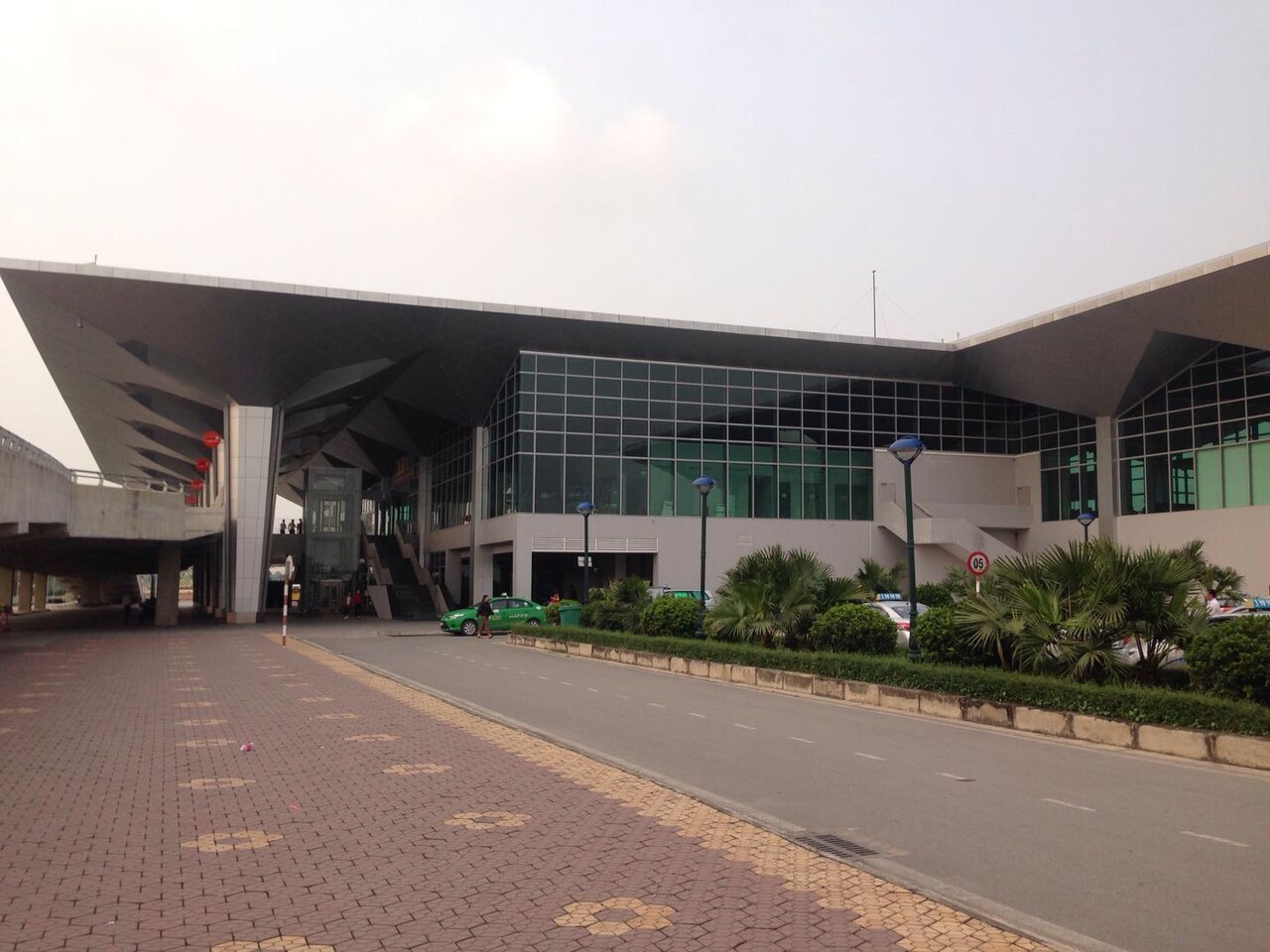
- Air: Vinh Airport (IATA: VII) handles domestic flights, primarily to and from Hanoi and Ho Chi Minh City, with some seasonal or regional routes. Flight frequency and operators change; check current schedules independently.
Climate and When to Visit
Vinh sits in a transitional climate zone that makes it one of the more climatically challenging cities in Vietnam. Summers — roughly May to August — are dominated by the Lao wind, locally called the gió Lào, a hot, dry föhn-type wind descending from the west that can push temperatures well above 40 °C and drives humidity very low. This period is generally considered the least comfortable for being outdoors.
Autumn, particularly September and October, brings the risk of typhoons and heavy rainfall associated with the north-central convergence zone. Flooding in low-lying parts of the city and surrounding Nghe An is not unusual during this period.
The cooler months from November through February are more temperate, though overcast skies and light rain are common. March and April offer a relatively pleasant window before the summer heat builds.
Sites and Points of Interest
Vinh is not a city with a concentrated old quarter or heritage streetscape, but it has several sites that draw visitors, mostly Vietnamese.
- Kim Lien Memorial Site: Located roughly 14 km north-west of central Vinh, this is the village where Ho Chi Minh was born and spent his early childhood. It includes reconstructed family homes, a museum, and grounds that receive substantial domestic pilgrimage traffic.
- Vinh Citadel ruins: The Nguyen-era citadel, built in the early 19th century, was largely destroyed during the wars but partial traces remain. Its historical significance is greater than its present visual impact.
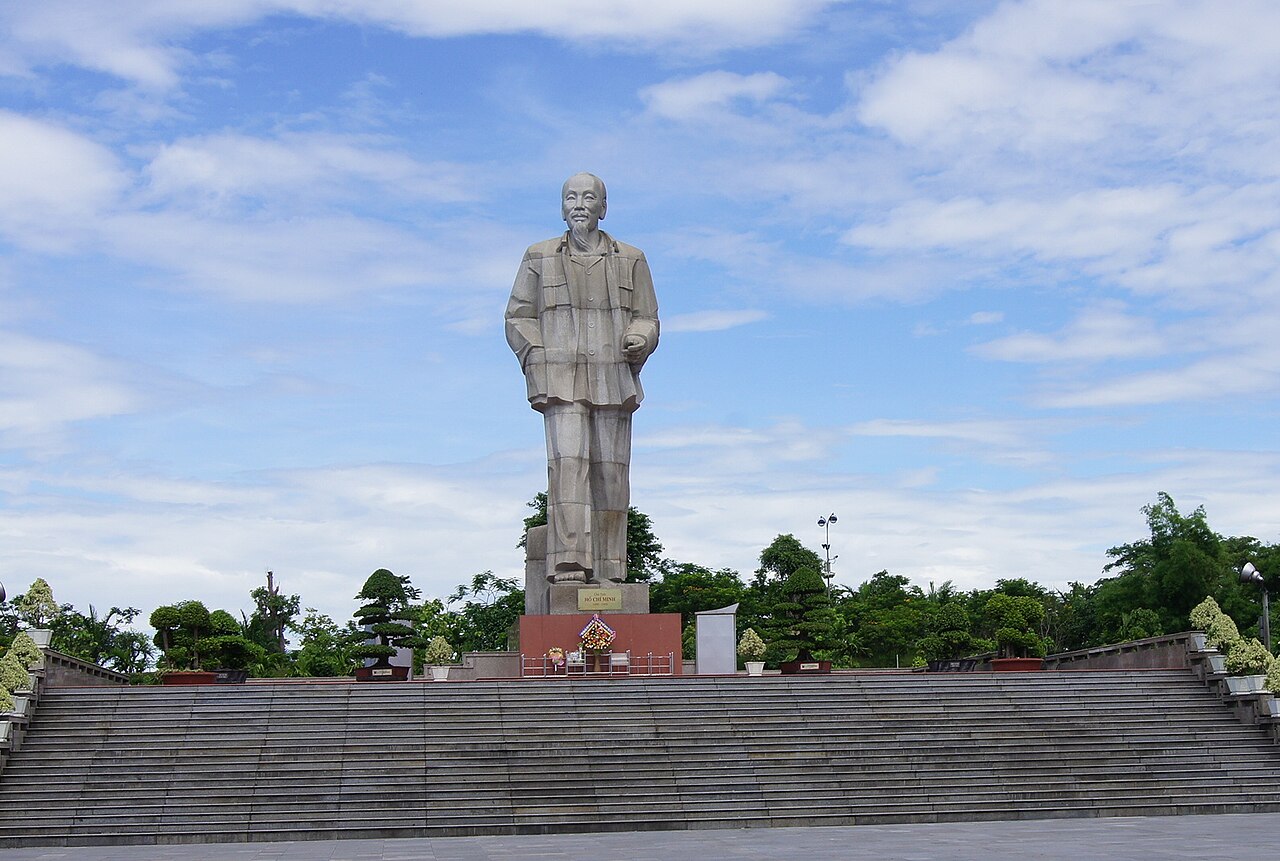
- Quang Trung Square: The civic centre of the city, laid out in the Soviet urban-planning style and anchored by a large statue of Ho Chi Minh. It gives a clear sense of the city's post-war architectural character.
- Lam River waterfront: The southern edge of the city along the Lam River offers a different character from the grid streets inland and is a local leisure area.
Staying in Vinh
Accommodation in Vinh ranges from budget guesthouses to mid-range hotels, concentrated mainly in the central districts around Quang Trung Square and along the main commercial streets. International hotel brands are not prominently represented. Most travellers staying overnight are doing so for transit reasons — breaking a long north–south journey — rather than using Vinh as a base for extended exploration.
The area around the train station and the main bus terminal has the highest concentration of cheaper options aimed at travellers in transit. More comfortable hotels tend to cluster in the central grid a short distance from these transport hubs. Prices vary by season, with the cooler months generally seeing more visitor movement.
Common Misunderstandings
Several patterns trip up first-time visitors to Vinh.
- Underestimating the summer heat: The gió Lào wind is not a Vietnamese cliché — temperatures in Vinh during June and July are among the highest recorded anywhere in the country, and the low humidity means conventional heat warnings based on humidity may not capture how extreme conditions feel.
- Assuming the city is easy to use as a base for Ha Giang or the far north: Vinh is in Nghe An, not close to the northern mountain provinces. Travel from Vinh to areas like Ha Giang involves significant distance.
- Expecting a heritage city: Unlike Hoi An or Hue, Vinh has almost no pre-war built heritage surviving. Visitors who arrive expecting an old quarter will find a Soviet-influenced planned city instead.
- Confusing administrative change with physical change: The 2025 restructuring removed Vinh's formal status as a provincial city, but the city, its streets, and its sites remain exactly where they were.
Where it is
Also known as / see also
参照元
出典
- Vinh (Q33428) — Wikidata (CC0 1.0) アクセス日 30 August 2026
Supports: coordinates, area, population - Vinh — Wikipedia (CC BY-SA 4.0) アクセス日 30 August 2026
Supports: background
Current 最終確認: 31 August 2026. Rules, fares and prices change — check the official source before acting on anything here. Report a mistake.
Picture credits (4)
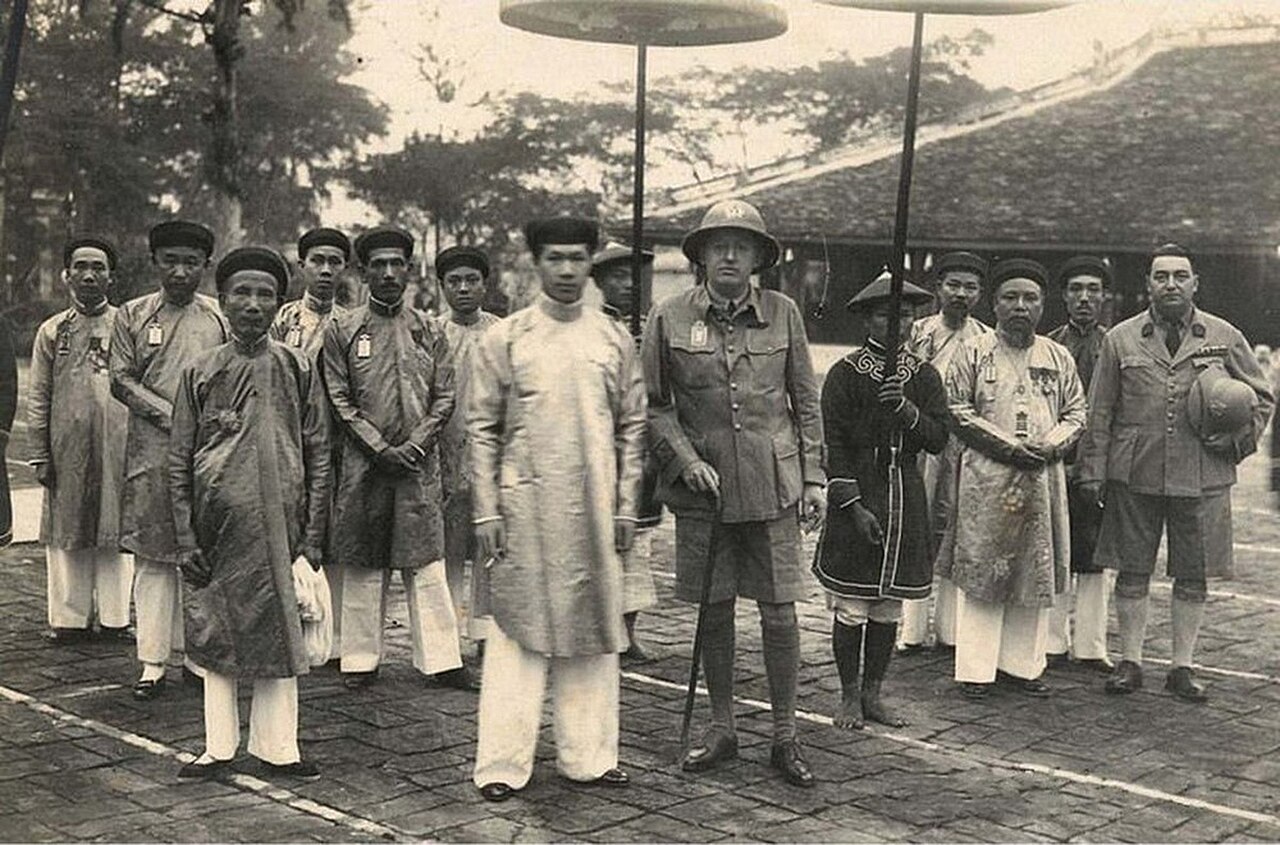
A street in Vinh by night, Quang Trung Vinh, CC BY-SA 4.0, Wikimedia Commons · AP1627-Sogny-Marien Emperor Bảo Đại in Vinh, 1932, Unknown photographer, Public domain, Wikimedia Commons · Quảng trường Hồ Chí Minh, Hoangvantoanajc, CC BY-SA 3.0, Wikimedia Commons · Vinh International Airport, dott. ing. Fabrizio Berloco, CC BY-SA 4.0, Wikimedia Commons