2025 constitutional amendment and Law on Organisation of Local Government establishing a two-tier local government
Administrative status
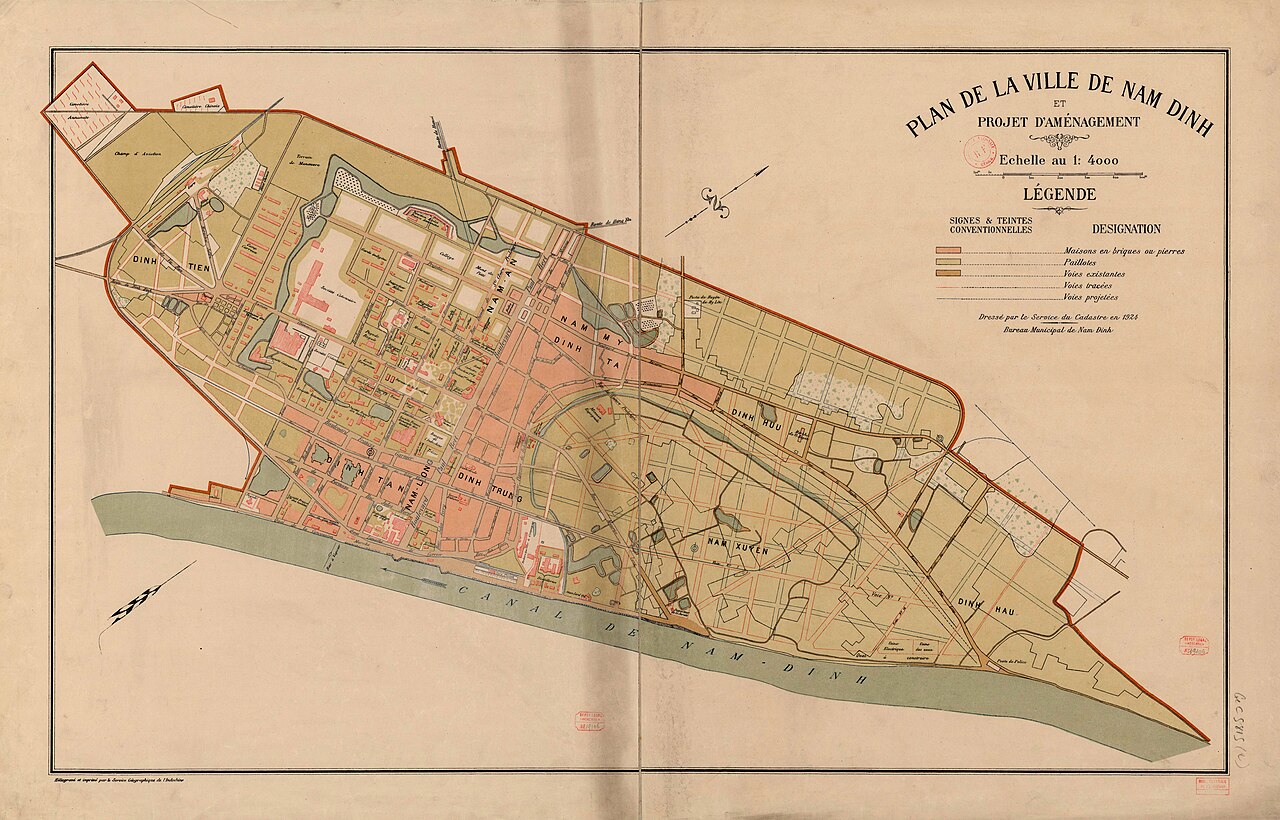
Until 30 June 2025, Nam Định functioned as a provincial city — the administrative centre of Nam Định province. On 1 July 2025, Vietnam's national reorganisation collapsed its 63 provincial-level units into 34 and abolished the district tier entirely. As part of that process, Nam Định city ceased to exist as a discrete administrative unit. The area it occupied is now governed under the restructured Nam Định province, within a two-tier province/commune system.
The place itself has not changed. Streets, neighbourhoods, landmarks, and transport connections remain where they were. Visitors and residents will notice no physical difference on the ground; the change is one of administrative classification only.
Character and history
Nam Định developed as one of the earliest industrial cities in French Indochina, built substantially around textile manufacturing. The Nam Định Cotton Mill, established under French administration in the late nineteenth century, was for decades one of the largest textile facilities in Southeast Asia and shaped the social character of the city's working-class quarters.
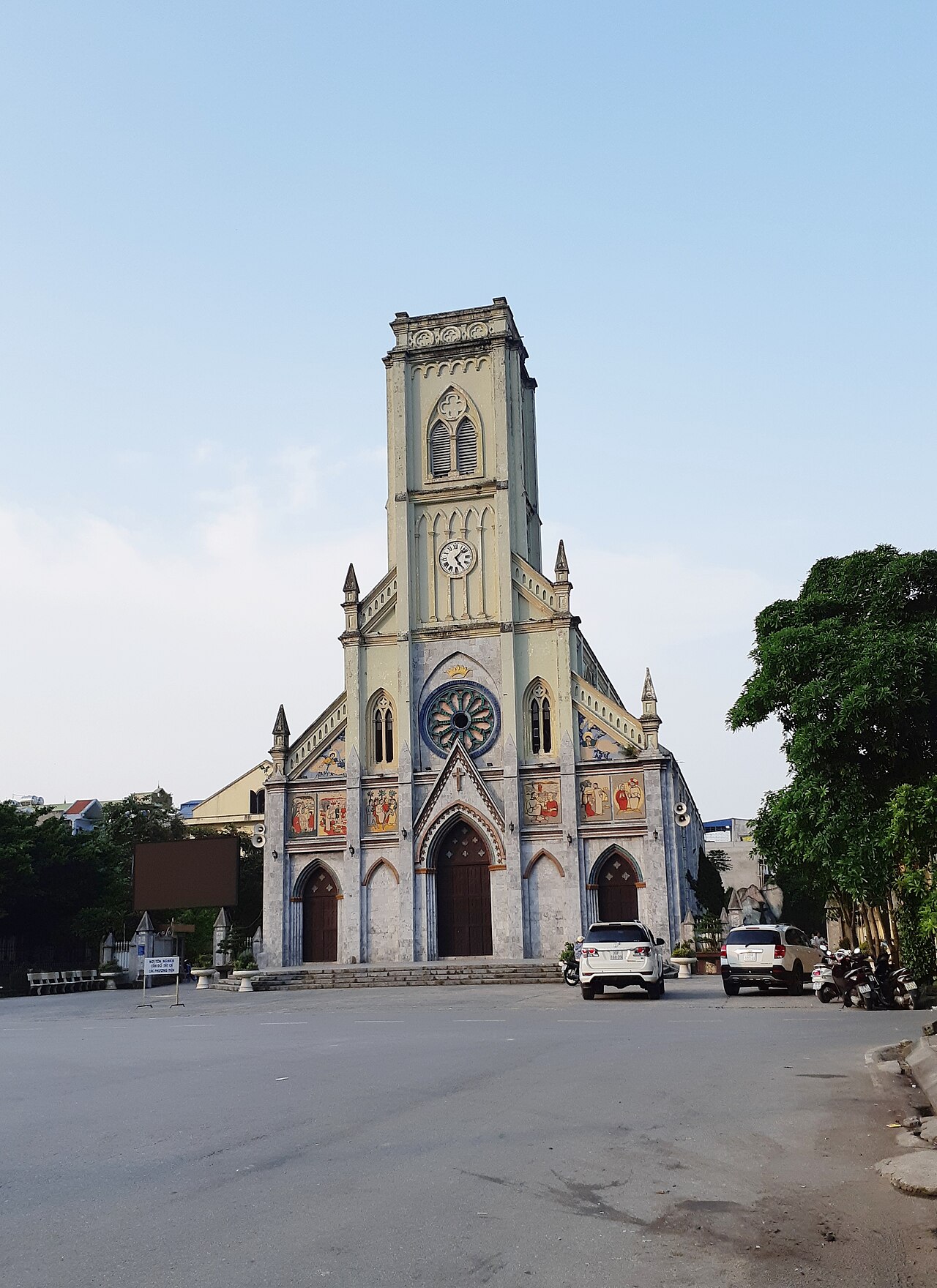
The city also has an unusually dense Catholic presence by Vietnamese standards, a legacy of early missionary activity in the Red River Delta. Large stone churches, some dating to the nineteenth century, are distributed across the urban area and remain active parishes. This concentration of Catholic heritage distinguishes Nam Định visually from many other delta cities.
Nam Định has historically been regarded as a centre of văn chương — literary and scholarly culture — and locals take some pride in the city's association with Vietnamese poets and writers across several centuries.
Food culture
The city is strongly associated with its own style of phở, which locals and food writers distinguish from the Hanoi and Saigon versions. Nam Định phở uses a broth that tends toward clarity and a moderate sweetness, with flat rice noodles cut wider than those common in Hanoi. The dish is typically served with thinly sliced beef and a more restrained garnish plate — less herb-heavy than southern variations.
The claim that Nam Định is the actual origin point of phở as a dish is made by some Vietnamese food historians, though this remains contested. Hanoi and the northern border region also feature in competing accounts. What is not contested is that phở stalls are ubiquitous in the city, open from early morning, and that the local style has its own recognisable identity.
Other street foods associated with the area include bánh cuốn (steamed rice rolls) and a variety of freshwater fish preparations common to the delta.
Getting there and away
Nam Định sits on the main north–south railway line connecting Hanoi and Ho Chi Minh City, and trains stop at Nam Định station with reasonable frequency. Journey time from Hanoi by express train is typically under two hours, though this varies by service class. The station is centrally located relative to the old city core.
Road connections via National Highway 21 link the city to Hanoi and to the coast. Open-tour buses and private coaches serve the Hanoi–Nam Định route regularly. The city also connects by road to Nam Định province's coastal and rural areas, which are not accessible by train.
There is no commercial airport in the city; the nearest airports are at Hanoi (Nội Bài) and, to a lesser extent, Thọ Xuân in Thanh Hoá province to the south.
Seasons and when to visit
Nam Định experiences the climate typical of the northern Red River Delta: a distinct cool and dry winter from roughly November to March, and a hot, humid summer with significant rainfall from May through September. The transitional months of April and October tend to bring milder temperatures.
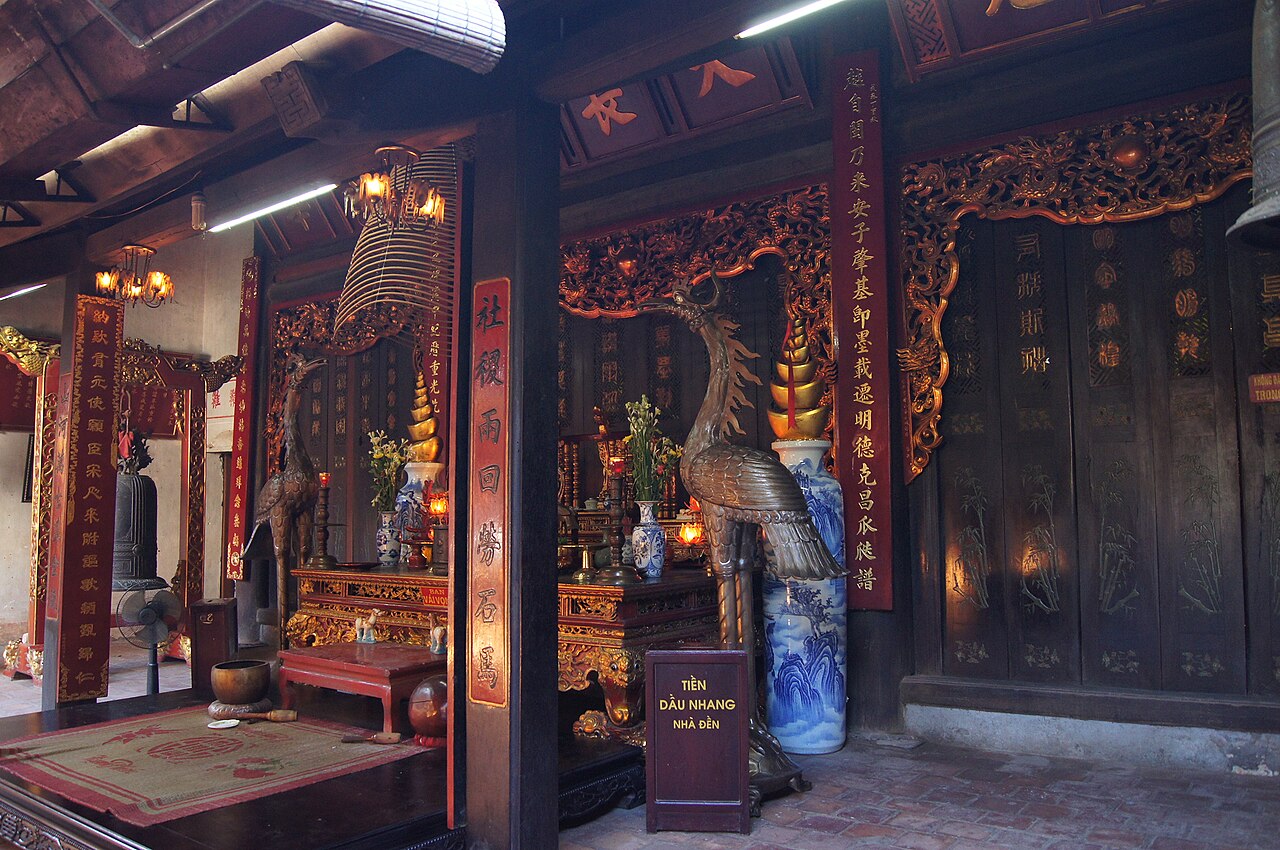
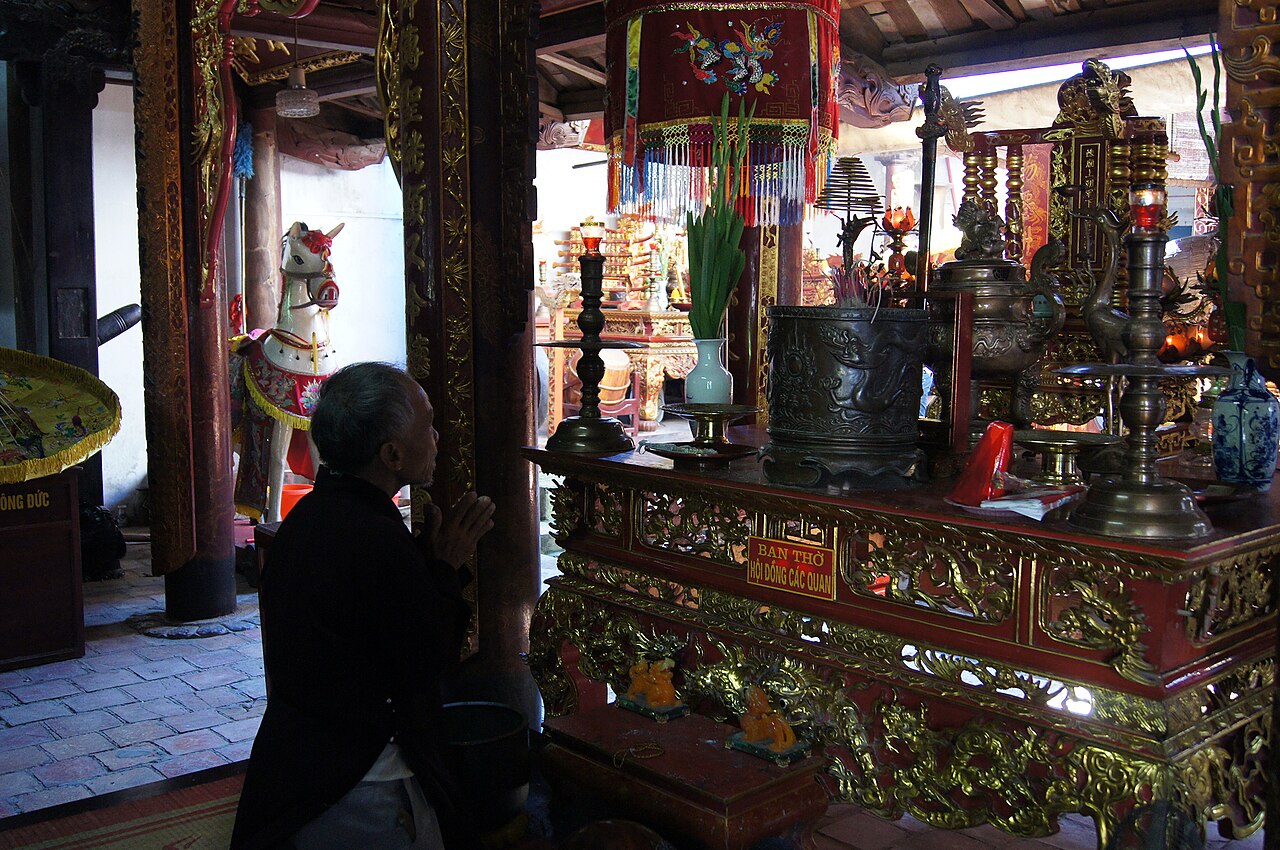
The Trần Temple Festival, held at the Trần Dynasty temple complex in the city, takes place on the fifteenth day of the first lunar month — usually falling in February. It is one of the larger religious gatherings in the delta and draws visitors from across the region. Travel and accommodation demand rises noticeably around this period.
The summer months bring heat and occasional flooding in low-lying parts of the delta. Winter mornings can be genuinely cold by Vietnamese standards, with temperatures sometimes dropping to single digits Celsius, and persistent drizzle is common in February and March.
What first-time visitors get wrong
Visitors arriving from Hanoi sometimes treat Nam Định as a half-day excursion, underestimating the time needed to move between the temple complex, the church district, and the older residential neighbourhoods. The sites are spread across the urban area and are not easily covered on foot from a single point.
The Trần Dynasty temple complex — Đền Trần and the associated Chùa Tháp — sits several kilometres from the main railway station and the central market area. Visitors who assume proximity are routinely caught out.
It is also worth noting that Nam Định is not a city organised around tourism infrastructure. Signage in languages other than Vietnamese is limited, and English-speaking staff at guesthouses are the exception rather than the rule. This is straightforward to navigate but benefits from some preparation.
Finally, the administrative changes of July 2025 mean that some older maps, guidebooks, and digital tools still show Nam Định city as a separate administrative entity. For practical travel purposes this makes no difference, but it can cause confusion when cross-referencing sources.
Where it is
Các nguồn
- Nam Định (Q33682) — Wikidata (CC0 1.0) đã truy cập 30 August 2026
Supports: coordinates, area, population - Nam Định — Wikipedia (CC BY-SA 4.0) đã truy cập 30 August 2026
Supports: background
Current Terakhir diverifikasi: 31 August 2026. Rules, fares and prices change — check the official source before acting on anything here. Report a mistake.
Picture credits (4)
Nam Định 1924, Service du cadastre / Service géographique de l'Indochine, Public domain, Wikimedia Commons · Nhà thờ Lớn thành phố Nam Định, TaiwaneseWaveVN, CC BY-SA 4.0, Wikimedia Commons · Ban tho Den Tran Nam Dinh, Hoangvantoanajc, CC0, Wikimedia Commons · Den Tran Nam Dinh 3, Hoangvantoanajc, CC0, Wikimedia Commons