2025 constitutional amendment and Law on Organisation of Local Government establishing a two-tier local government
Administrative status
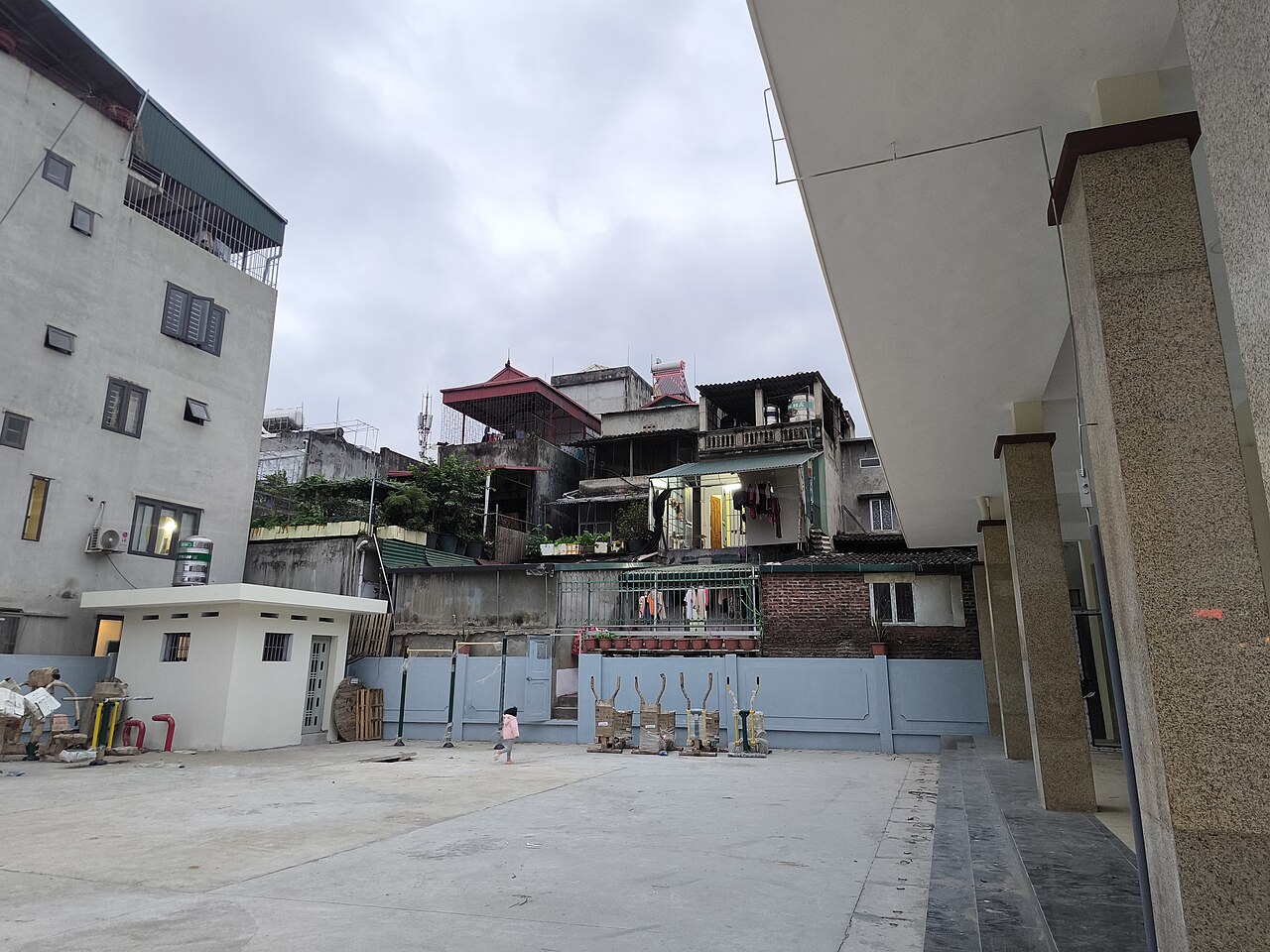
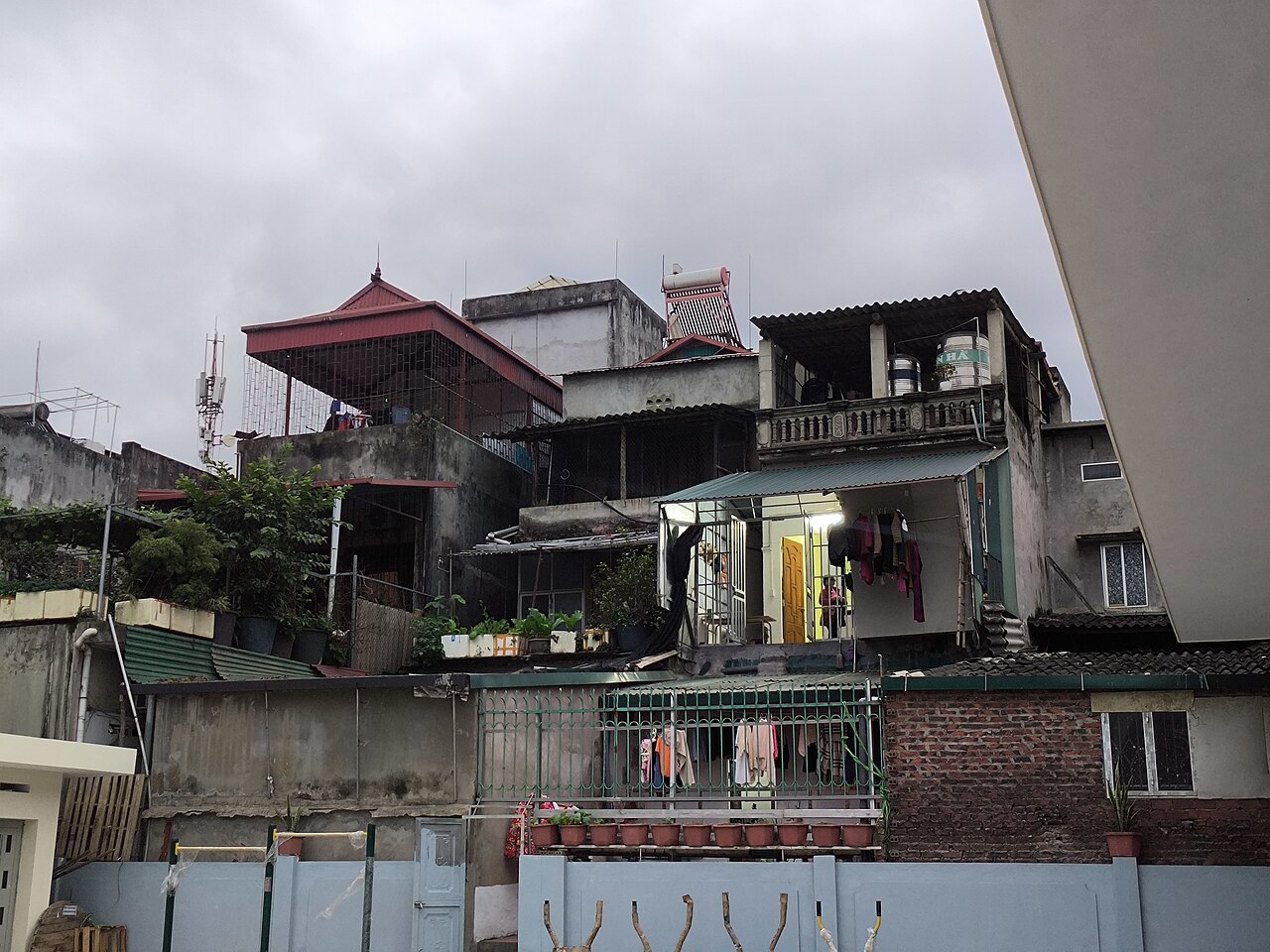
Lào Cai city was a provincial city — the capital-level urban unit of the former Lào Cai province — until 30 June 2025, when Vietnam's nationwide administrative reform merged 63 provincial-level units into 34 and abolished the district tier entirely. The area governed by the former Lào Cai city now falls under the new two-tier structure of Lào Cai province, administered directly at the province and commune level. The city itself has not moved or been renamed; its streets, neighbourhoods, railway station and border crossing remain exactly where they were. What has changed is the layer of government above the communes, not the physical place.
Character and location
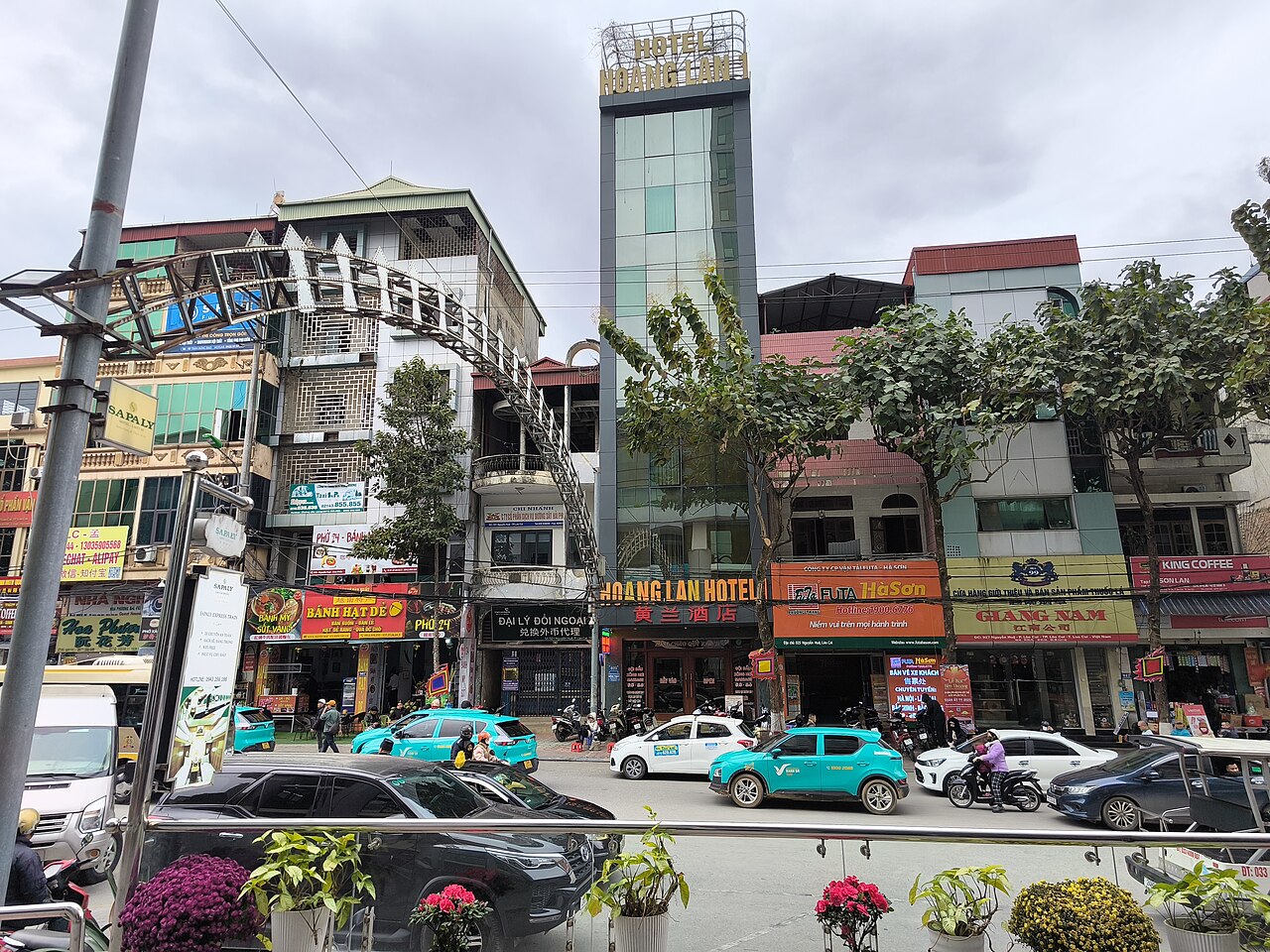
Lào Cai sits at an elevation of roughly 90 metres in the narrow valley where the Nậm Thi River forms the international boundary with Hekou in Yunnan, China. The Red River (Sông Hồng) runs through the city before continuing southeast toward the lowlands. The urban core is compact and divided in feel: the area around the railway station and market is dense with guesthouses and transport agents catering to travellers moving through to Sapa and the northwest, while the riverside and newer districts have a more settled, administrative character. The Chinese city of Hekou is visible directly across the bridge, and cross-border trade gives the economy a distinctly commercial texture.
Getting there and away
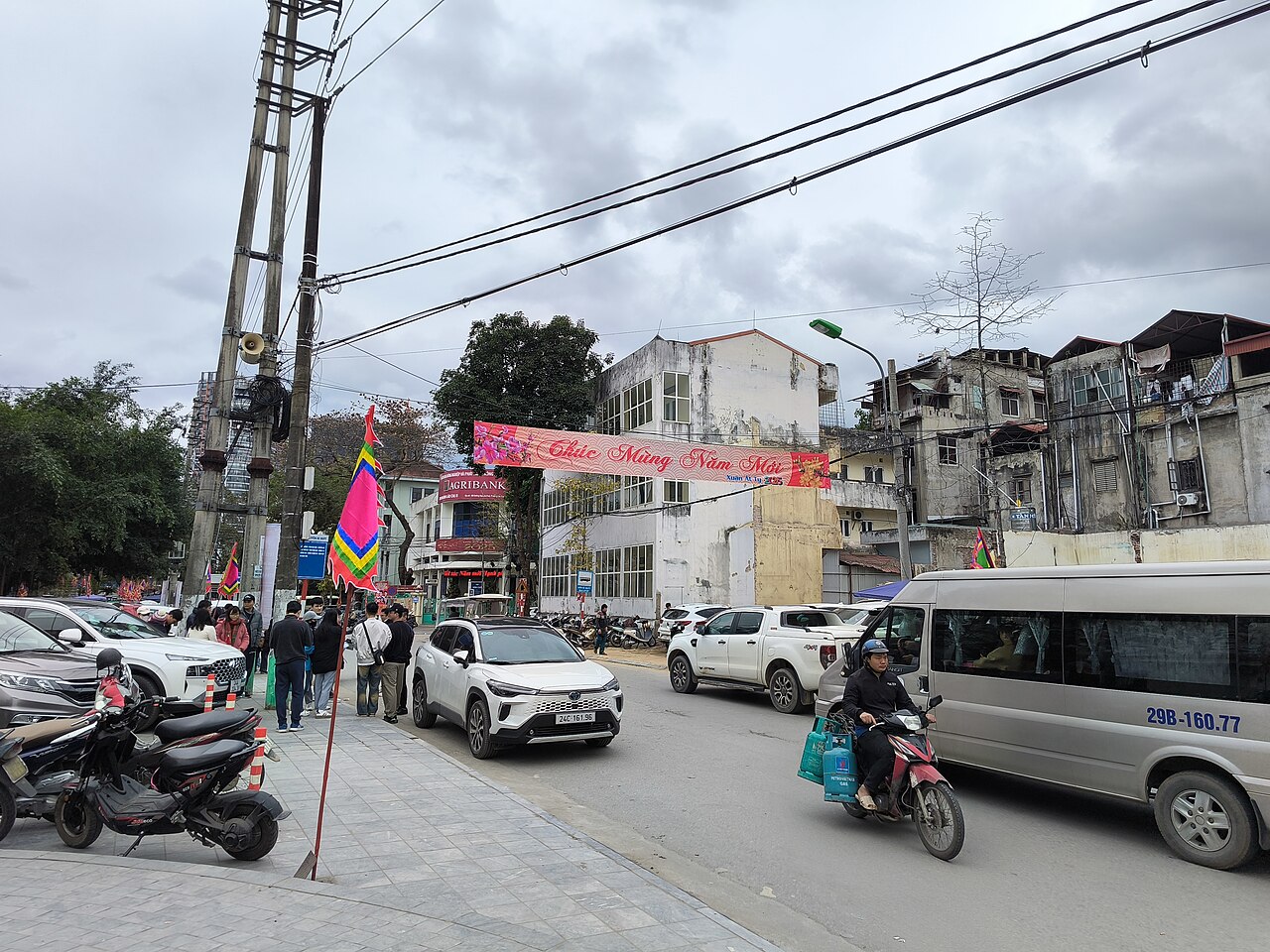
Lào Cai is connected to Hà Nội by an overnight and daytime train service on the Hà Nội–Lào Cai railway line, one of the more reliable provincial rail links in the country. The journey covers roughly 290 km and passes through Yên Bái. Several private operators run sleeping-carriage services with varying cabin configurations, and the state railway also operates carriages on the same track.
Road connections include the Nội Bài–Lào Cai Expressway, which significantly reduced driving time from Hà Nội. Bus services run from Mỹ Đình and Giáp Bát stations in Hà Nội. From Lào Cai, minibuses and shared taxis depart for Sapa on a frequent basis throughout the day. The Kim Thành international border gate handles both pedestrian and freight crossings into China; rules and operating hours are subject to change and should be verified before travel.
Seasons and climate
The city experiences a subtropical highland climate moderated by the valley. Summers (May to September) are hot and humid with significant rainfall; the Red River can rise considerably during peak monsoon months and occasional flooding affects low-lying riverside areas. Winters (November to February) are cool and sometimes misty, with temperatures occasionally dropping near 10 °C. Spring (March to April) brings mild temperatures but persistent drizzle and low cloud. Autumn (October to November) is generally considered the clearest period.
Travellers moving through to higher elevations should note that conditions in Sapa and the surrounding mountains differ markedly from those in the valley — snow and frost occur at altitude in winter even when Lào Cai city itself is merely cool. Prices vary by season.
Points of interest
Lào Cai functions primarily as a transit point rather than a destination in its own right, and most visitors spend a night or less. The Cốc Lếu Market is a large general market drawing both local shoppers and cross-border traders, with sections selling fresh produce, textiles and everyday goods. The Kim Thành Border Gate area has a shopping zone oriented toward Chinese goods. Along the Red River, a riverside promenade runs through the newer part of the city.
The Lào Cai Railway Station itself is a functional landmark — its platform life, particularly in the evenings when overnight trains depart, gives a clear sense of the city's role in the regional transport network. A small cluster of temples and the Ông Công communal house can be found in the older quarter near the market.
Accommodation areas
Most short-stay accommodation is concentrated within walking distance of the railway station and the main market area. Guesthouses here range from basic rooms to mid-range hotels, and the competition among transport agents and tour desks is considerable. This part of the city is convenient but noisy in the early morning when trains arrive and buses depart.
The newer districts along the Red River offer larger hotels with more formal facilities, generally quieter surroundings and slightly longer travel times to the station. There is limited high-end accommodation; travellers expecting international hotel standards typically find more options in Sapa. Prices vary by season and by proximity to the station.
Common misunderstandings
The most frequent confusion is between Lào Cai city and Sapa: many travellers book transport to Lào Cai believing they have arrived at Sapa, when in fact Sapa is a further 38 km by road and roughly 1,500 metres higher in elevation. The two are quite different in character, climate and infrastructure.
A second misunderstanding concerns the administrative reform of 2025. Some older maps, booking platforms and signage still refer to Lào Cai city as a distinct provincial city. It no longer holds that formal status, but this has no practical effect on transport connections, border crossing procedures or the physical layout of the place.
Finally, travellers sometimes assume the Chinese border crossing is straightforward and open to all nationalities at all times. Entry requirements, permitted nationalities and gate hours have changed at various points and are determined by bilateral agreements that are separate from standard Vietnamese visa arrangements.
Where it is
Also known as / see also
出典
- Lào Cai (Q33373) — Wikidata (CC0 1.0) アクセス日 30 August 2026
Supports: coordinates, area, population - Lào Cai — Wikipedia (CC BY-SA 4.0) アクセス日 30 August 2026
Supports: background
Current 最終確認: 31 August 2026. Rules, fares and prices change — check the official source before acting on anything here. Report a mistake.
Picture credits (4)
源義信, CC BY 4.0, Wikimedia Commons · 源義信, CC BY 4.0, Wikimedia Commons · 源義信, CC BY 4.0, Wikimedia Commons · 源義信, CC BY 4.0, Wikimedia Commons