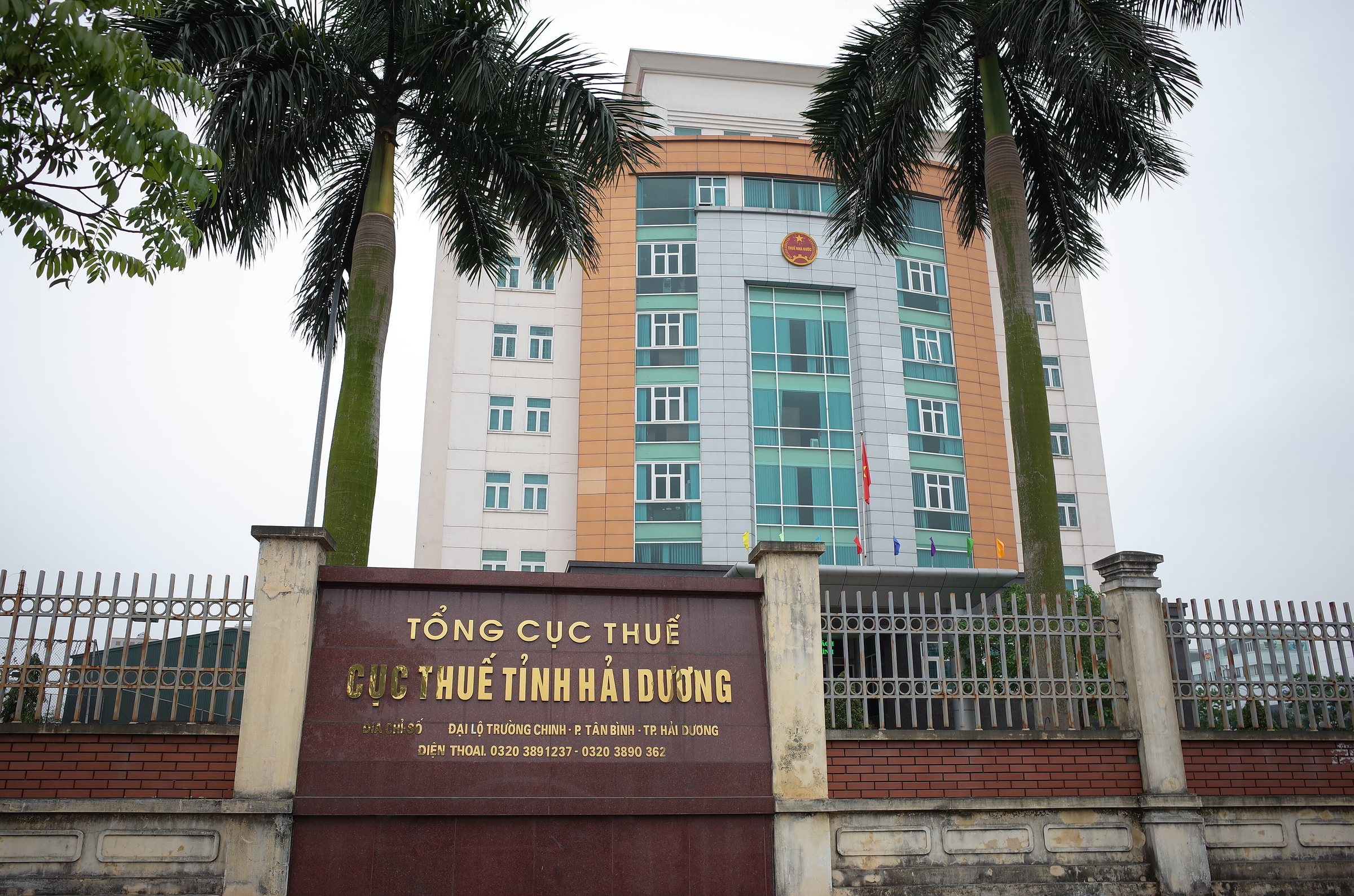
Income tax for foreignersThuế thu nhập cá nhân
Tax residency: the 183-day threshold
Vietnam divides individual taxpayers into two categories: tax residents and non-residents. The principal test is physical presence. A foreign national who spends 183 days or more in Vietnam in a calendar year — or 183 days or more across any consecutive 12-month period beginning from the first day of arrival — is treated as a tax resident for that year.
A second route to tax residency exists for those who hold a permanent residence card or a long-term lease on accommodation in Vietnam, even if they do not meet the day-count threshold. The interaction between these two criteria can be nuanced and is an area where individual circumstances vary considerably. Anyone unsure of their status should seek qualified tax advice before filing.
Rates: residents versus non-residents
The two categories are taxed in fundamentally different ways.
Tax residents are subject to a progressive schedule on employment income, with rates rising across seven bands. The lowest band covers modest monthly income and the highest band applies to the portion of income above a substantial ceiling. Residents are taxed on their worldwide income, meaning income earned outside Vietnam is also in scope, subject to any applicable treaty relief.
Non-residents pay a flat rate on Vietnam-sourced income only. This rate applies to gross income without the deductions and allowances available to residents, which can make the effective burden higher than it appears relative to the resident schedule.
Rates are set by the Law on Personal Income Tax and its amendments; they have been stable for a number of years but are subject to legislative change.
What income is taxable
Vietnamese PIT covers a broad range of income types beyond salaries. The main categories include:
- Employment income: salaries, wages, allowances, bonuses, housing benefits and other remuneration from an employer, whether paid in cash or in kind.
- Business income: earnings from self-employment or commercial activity conducted in Vietnam.
- Investment income: dividends, interest and similar returns.
- Capital gains: profits from the transfer of securities or real property.
- Other income: prizes, inheritances and certain licensing fees above defined thresholds.
Some employer-provided benefits — including certain housing allowances, school fees for children, and return airfares — may be partially exempt or treated differently depending on how they are structured in the employment contract. The precise treatment has changed over time and should be confirmed against current guidance.
Deductions and allowances for residents
Tax residents benefit from a personal deduction applied against gross employment income before the progressive rates are calculated. A further deduction is available for each qualifying dependant — typically children or elderly parents — provided the dependant is registered with the tax authority.
Mandatory social insurance and health insurance contributions paid by the employee are also deductible, as are certain voluntary pension contributions up to a cap. Non-residents are not entitled to these deductions; their flat rate applies to gross income.
The deduction amounts are set by regulation and adjusted periodically to reflect inflation; the figures in force at any given time should be verified with a tax adviser or the General Department of Taxation.
Double-taxation treaties
Vietnam has signed double-taxation agreements (DTAs) with a substantial number of countries, including the United Kingdom, the United States, Germany, France, Japan, South Korea, Australia, Singapore and many others. A DTA can affect which country has the right to tax particular income, reduce withholding rates on dividends or royalties, and prevent the same income from being taxed in full in both jurisdictions.
Treaty benefits are not applied automatically in all cases; a taxpayer may need to submit documentation to claim them, and employers may need to adjust withholding accordingly. The existence of a treaty does not eliminate a filing obligation in Vietnam. Because treaty interpretation can be technical and depends heavily on individual facts, this is an area where professional advice is particularly important.
Employer withholding
Employers in Vietnam — including foreign-invested enterprises and representative offices — are required to withhold PIT from employee salaries on a monthly basis and remit it to the tax authority. For most salaried foreign workers, this means tax is deducted at source before pay reaches the employee's account.
Where an employer pays tax on behalf of an employee under a gross-up arrangement — common in some expatriate packages — the grossed-up amount itself becomes part of taxable income, which affects the calculation. Employees should obtain monthly or annual payslips that detail the amounts withheld, as these are needed for the annual finalisation.
Annual tax finalisation
Even where tax has been withheld monthly by an employer, most individuals with taxable income in Vietnam are required to complete an annual PIT finalisation. This is a reconciliation between the tax already withheld and the correct amount owed for the full year, taking into account all income sources, applicable deductions, and any treaty relief.
The deadline for annual finalisation falls in the first quarter of the year following the tax year in question, though precise deadlines should be confirmed as they can shift. Individuals who leave Vietnam permanently before the end of a tax year may be required to finalise before departure.
Failure to file or to pay any tax due can result in penalties and interest. The system is administered by the General Department of Taxation under the Ministry of Finance.
This page provides general reference information only. Tax positions depend on individual circumstances, treaty provisions, and regulations that change over time. Anyone with specific tax obligations in Vietnam should consult a qualified tax professional.
Where it is
Also known as / see also
Référencé par
Sources
- State Bank of Vietnam — Ngân hàng Nhà nước consulté 29 August 2026
Supports: the rules and definitions on this page - Thuế thu nhập cá nhân — Wikipedia (Vietnamese) (CC BY-SA 4.0) consulté 31 August 2026
Supports: background, Vietnamese edition - Vietnam country data — World Bank consulté 31 August 2026
Supports: the rules and definitions on this page
This server cannot reach the domain; the link was not confirmed from here.
Ageing Dernière vérification: 31 August 2026. Rules, fares and prices change — check the official source before acting on anything here. Report a mistake.
Picture credits (1)
Cục thuế tỉnh Hải Dương, trên đường Trường Chinh, thành phố Hải Dương, tỉnh Hải Dương, Nguoivietbao, CC BY-SA 4.0, Wikimedia Commons