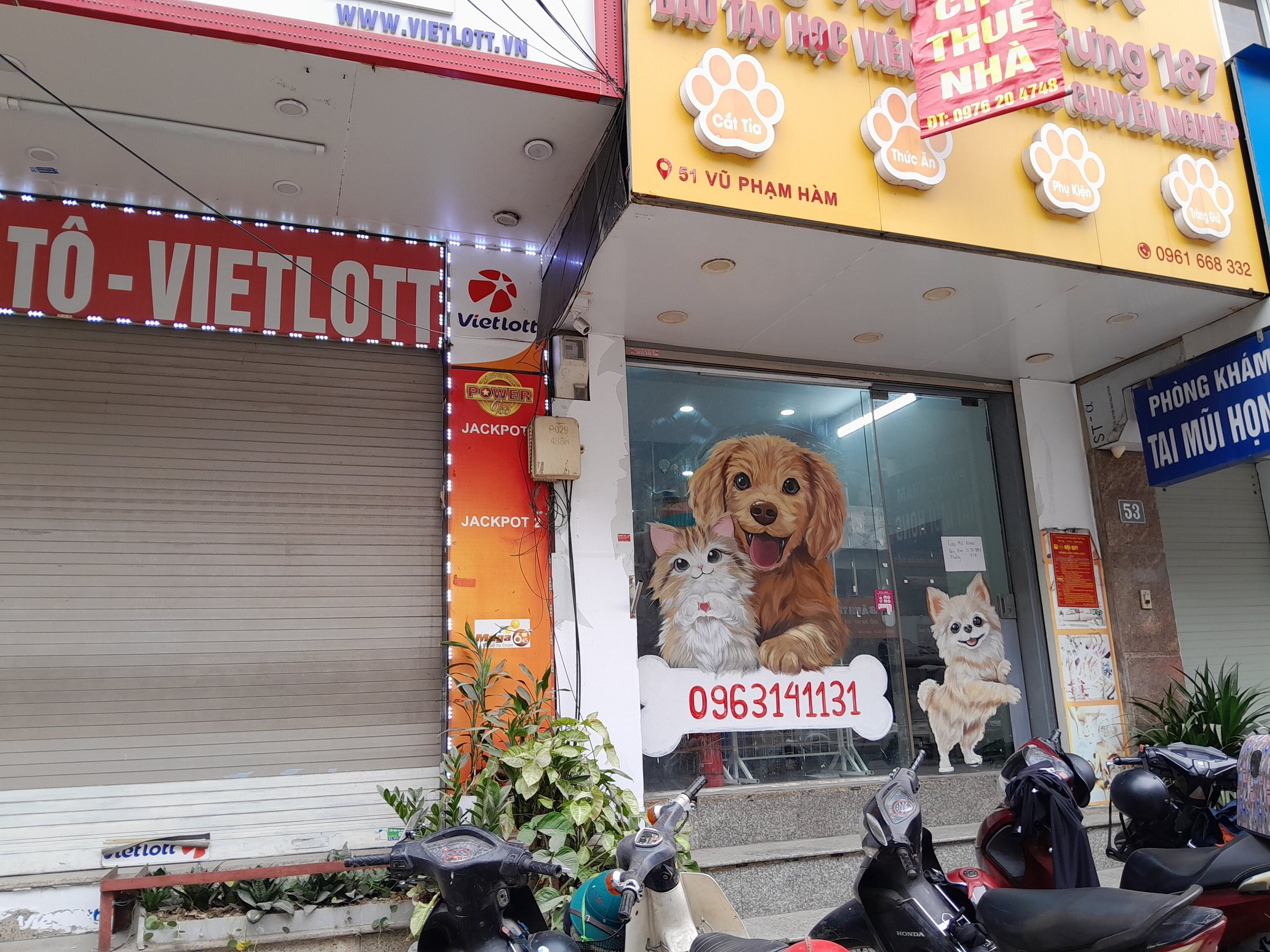
Bringing pets to VietnamMang thú cưng
Core import requirements
Vietnam's import rules for pet dogs and cats are administered by the Department of Animal Health (DAH) under the Ministry of Agriculture and Rural Development. The fundamental documents required are:
- A health certificate issued by an accredited or government-recognised veterinarian in the country of export, typically within ten days of travel.
- Proof of a valid rabies vaccination. Vietnam is rabies-endemic, and the country takes importation of potentially unvaccinated animals seriously. A completed primary course plus booster schedule is generally required; a single recent jab on an animal with no prior history is unlikely to satisfy inspectors.
- An ISO-standard microchip (15-digit, 134.2 kHz), implanted before the rabies vaccination is recorded. If the chip was implanted after the vaccination, authorities may treat the vaccination record as invalid.
- In some cases, a rabies titre test (RNATT) — a blood test confirming antibody levels — is required, particularly for animals coming from countries Vietnam classifies as higher risk. Requirements change; verify the current list with the DAH or a specialist import agent before travel.
All certificates must typically be endorsed by the official veterinary authority of the exporting country and may need legalisation or apostille depending on the origin. Requirements are updated periodically and are not always consistently applied at the point of entry.
Quarantine on arrival
Vietnam does not operate a fixed mandatory quarantine period equivalent to, say, Australia or the UK, but inspection on arrival is required and the outcome depends on the paperwork presented and the discretion of the veterinary officer on duty.
Animals arriving with complete, correctly endorsed documentation — health certificate, microchip record, vaccination history — are typically cleared at the airport after inspection, sometimes within a few hours. Animals with incomplete or suspect documentation may be held in government quarantine facilities while the situation is resolved. Conditions in these facilities vary and are not always comparable to commercial kennels.
The main international entry points for pets are Noi Bai International Airport (Hanoi) and Tan Son Nhat International Airport (Ho Chi Minh City). Both have veterinary inspection desks, though staffing and processing times differ. Arriving on a weekday during business hours is generally more straightforward than arriving on a public holiday.
Because the rules are applied with some inconsistency, many owners choose to use a specialist pet relocation agent who liaises with the DAH in advance, pre-registers the shipment, and meets the animal at the airport. This does not guarantee a smooth process but reduces the risk of avoidable delays.
Airline and cargo policies
No single rule governs how pets travel to Vietnam because policies are set by individual airlines, not by Vietnamese law. The main variables are:
- In-cabin vs cargo hold. Most long-haul carriers do not permit pets in the cabin on international flights; small animals may travel in-cabin on short regional routes. Check each carrier's current policy as these change frequently.
- Breed restrictions. Many airlines refuse to carry brachycephalic (flat-faced) breeds — including French Bulldogs, Pugs, Persian cats and similar — in the hold because of respiratory risk during flight. Some carriers have blanket bans on these breeds regardless of cabin class.
- Temperature embargoes. Cargo shipments of live animals are often suspended during extreme heat or cold. Ho Chi Minh City's hot season and Hanoi's occasional cold snaps have both caused embargoes in the past.
- IATA-compliant crates. The container must meet IATA Live Animals Regulations standards: sufficient size for the animal to stand, turn and lie down, secure latches, ventilation on multiple sides, and water and food access points.
Airlines that have historically accepted pets on routes to Vietnam include Vietnam Airlines, Bangkok Airways (via Bangkok) and several European carriers, but confirmation must be sought from the airline directly and close to the date of travel.
Using a pet relocation agent
A small industry of pet relocation specialists operates in Vietnam, with firms based in Hanoi, Ho Chi Minh City and a few other cities. They typically offer services including:
- Pre-travel document review and gap identification
- Advance notification to the DAH and booking of inspection slots
- Airport meet-and-collect on arrival
- Temporary boarding if quarantine is imposed
- Export assistance when an owner eventually leaves Vietnam
The firms most commonly mentioned in expatriate communities include Jett Pet and Bangkok Pet Exports (which handles Vietnam routes), though the market has other operators. Fees vary by route, number of animals and the complexity of the documentation required. Prices are held separately.
Using an agent does not remove the owner's legal responsibility for the animal or the paperwork; it delegates the logistics. Owners should still understand what documents are required so they can verify that the agent has obtained them correctly before travel.
Keeping a pet in a Vietnamese city
Urban Vietnam has changed considerably in its attitude toward pet ownership over the past decade. Keeping dogs and cats as companion animals — rather than solely as working animals — is now common among Vietnamese middle-class households, which has driven the growth of a supporting infrastructure.
Veterinary care is available in all major cities. Hanoi has a concentration of clinics in the Tay Ho area, which is also home to much of the expatriate community. Ho Chi Minh City has clusters in District 2 (now part of Thu Duc) and District 3. Quality varies significantly between clinics; expatriates typically rely on word-of-mouth recommendations from community groups to identify vets with experience in treating Western breeds.
Rabies vaccination boosters are strongly advisable given Vietnam's endemic status. Dogs in particular should be kept up to date.
Practical urban challenges include:
- Limited dedicated green space and off-lead areas in dense city neighbourhoods
- Traffic and heat — pavement temperatures in southern Vietnam during the dry season can be dangerous for dogs
- Some apartment buildings and landlords prohibit pets or restrict size and species; this should be clarified before signing a lease
- Food supply for specialist diets has improved but branded prescription foods may not be consistently stocked outside major cities
Taking a pet out of Vietnam
Exporting a pet from Vietnam requires a similar set of documents to those required for import: a health certificate from a Vietnamese government-accredited vet, current vaccination records, microchip confirmation and, where the destination country requires it, a rabies titre test. The titre test requires a waiting period — typically three to six months after the blood draw — before entry to certain countries, including the UK, Australia and Japan. Planning this timeline is the most common source of difficulty for owners who decide to leave Vietnam at short notice.
The destination country's rules govern what Vietnam must provide rather than what Vietnam itself requires. Owners should contact the embassy or official veterinary authority of the destination country well in advance — at minimum six months if a titre test waiting period applies.
Dogs and cats born in Vietnam and acquired locally also require full vaccination and microchipping history to be exported; animals without documented histories may face significant delays or may not be exportable to high-biosecurity countries.
Where it is
Also known as / see also
Упоминается на страницах
Источники
- General Statistics Office of Vietnam — GSO просмотрено 3 September 2026
Supports: the rules and definitions on this page
This server cannot reach the domain; the link was not confirmed from here. - Vietnam country data — World Bank просмотрено 31 August 2026
Supports: the rules and definitions on this page
This server cannot reach the domain; the link was not confirmed from here.
Current Последняя проверка: 31 August 2026. Rules, fares and prices change — check the official source before acting on anything here. Report a mistake.
Picture credits (1)
On Vũ Phạm Hàm Street 03-02-2026. Petpark Shop, Gispenni, CC BY-SA 4.0, Wikimedia Commons