The Ly dynastyNhà Lý
Origins and the founding of Thăng Long
The Lý dynasty began when Lý Công Uẩn, a monk-educated palace guard commander, took the throne in 1009 after the short-lived Lê dynasty collapsed. He is known posthumously as Lý Thái Tổ. The following year he moved the capital from Hoa Lư, a defensible but cramped valley stronghold in what is now Ninh Bình, to a broad plain on the Red River. He named the new city Thăng Long, meaning Ascending Dragon, and it has been the political centre of Vietnam — under various names — ever since. The city corresponds to modern Hanoi. Lý Thái Tổ justified the move in a proclamation that described the site's geographical advantages for both agriculture and defence, a document that remains one of the earliest surviving pieces of Vietnamese political writing.
Buddhism as a state ideology
The Lý kings governed in a society still shaped by a thousand years of Chinese administrative rule, but they elevated Theravāda and Mahāyāna Buddhist practice to an explicit pillar of royal legitimacy. Monks served as advisers at court; Lý Thái Tổ himself had been raised in a pagoda. The dynasty sponsored the construction of pagodas across the Red River Delta and brought sutras from China. Buddhism in this period was not purely contemplative: it provided a ritual calendar, a literary culture, and a network of educated clergy that underpinned provincial administration in the absence of a fully developed civil service.
The relationship between the crown and the sangha — the monastic community — gave the Lý state a character distinct from purely Confucian Chinese models, even as the kings borrowed Chinese administrative forms.
The One Pillar Pagoda
The most iconic surviving emblem of Lý-era Buddhism is the Chùa Một Cột, the One Pillar Pagoda, built in Thăng Long in 1049 under Lý Thái Tông. According to court records, the king dreamed that the bodhisattva Quan Âm (Guanyin) offered him a lotus flower while seated on a single pillar rising from a lake. He commissioned a wooden pavilion shaped like a lotus blossom, supported on a single stone column set into a pool, to recreate the vision. The current structure is a reconstruction: French forces destroyed the original pagoda in 1954 before withdrawing from Hanoi. It stands in the Ba Đình area of Hanoi and remains an active place of worship as well as one of the most visited historical sites in the city.
The Temple of Literature and the examination system
In 1070, Lý Thánh Tông founded the Văn Miếu — the Temple of Literature — in Thăng Long as a sanctuary dedicated to Confucius and a place of learning for the children of the royal family and senior officials. Five years later, in 1076, the adjacent Quốc Tử Giám (Imperial Academy) was established, effectively the first formal institution of higher learning in Vietnamese history. The curriculum was classical: Chinese texts, poetry composition, and ethical philosophy drawn from the Confucian canon.
The Lý kings also initiated Vietnam's mandarin examination system, modelled on the Chinese imperial examinations, though under the Lý it was applied selectively. The system was expanded significantly by later dynasties, particularly the Trần. The Văn Miếu complex in Hanoi survives largely intact and includes 82 stone stelae, each mounted on a stone tortoise, recording the names of doctoral graduates — though these stelae date from the later Lê dynasty, not the Lý period itself.
Territorial expansion and conflict
The Lý dynasty was not solely a period of cultural consolidation. The kings fought persistent wars on two frontiers. To the north, the Song dynasty of China remained a threat; a major Song invasion was repelled in 1076–1077, when the general Lý Thường Kiệt mounted a pre-emptive strike into southern China before holding the Như Nguyệt River line against a counterattack. Lý Thường Kiệt is also credited with composing the poem Nam quốc sơn hà — Mountains and Rivers of the Southern Country — which asserts Vietnamese sovereignty; its authorship and precise date remain debated by historians.
To the south, the Lý conducted repeated campaigns against the Cham kingdom, capturing and sacking the Cham capital in 1069 and annexing territories that extended Vietnamese control further down the central coast.
The end of the dynasty
The Lý dynasty did not fall to foreign conquest. By the early thirteenth century, the later Lý kings were weak and the court was dominated by powerful clans. Trần Thủ Độ, the patriarch of the Trần family, engineered a political transition by arranging the marriage of the last Lý ruler, the young queen Lý Chiêu Hoàng, to his nephew Trần Cảnh. In 1225, Lý Chiêu Hoàng abdicated in favour of her husband, who became the first emperor of the Trần dynasty. Trần Thủ Độ subsequently moved to eliminate remaining members of the Lý royal family, some of whom fled to Korea, where descendants reportedly settled and formed a distinct clan.
What survives to visit
Physical remains of the Lý period are fragmentary, partly because Thăng Long was repeatedly built over and partly because of later wars. The most accessible sites are in Hanoi:
- Văn Miếu – Quốc Tử Giám (Temple of Literature): the courtyard complex and the later doctoral stelae, in the city centre.
- Chùa Một Cột (One Pillar Pagoda): the reconstructed pavilion near the Ho Chi Minh Mausoleum in the Ba Đình area.
- Hoàng Thành Thăng Long (Thăng Long Imperial Citadel): a UNESCO World Heritage Site where archaeological excavations have exposed Lý-era foundations, ceramics, and drainage systems beneath later construction layers. Artefacts from the Lý period are displayed on site.
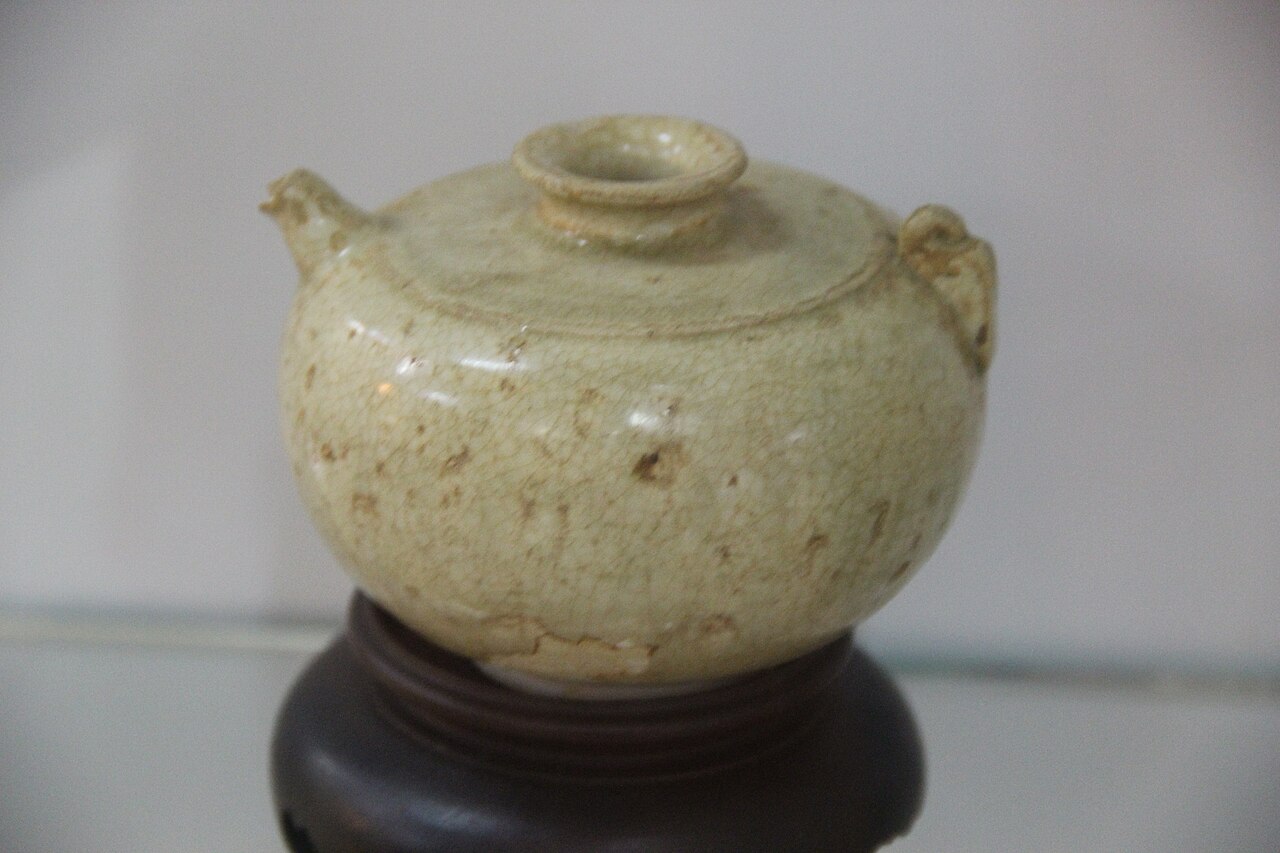
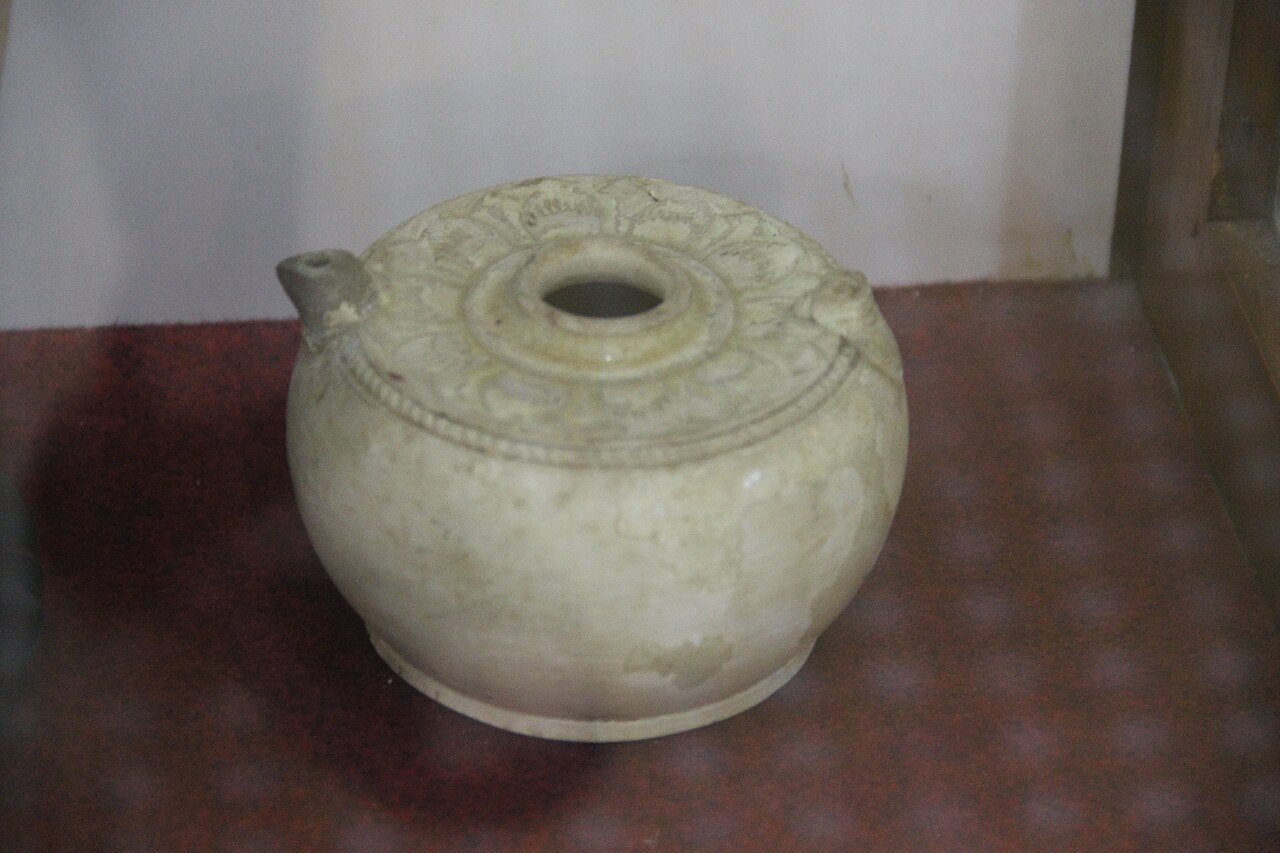
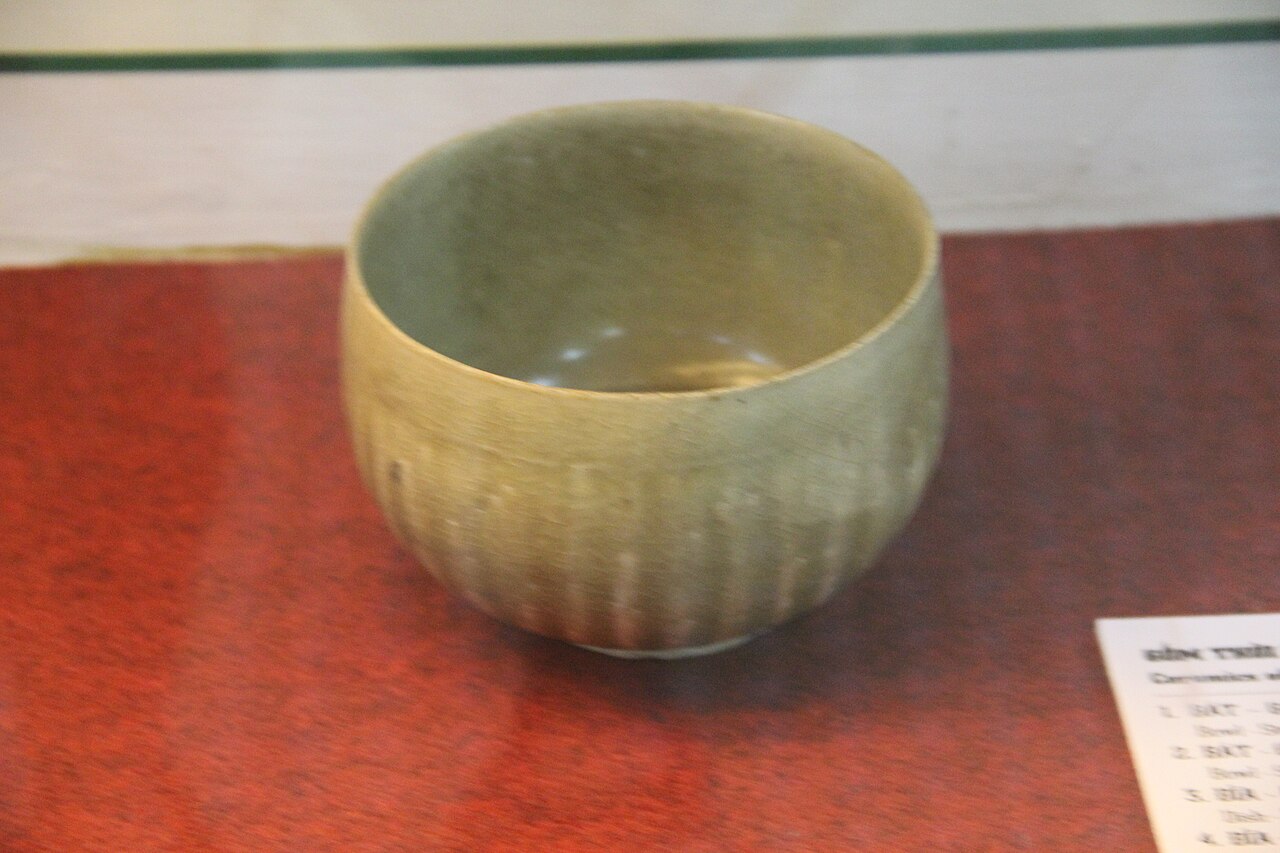
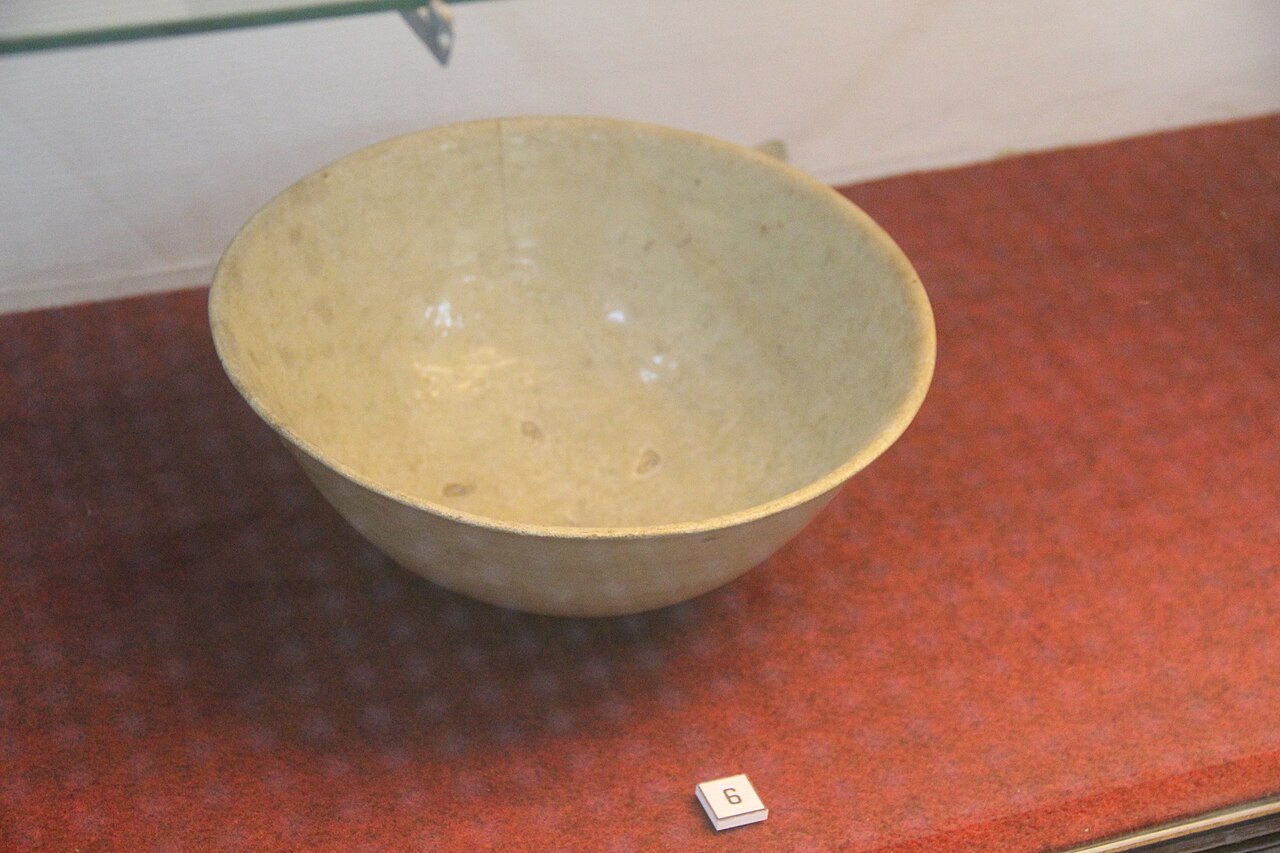
Stonework and ceramics attributed to the Lý period — characterised by refined floral motifs and a distinctive blue-grey glaze — can also be seen in the collections of the Vietnam National Museum of History in Hanoi.
Also known as / see also
참조 페이지
출처 목록
- Vietnam National Museum of History — Bảo tàng Lịch sử quốc gia 접근됨 31 August 2026
Supports: the rules and definitions on this page - Nhà Lý — Wikipedia (Vietnamese) (CC BY-SA 4.0) 접근됨 31 August 2026
Supports: background, Vietnamese edition
Current 마지막 확인: 31 August 2026. Rules, fares and prices change — check the official source before acting on anything here. Report a mistake.
Picture credits (4)
Ly Dynasty Ceramics (9980569445), Gary Todd from Xinzheng, China, CC0, Wikimedia Commons · Ly Dynasty Ceramics (9980570325), Gary Todd from Xinzheng, China, CC0, Wikimedia Commons · Ly Dynasty Ceramics (9980571905), Gary Todd from Xinzheng, China, CC0, Wikimedia Commons · Ly Dynasty Ceramics (9980573925), Gary Todd from Xinzheng, China, CC0, Wikimedia Commons