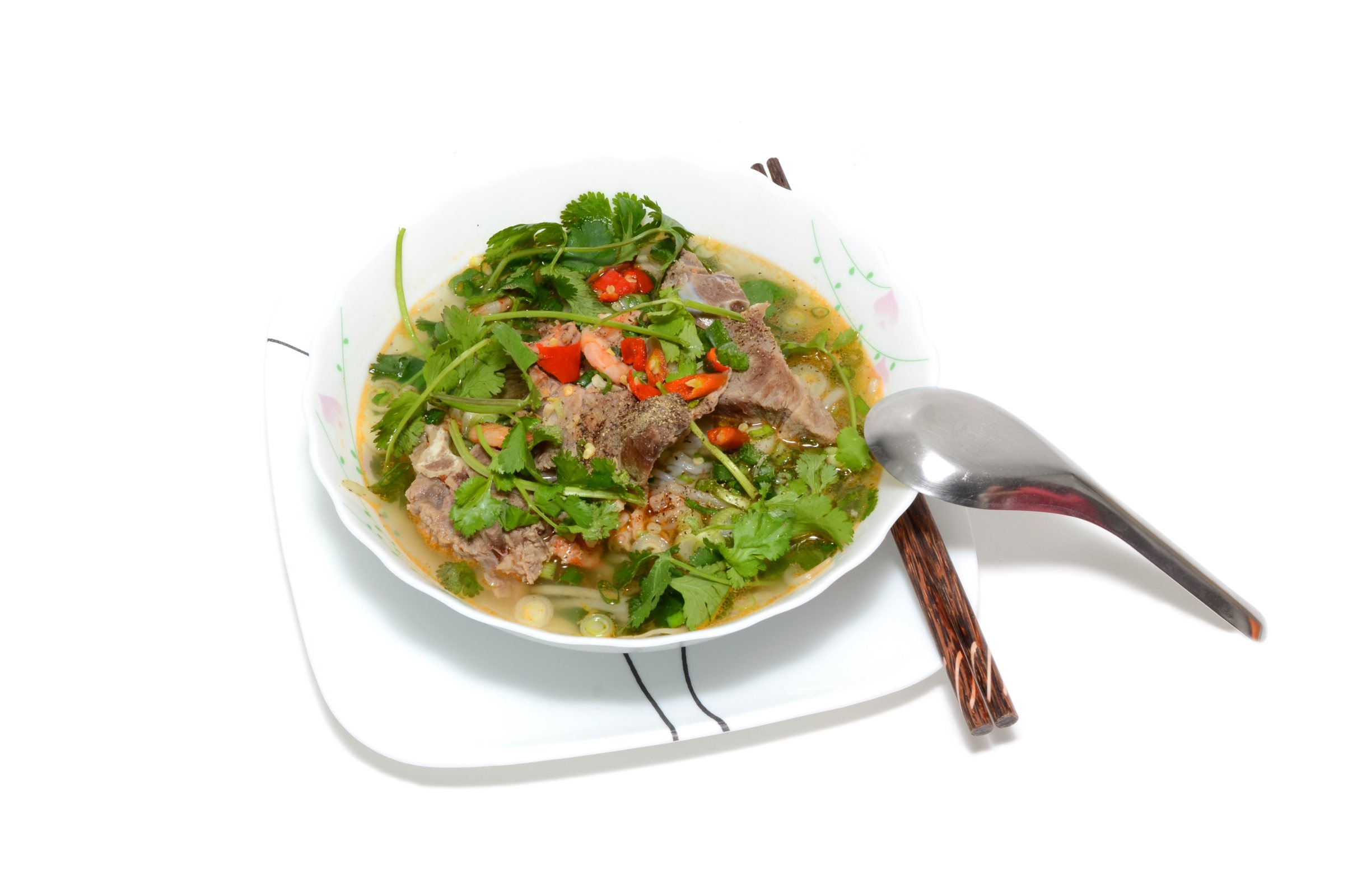
Hu tieuHủ tiếu
Origins
Hủ tiếu descends from the Teochew Chinese dish kway teow and entered southern Vietnam partly through Cambodia, where ethnic Chinese merchants had long established noodle traditions in Phnom Penh. The Khmer word kuy teav sits directly behind the Vietnamese name. Migration along the Mekong brought the dish into the delta region during the eighteenth and nineteenth centuries, where it absorbed local ingredients and cooking habits. It is now considered a defining dish of southern Vietnamese cuisine rather than a borrowed one, though its plural ancestry is widely acknowledged.
Noodle types and broth
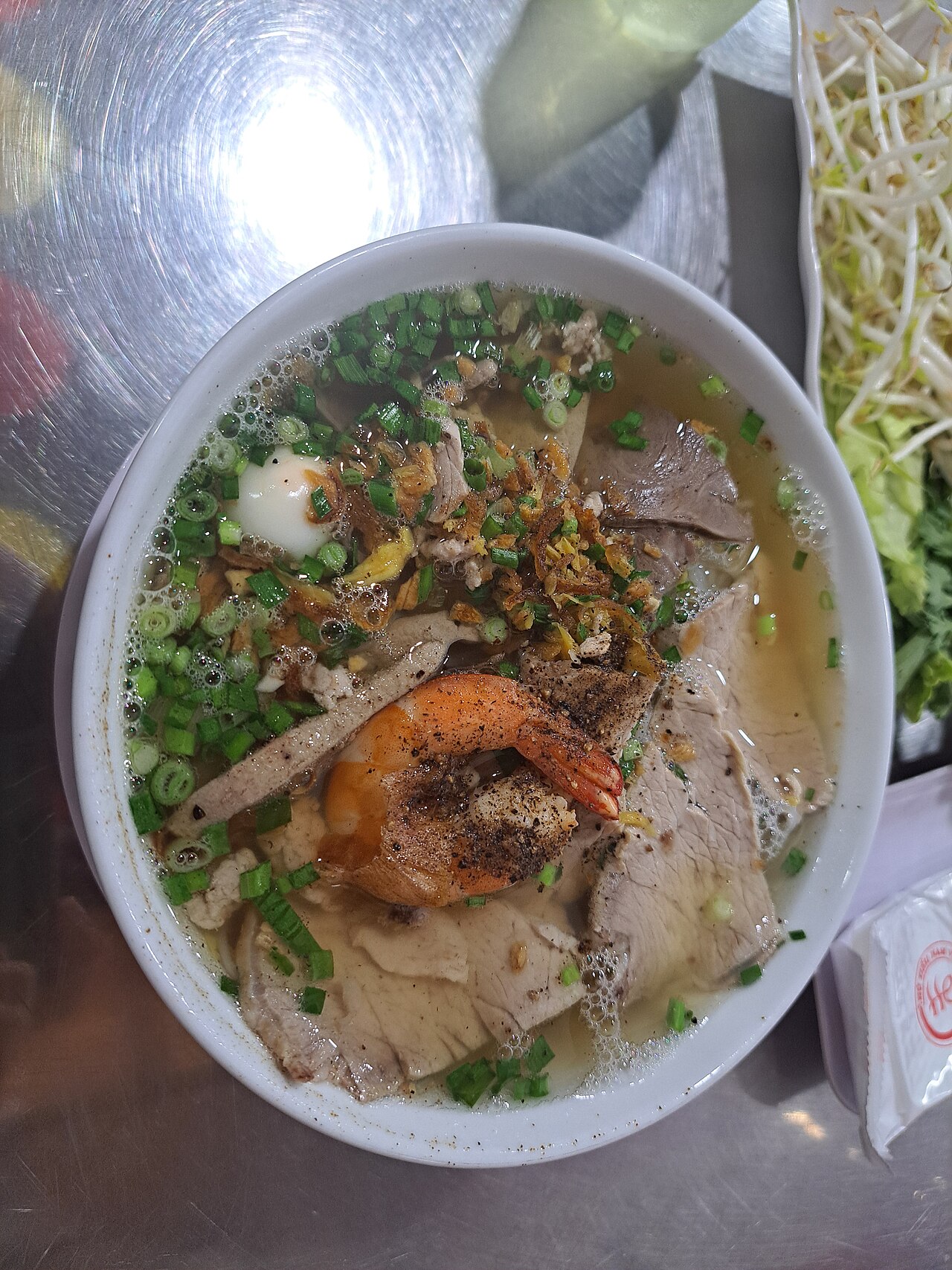
The noodle itself varies considerably and is one of the clearest ways to distinguish regional styles. Flat, translucent tapioca-starch noodles (bánh hủ tiếu) are the most common base; they have a slightly chewy, slippery texture that differs markedly from wheat noodles. Some vendors use thin rice vermicelli instead, and mixed versions combining both appear in certain areas. The broth is typically made from pork bones simmered for several hours, sometimes reinforced with dried squid or shrimp to add depth. Unlike the heavily spiced broths of central Vietnam, a standard hủ tiếu broth is clear and mild, relying on toppings rather than aromatics for complexity.
Hủ tiếu Nam Vang
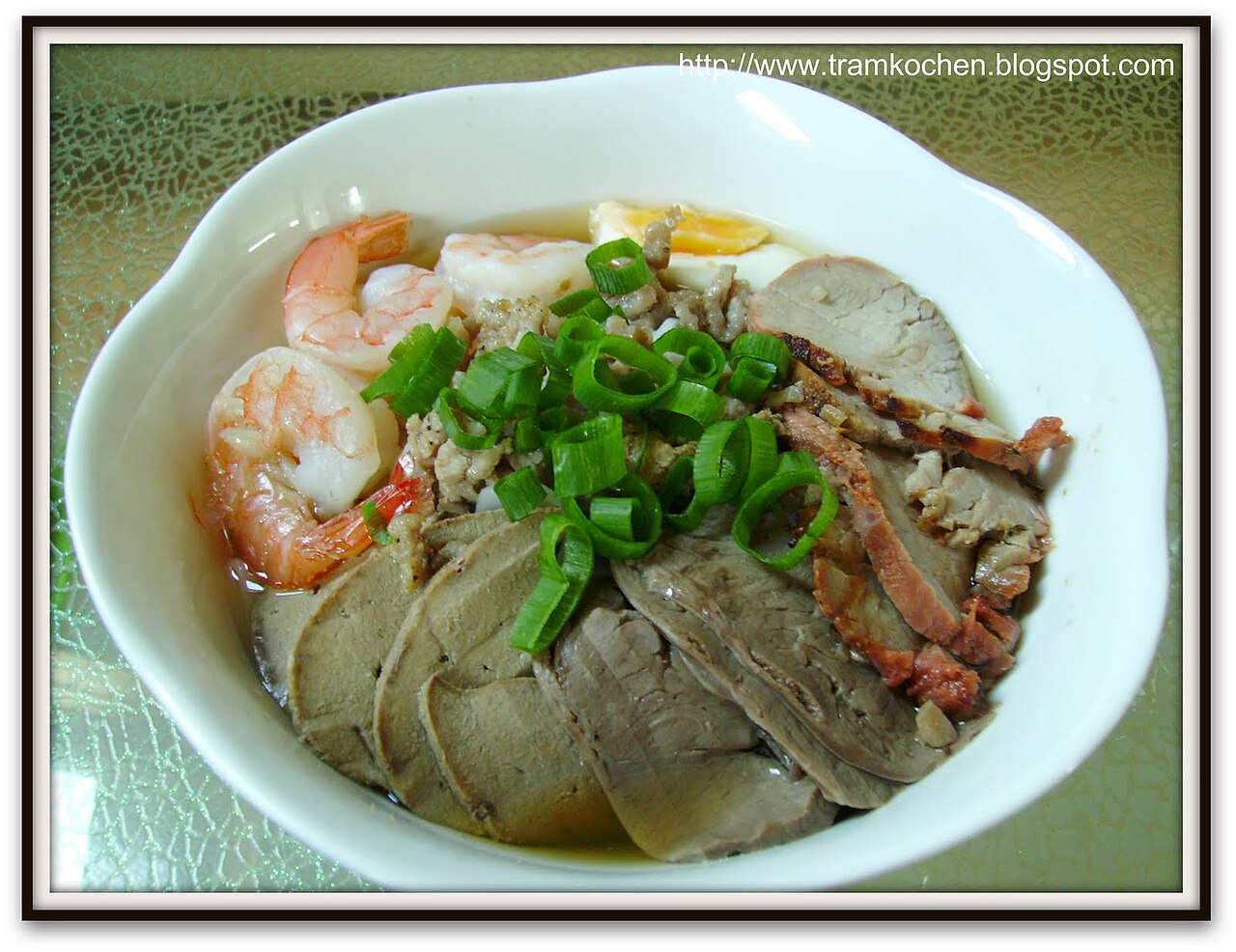
The most celebrated single variety is hủ tiếu Nam Vang — Nam Vang being the Vietnamese name for Phnom Penh. This version is associated with ethnic Chinese cooks from Cambodia who resettled in southern Vietnam, particularly around Saigon, in the mid-twentieth century. It is distinguished by a richer, slightly sweeter pork-and-shrimp broth and a specific set of toppings: sliced pork, minced pork, shrimp, pork liver, quail eggs and sometimes fried garlic and dried shallots. The combination is precise enough that deviations are noticed by regular eaters. Hủ tiếu Nam Vang is now sold across Ho Chi Minh City and the wider Mekong Delta, though quality and exactness of the recipe vary widely between stalls.
Dry versus soup versions
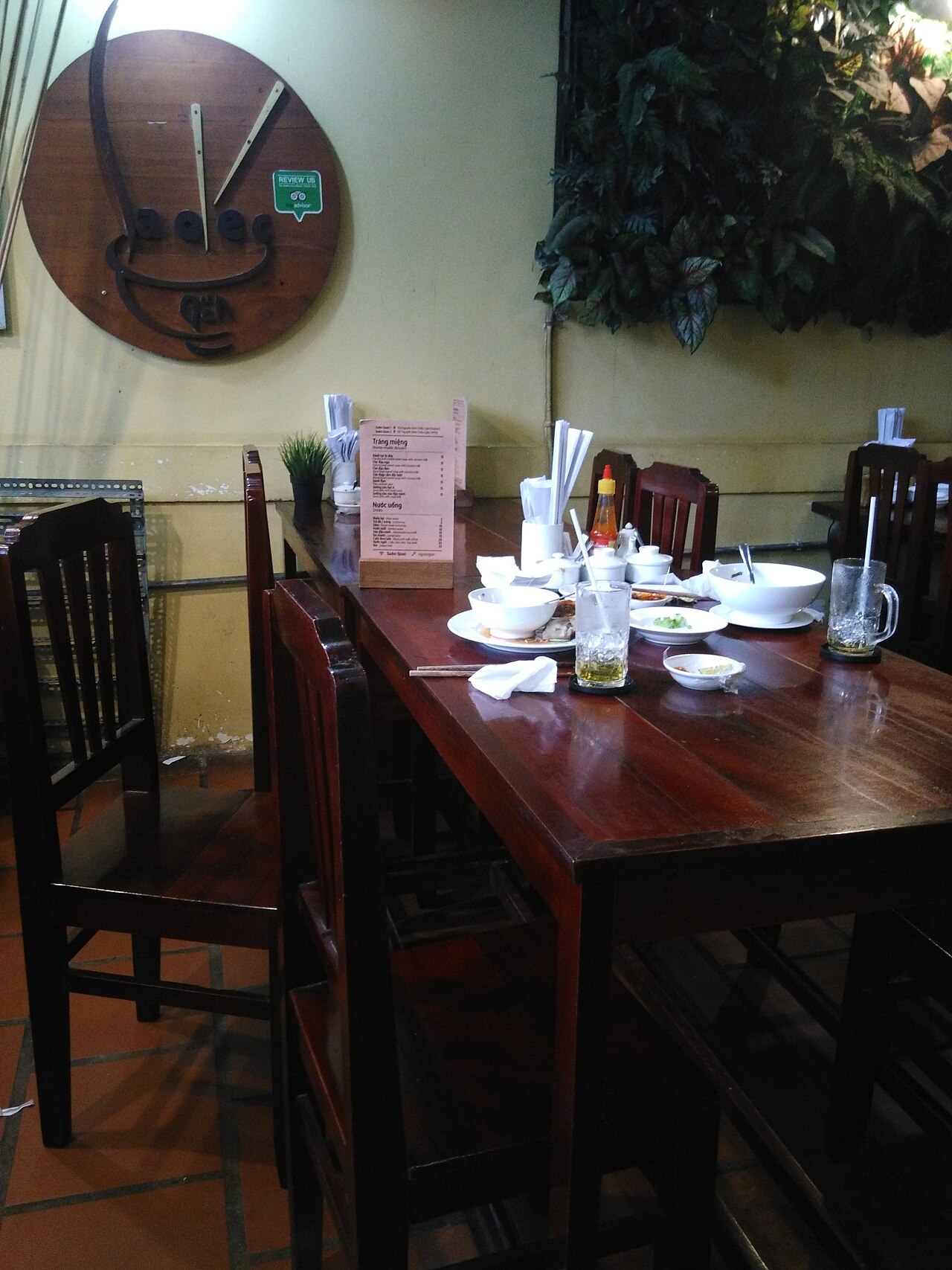
Hủ tiếu is served in two broad formats. The soup version (hủ tiếu nước) presents noodles fully submerged in broth with toppings arranged on top. The dry version (hủ tiếu khô) drains the noodles, tosses them with lard, fish sauce and sometimes a small amount of soy sauce, then places toppings on top and serves a separate small bowl of light broth for sipping alongside. The dry format intensifies the flavour of the noodle itself and is preferred by some eaters who find the soup version too dilute. Both formats appear on the same stall menus across the south, and diners typically specify their preference when ordering.
Role in Mekong Delta breakfast
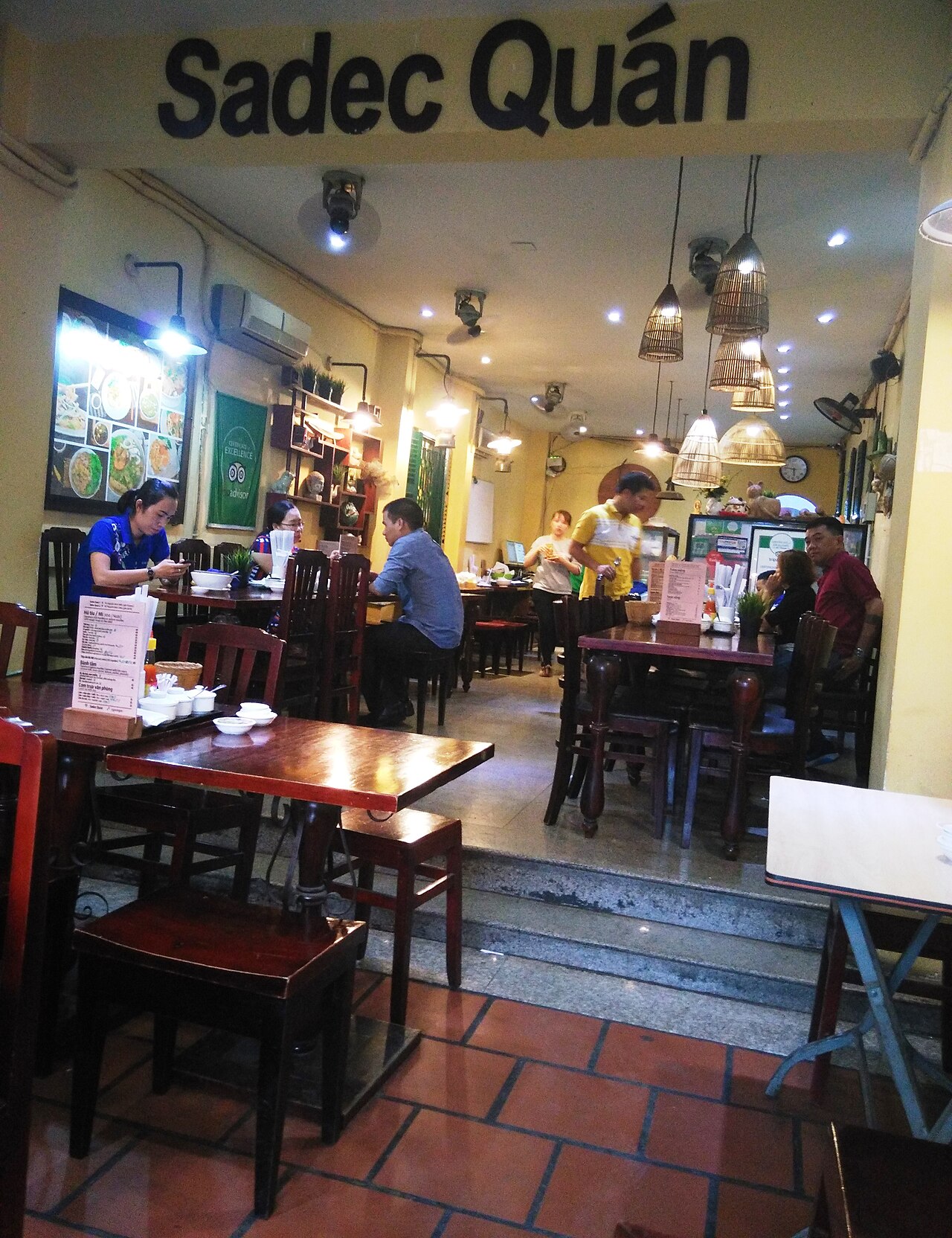
Across the Mekong Delta, hủ tiếu functions as a morning staple in the way pho does further north. Stalls open before dawn and often sell out by mid-morning. Can Tho, the largest city in the delta, has a dense concentration of hủ tiếu vendors and its own local variations in broth sweetness and noodle texture. Floating market vendors historically sold simple versions from boats, and riverside stalls remain common throughout the region. The dish is rarely eaten as an evening meal in its home territory, though restaurants in Ho Chi Minh City serve it at all hours to accommodate a more varied urban schedule.
Toppings and condiments
Beyond the Nam Vang configuration, toppings are flexible. Sliced barbecued pork (xá xíu, borrowed from Cantonese char siu), seafood, offal and wontons all appear depending on the vendor and region. Bean sprouts, fresh herbs such as garlic chives, and sliced chilli are set on the table for diners to add themselves. Fish sauce, hoisin and fresh lime are standard condiment options. This tableside customisation is a consistent feature regardless of which regional style is being served, and the proportion of broth to toppings to raw herbs on a finished bowl reflects individual preference as much as any recipe.
Comes from
Được tham chiếu bởi
Các nguồn
- Vietnam National Authority of Tourism — VNAT đã truy cập 29 August 2026
Supports: the rules and definitions on this page - Hủ tiếu — Wikipedia (CC BY-SA 4.0) đã truy cập 31 August 2026
Supports: background - Hủ tiếu — Wikipedia (Vietnamese) (CC BY-SA 4.0) đã truy cập 31 August 2026
Supports: background, Vietnamese edition
Current Đã xác minh lần cuối: 31 August 2026. Rules, fares and prices change — check the official source before acting on anything here. Report a mistake.
Picture credits (5)
Photo: annguyen / Adobe Stock, asset 133316315 · Hu tieu trieu chau, Nguyen Thi Quynh Tram, CC BY 3.0, Wikimedia Commons · Bowl of Hu Tieu in Bui Vien Street, GiveMeMollusks, CC0, Wikimedia Commons · Sa đéc Quán ở Quận 3 bán hủ tiếu (1), Phương Huy ( thảo luận ), Public domain, Wikimedia Commons · Sa đéc Quán ở Quận 3 bán hủ tiếu (2), Phương Huy ( thảo luận ), Public domain, Wikimedia Commons