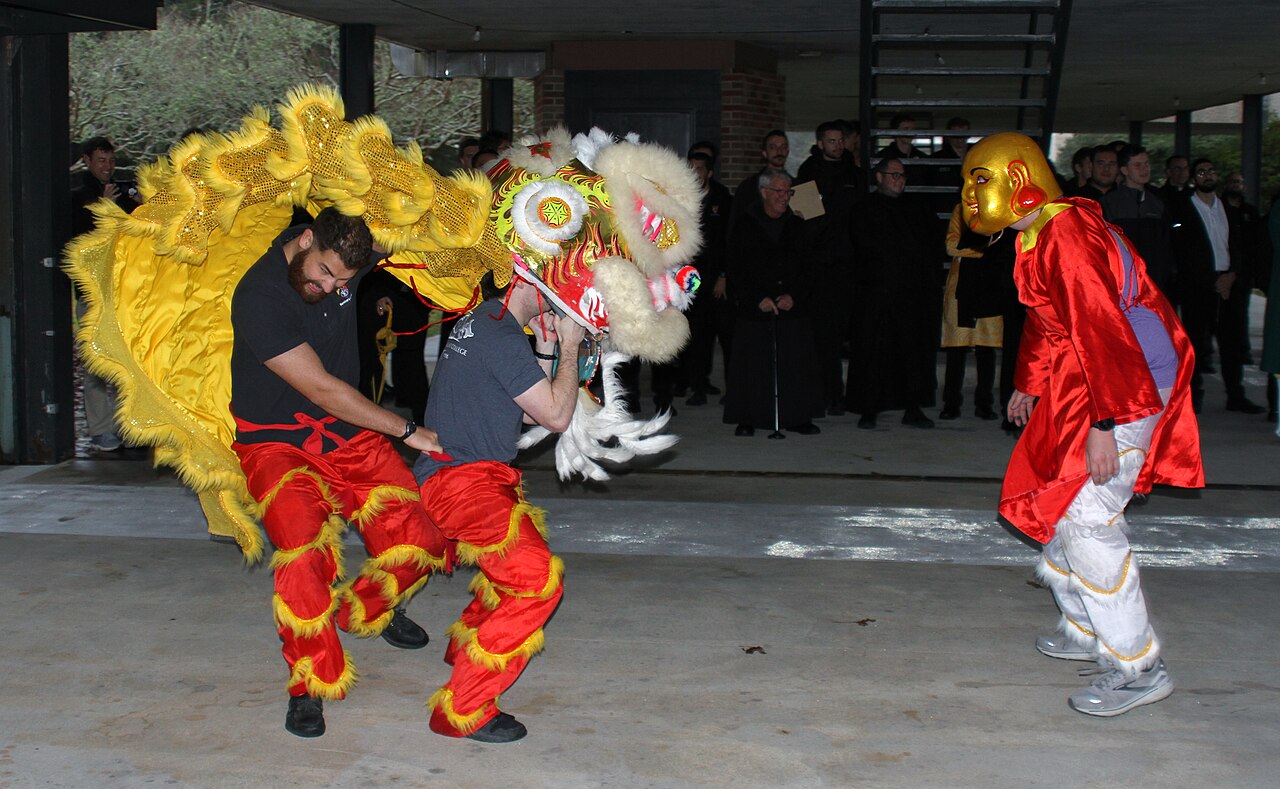
Tet: Vietnamese New YearTết Nguyên Đán
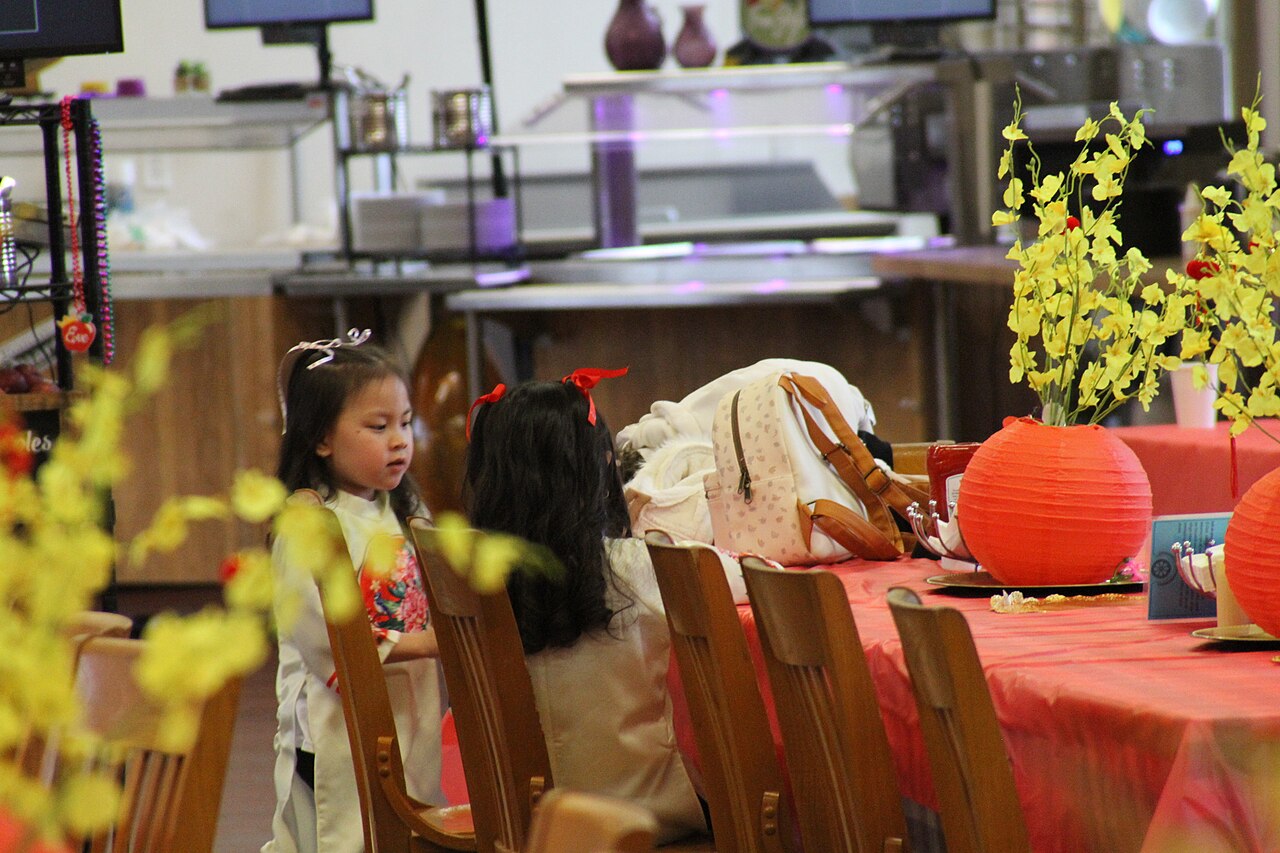
What Tet is
Tết Nguyên Đán — commonly shortened to Tet — is the Vietnamese new year calculated by the lunisolar calendar. It falls on the first day of the first lunar month, which means the date shifts each year but lands somewhere between late January and mid-February on the Gregorian calendar. To find the exact date for a given year, look up the first new moon after 20 January.
The holiday marks the turn of one of the twelve zodiac animals associated with the Vietnamese and Chinese calendars — Rat, Ox, Tiger, Rabbit, Dragon, Snake, Horse, Goat, Monkey, Rooster, Dog, Pig — cycling in that order. The incoming animal is referenced throughout decorations, gifts and media in the weeks before the holiday.
Tet is emphatically a family occasion. The expectation across Vietnamese society is that people return to their home province or village. This migration — one of the largest recurring human movements on earth — defines what the country looks, sounds and functions like for roughly two to three weeks each year.
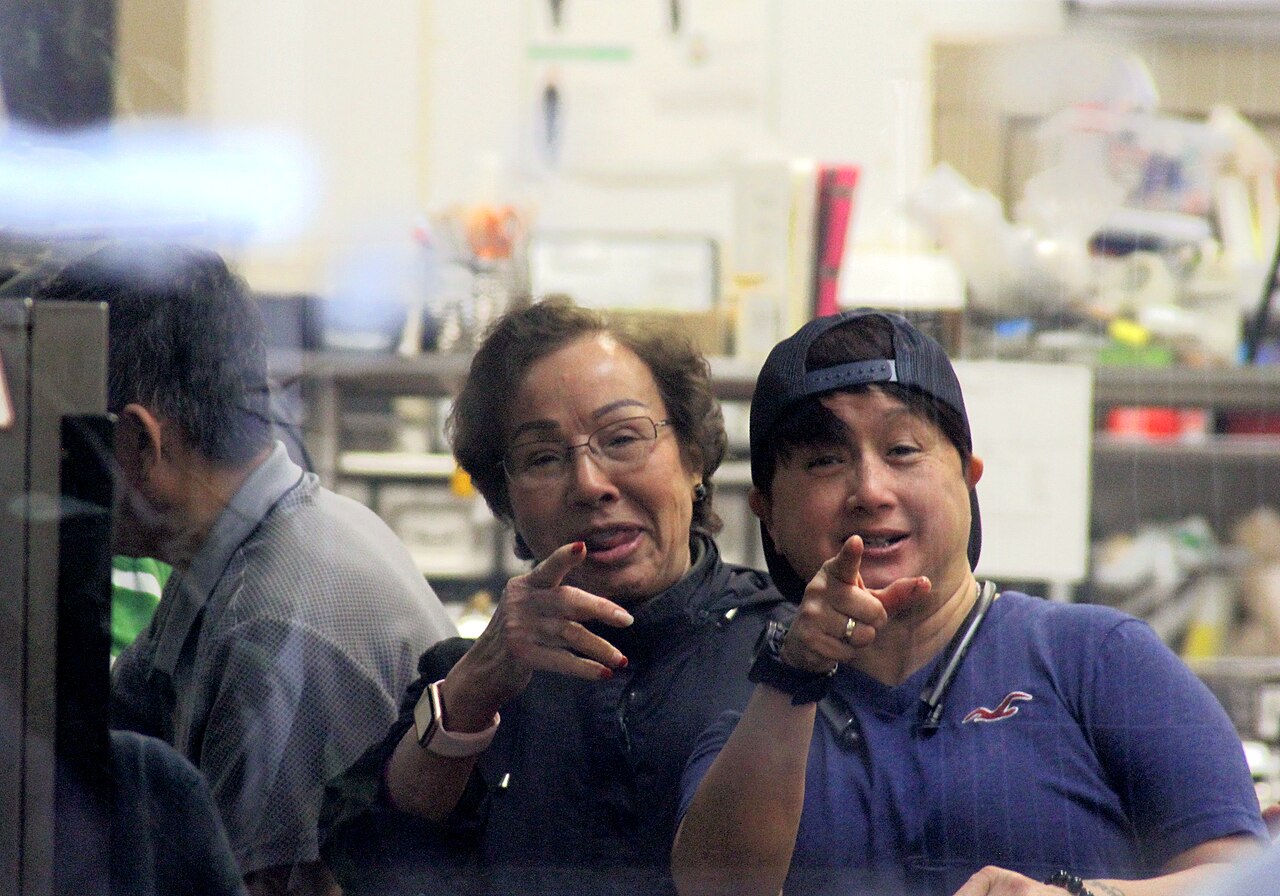
Customs and rituals
Several distinct rituals structure the days around Tet, and understanding them helps explain what visitors observe in the streets and in homes.
- Táo Quân (Kitchen Gods): On the 23rd day of the 12th lunar month — roughly a week before Tet — families release live carp into rivers or lakes to carry the three Kitchen Gods to heaven to report on the household's year. Markets in the days before this date sell carp specifically for the purpose.
- House cleaning: Homes are cleaned thoroughly before the new year arrives, to sweep out bad luck from the old year. Cleaning on the first day of Tet itself is avoided, as it is thought to sweep away incoming good fortune.
- First footing (xông đất): The first person to enter a home after midnight on new year's eve is considered to set the tone for the household's year. Families sometimes plan carefully who this person will be, favouring someone considered lucky, prosperous or morally upstanding.
- Lì xì (lucky money): Red envelopes containing money are given by married adults and elders to children and unmarried younger relatives. The envelopes are red for luck; the amount is secondary to the gesture.
- Visiting ancestral graves and pagodas: Many families visit graves to invite ancestors home for the festival, and pagodas see some of their busiest days of the year on the first and second days of Tet.
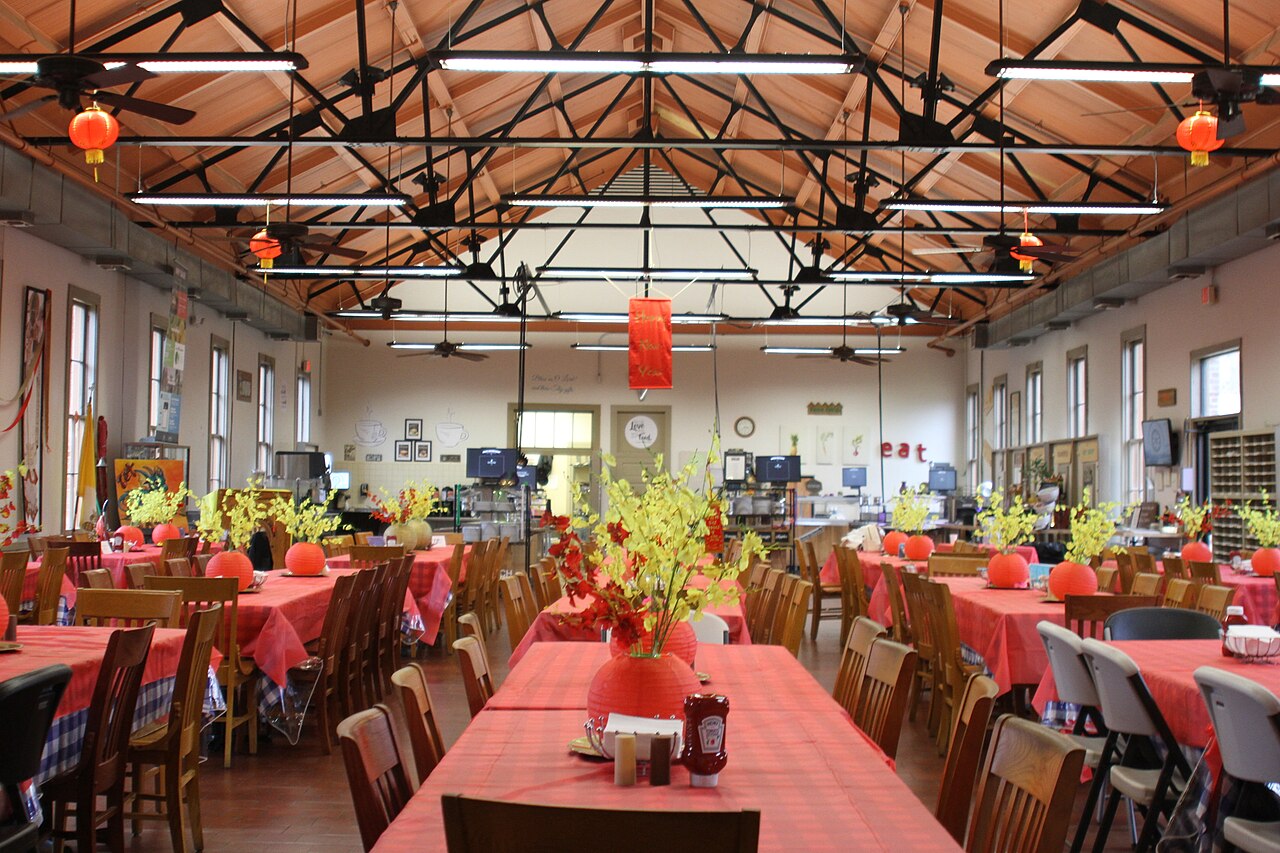
Food
Tet food is specific to region and family, but several dishes appear consistently enough to be considered national markers of the holiday.
- Bánh chưng (north) and bánh tét (south and centre): sticky rice cakes filled with mung bean paste and fatty pork, wrapped in lá dong or banana leaves and boiled for many hours. Families traditionally make these together in the days before Tet; the cooking fire burning overnight is itself part of the ritual.
- Dưa hành: pickled shallots or onions, which cut through the richness of the sticky rice cakes and preserved meats.
- Thịt kho tàu: pork belly and hard-boiled eggs braised slowly in coconut water and fish sauce, common particularly in southern households.
- Canh khổ qua: bitter melon soup, eaten in the south in the hope that bitterness will be left behind in the old year.
- Mứt: candied fruits and vegetables — ginger, coconut, lotus seed, kumquat — served with tea to guests throughout the holiday period.
Tet food is eaten across the holiday days with visiting family and neighbours. The preparation, not just the eating, carries significance.
What closes, and for how long
The official public holiday period is typically seven days, but the practical shutdown is longer. Government offices, banks, post offices and most businesses close for the full official period. Many family-run restaurants, street stalls, shops and local services close for ten days to two weeks — sometimes longer — as owners travel home.
In cities such as Ho Chi Minh City and Hanoi, the effect is pronounced: districts that are usually crowded go quiet, and finding an open restaurant on the first and second days of Tet can require research. Convenience stores, larger supermarkets and hotels generally remain open. Tourist-oriented businesses in areas such as Hoi An and Ha Long Bay typically stay open for visitors, though staffing is reduced.
Pharmacies, hospitals and emergency services continue to operate, though with reduced staffing at some facilities. ATMs remain available but can run low on cash in the days immediately around the holiday as withdrawal demand peaks.
Transport
Transport during Tet is the single largest logistical fact any visitor needs to understand. Trains, buses, and domestic flights book out — sometimes fully — weeks or more before the holiday. The booking surge happens in two phases: the outbound journey in the days before Tet, and the return journey several days into the holiday period.
Prices for transport and accommodation around Tet are higher than at other times of year. This is consistent and predictable, not an anomaly. Train tickets on popular routes, particularly Hanoi to Ho Chi Minh City, are among the first to sell out. Sleeper buses fill shortly after. Domestic flights follow the same pattern at higher fares.
Ride-hailing apps continue to function but surge pricing is common. Taxis are available in cities but drivers may be travelling home themselves, reducing supply. In rural areas, local transport options effectively cease for several days.
Whether to travel during Tet
This is a question with a direct answer: it depends entirely on what kind of travel is intended, and there is no single correct choice.
Reasons to be in Vietnam during Tet: The holiday is visually and culturally distinctive. Streets in Hanoi and Ho Chi Minh City are decorated with kumquat trees and peach or apricot blossoms. Fireworks displays take place at midnight on new year's eve at designated public sites. Pagodas are busy and atmospheric. The quieter streets in usually-crowded places have their own character. Some travellers specifically come for the festival experience.
Reasons to avoid it: If the purpose of the trip is to eat widely at local restaurants, shop at markets, arrange visas or official documents, take specific transport routes, or visit businesses that require normal operations, Tet will create significant obstacles. The days immediately after the official holiday — when the country returns to normal — can also be sluggish as staff and transport recover.
The practical conclusion: Travellers who plan ahead, book transport and accommodation early, have flexible schedules, and are interested in the festival itself can have a rewarding experience. Those with fixed itineraries, specific logistical requirements, or a preference for things being open and available are better placed arriving before the pre-Tet rush or after the post-Tet return, roughly ten to fourteen days after the new year begins.
Where it is
Also known as / see also
Referenziert von
Quellen
- Vietnam National Authority of Tourism — VNAT abgerufen 29 August 2026
Supports: the rules and definitions on this page - Tết Nguyên Đán — Wikipedia (Vietnamese) (CC BY-SA 4.0) abgerufen 31 August 2026
Supports: background, Vietnamese edition
Current Zuletzt geprüft: 31 August 2026. Rules, fares and prices change — check the official source before acting on anything here. Report a mistake.
Picture credits (4)
St. Ben TET celebration - 2024- Holding on for dear life!, abbeyprivate, Public domain, Wikimedia Commons · St. Ben TET celebration - 2024- little princesses play while their mothers prepare the meal for the celebration, abbeyprivate, Public domain, Wikimedia Commons · St. Ben TET celebration - 2024- the cooks spot me outside the kitchen glass door, abbeyprivate, Public domain, Wikimedia Commons · St. Ben TET celebration - 2024 - Dining hall, abbeyprivate, Public domain, Wikimedia Commons