Mid-Autumn FestivalTết Trung Thu
Date and lunar calendar
Tết Trung Thu is fixed to the 15th day of the eighth lunar month, when the moon is at its fullest and brightest. In the Gregorian calendar this falls anywhere between early September and early October depending on the year. The festival is a single-day public observance, though commercial activity — particularly mooncake sales — begins several weeks earlier. Because the date shifts annually, travellers should consult the lunar calendar for the specific year they are visiting.
A children's festival
Unlike its Chinese counterpart, which tends to carry stronger romantic and family-reunion associations rooted in legends such as Chang'e, the Vietnamese celebration is oriented emphatically toward children. The occasion is sometimes called Tết thiếu nhi — Children's Festival — in informal usage. Adults organise lantern processions through streets and neighbourhoods after dark, and children carry hand-held lanterns in the shapes of stars, fish, rabbits, and lotus flowers, many lit from the inside by a candle or battery light. The spectacle is intended for the young, with adults largely in a supporting role.
Traditional stories told at this time include the tale of Chú Cuội, a woodcutter said to be stranded on the moon beside a sacred banyan tree, and the moon fairy Hằng Nga — figures that appear on lanterns, cake moulds, and decorations throughout the season.
Lion dances and street performances
Lion dance troupes — múa lân — perform in streets, courtyards, and in front of businesses and homes during Tết Trung Thu. The lion, operated by two performers beneath a large decorated head and fabric body, is accompanied by drums, cymbals, and gongs. In urban neighbourhoods, troupes move from house to house; in some cases they scale poles or stacked tables in acrobatic displays. The performances are considered auspicious, and businesses may commission a troupe to dance at their entrance. In Hanoi's Old Quarter and in Hội An's ancient town, street congestion during the evening hours of the festival can be significant.
Mooncakes
Mooncakes — bánh Trung Thu — are the defining food of the festival. Vietnamese mooncakes come in two main forms: bánh nướng, a baked cake with a thin golden pastry shell, and bánh dẻo, a soft, white, unbaked cake made from glutinous rice flour with a chewy texture. Fillings include lotus seed paste, mung bean paste, mixed fruit and nuts, salted egg yolk, and, in contemporary versions, taro, durian, pandan, or chocolate. A whole salted egg yolk embedded in the filling represents the full moon.
Mooncakes are sold in elaborate gift boxes and are exchanged between families, colleagues, and business partners. The commercial season runs for four to six weeks before the festival date. Producers range from long-established Hanoi bakeries such as Bảo Phương on Thụy Khuê street to hotel pastry kitchens and international confectionery brands, each releasing seasonal lines. Quality, ingredient sourcing, and packaging vary considerably.
Hội An during the festival
Hội An is particularly associated with Tết Trung Thu. The ancient town's ban on motor vehicles in its historic core after dark, combined with the practice of switching off electric street lighting in favour of silk lanterns, creates conditions that amplify the festival atmosphere. Nguyễn Hoàng bridge, Bạch Đằng riverside, and the streets around the Japanese Covered Bridge fill with lantern sellers, children in traditional dress, and lit paper lanterns floated on the Thu Bồn River. The town's lantern industry — centred on workshops producing the cloth-and-bamboo lanterns for which Hội An is known year-round — sees its busiest sales period in the weeks surrounding the festival.
Hanoi during the festival
In Hanoi, Hàng Mã street in the Old Quarter is the traditional centre of festival goods: lanterns, masks, drums, and decorative items are sold from pavement stalls that extend well beyond the street's shopfronts. The street becomes crowded enough in the evenings before the festival that pedestrian movement slows to a near standstill. Hoàn Kiếm lake and the surrounding streets host lion dance performances and organised children's events. Residential areas across the city organise neighbourhood processions independently, making the festival visible across the city rather than confined to a single district.
Differences from the Chinese Mid-Autumn Festival
The Vietnamese and Chinese Mid-Autumn festivals share a lunar date and the mooncake tradition, both having developed from overlapping cultural histories. Key distinctions have emerged over centuries of separate development. The Vietnamese festival places children at its centre in a way that the Chinese celebration does not; in China the occasion carries stronger associations with family reunion and romantic longing, referencing the legend of Chang'e more centrally. The lion dance at Tết Trung Thu uses the southern-style lion head common across Southeast Asia rather than the northern-style forms seen in parts of China. Vietnamese mooncakes, particularly bánh dẻo, have a texture and flavour profile distinct from Cantonese or Teochew mooncakes. The floating of paper lanterns on water, prominent in Hội An, is not a standard feature of the Chinese celebration. Scholars note that Vietnam developed its own mythological figures — Chú Cuội, Hằng Nga in her Vietnamese form — that diverge in detail from Chinese lunar mythology.
Where it is
Also known as / see also
Citato da
Fonti
- Vietnam National Authority of Tourism — VNAT consultato 29 August 2026
Supports: the rules and definitions on this page - Mid-Autumn Festival — Wikipedia (CC BY-SA 4.0) consultato 31 August 2026
Supports: background - Tết Trung thu — Wikipedia (Vietnamese) (CC BY-SA 4.0) consultato 31 August 2026
Supports: background, Vietnamese edition
Current Ultima verifica: 31 August 2026. Rules, fares and prices change — check the official source before acting on anything here. Report a mistake.
Picture credits (4)
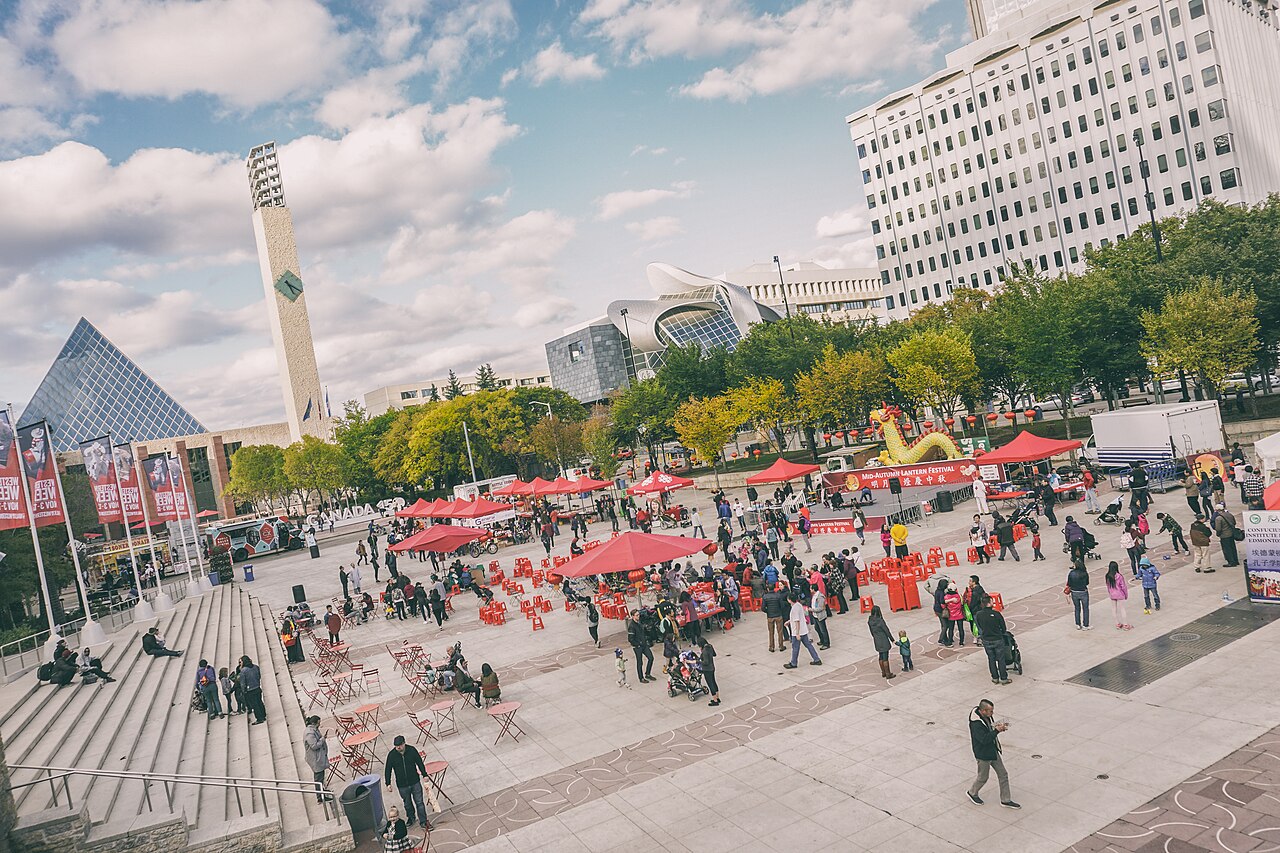
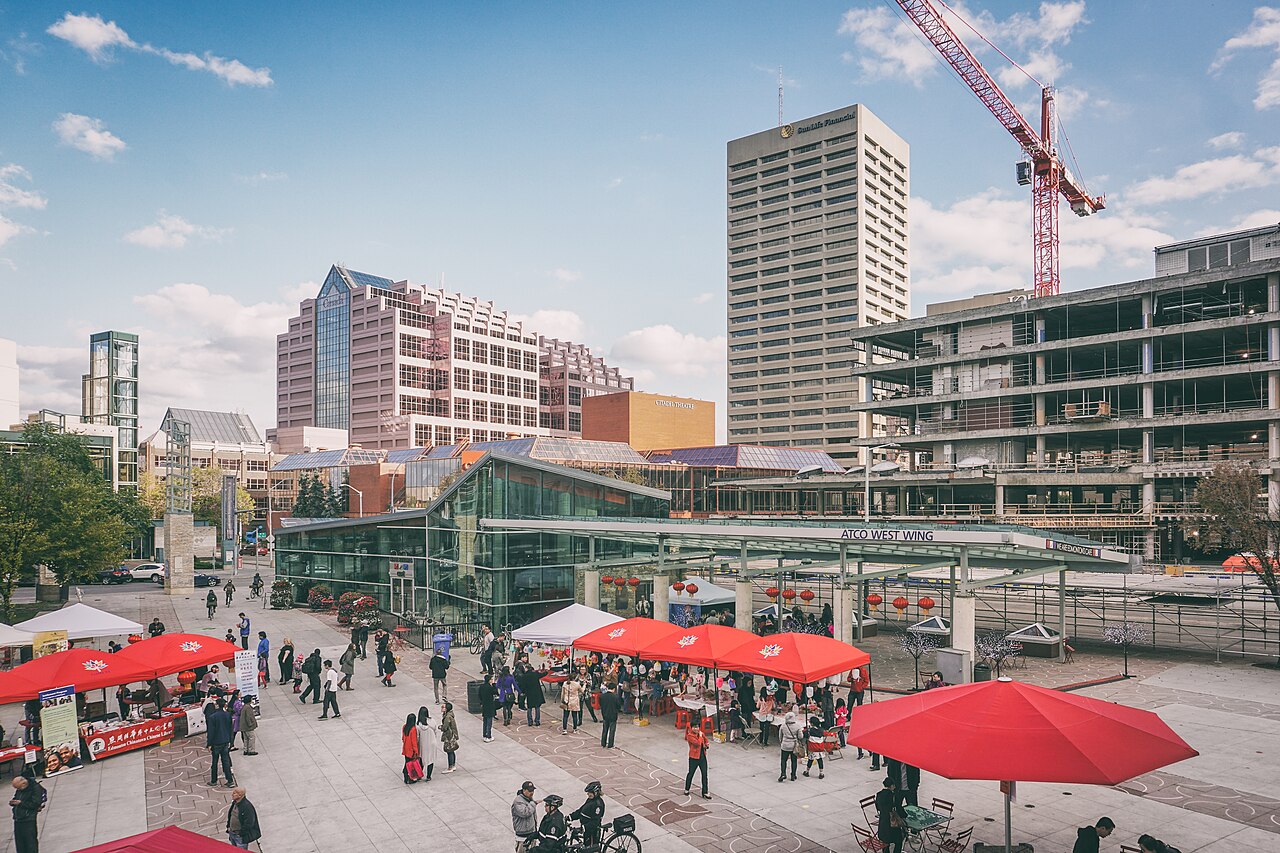
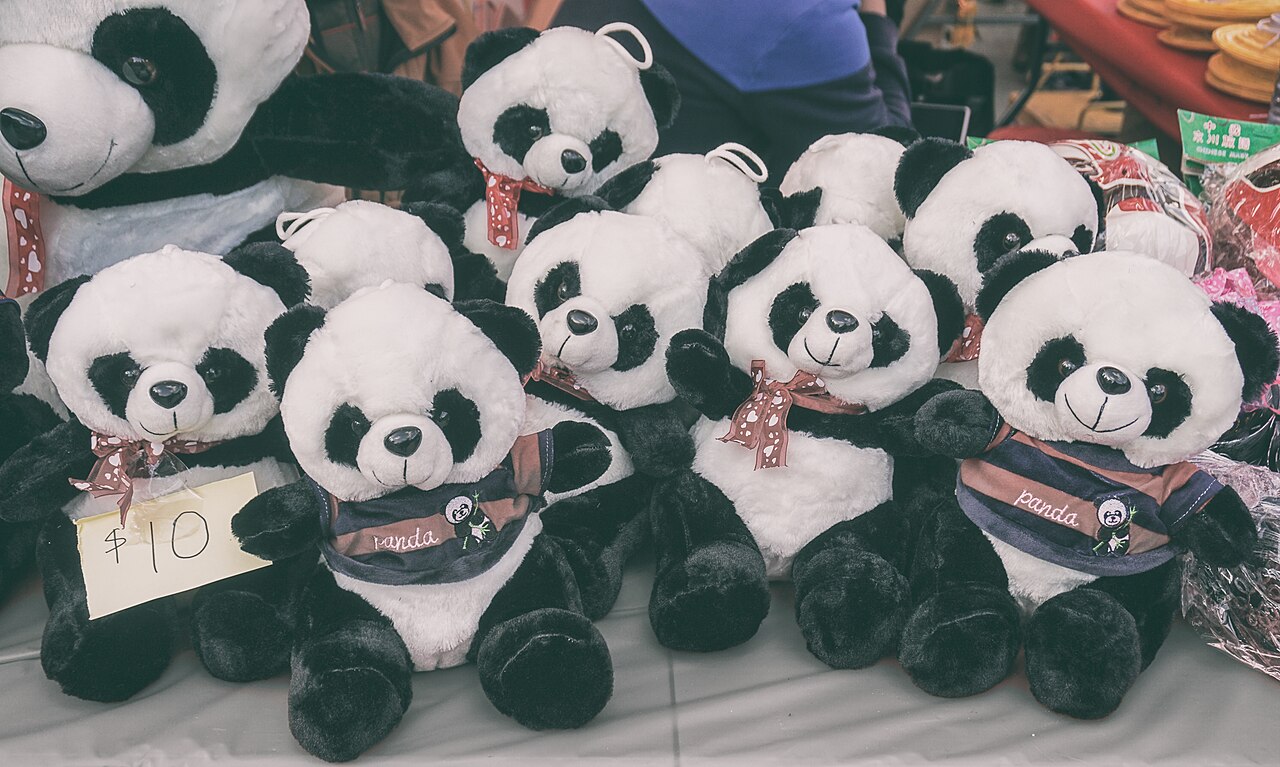
Edmonton Mid-Autumn Festival, Alberta, Canada; September 2017 (01), IQRemix, CC BY-SA 2.0, Wikimedia Commons · Edmonton Mid-Autumn Festival, Alberta, Canada; September 2017 (02), IQRemix, CC BY-SA 2.0, Wikimedia Commons · Edmonton Mid-Autumn Festival, Alberta, Canada; September 2017 (03), IQRemix, CC BY-SA 2.0, Wikimedia Commons · Edmonton Mid-Autumn Festival, Alberta, Canada; September 2017 (04), IQRemix, CC BY-SA 2.0, Wikimedia Commons