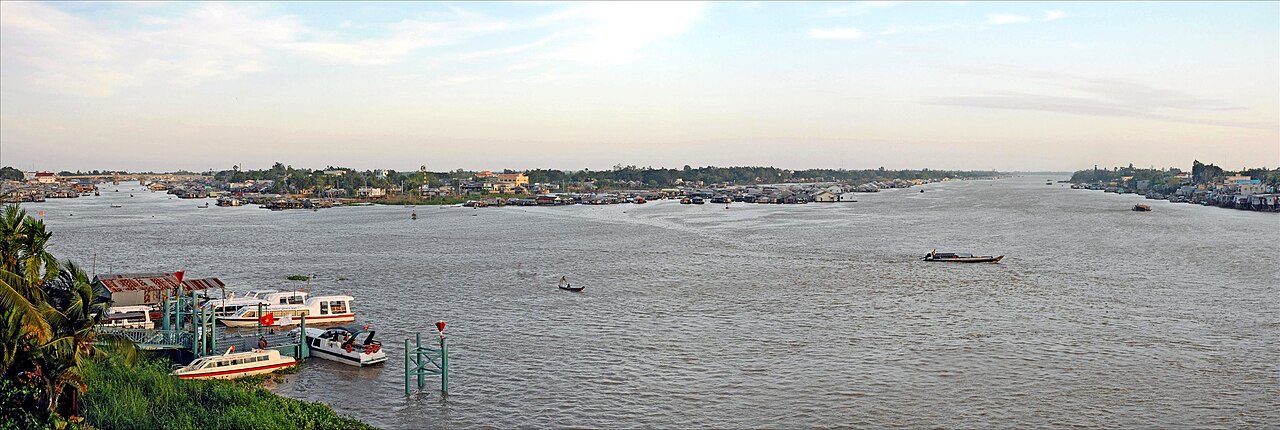
The Khmer of the Mekong DeltaNgười Khmer
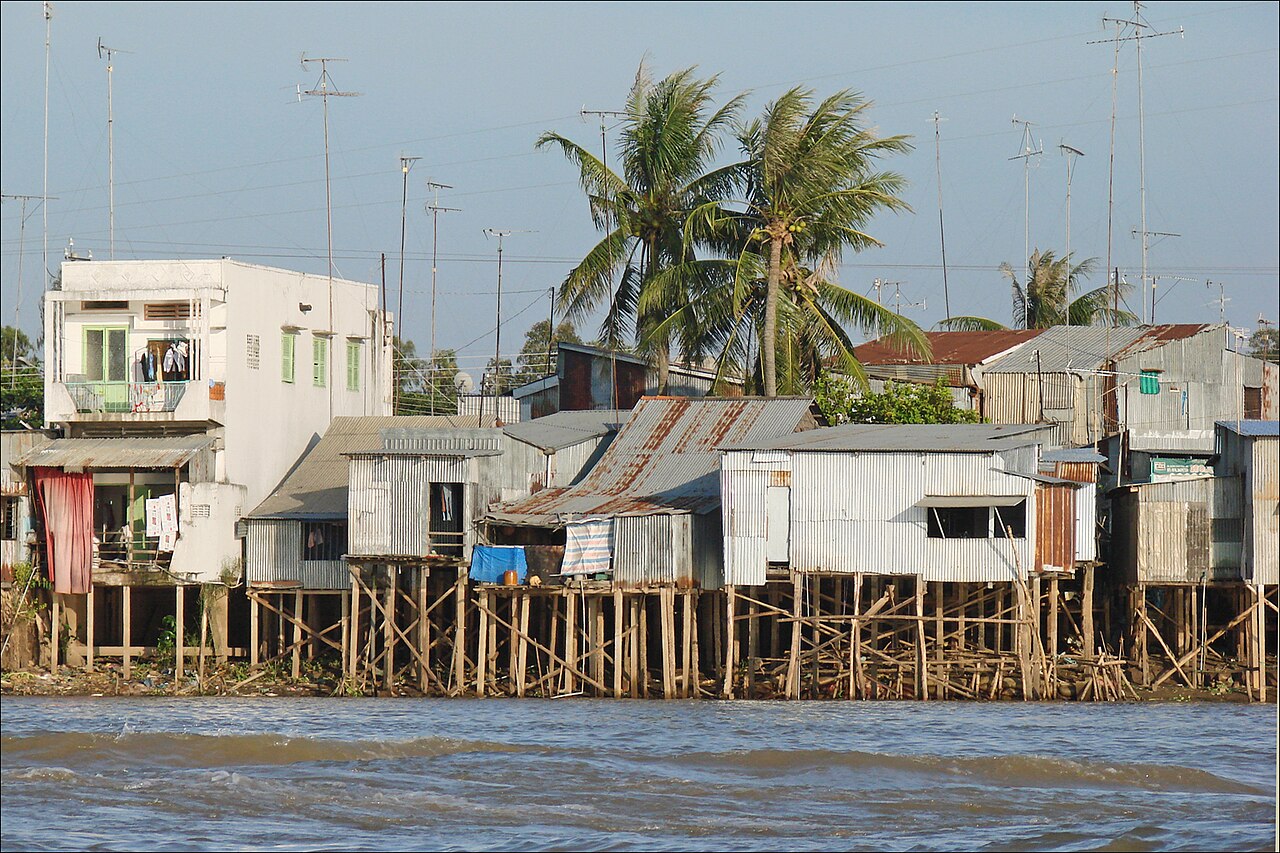
Who Are the Khmer Krom
The term Khmer Krom — literally lower Khmer — refers to the Khmer-speaking people who have lived in the Mekong Delta for well over a millennium, long before the region was incorporated into the Vietnamese state. Today they number in the millions, concentrated in the provinces of Soc Trang, Tra Vinh and An Giang, though significant communities also exist in Can Tho and Kien Giang. They are recognised by the Vietnamese government as one of the country's 54 official ethnic groups under the designation Người Khmer. The Khmer Krom are ethnically and culturally related to Cambodians but have developed a distinct identity shaped by centuries of coexistence with Vietnamese and ethnic Chinese communities in the delta.
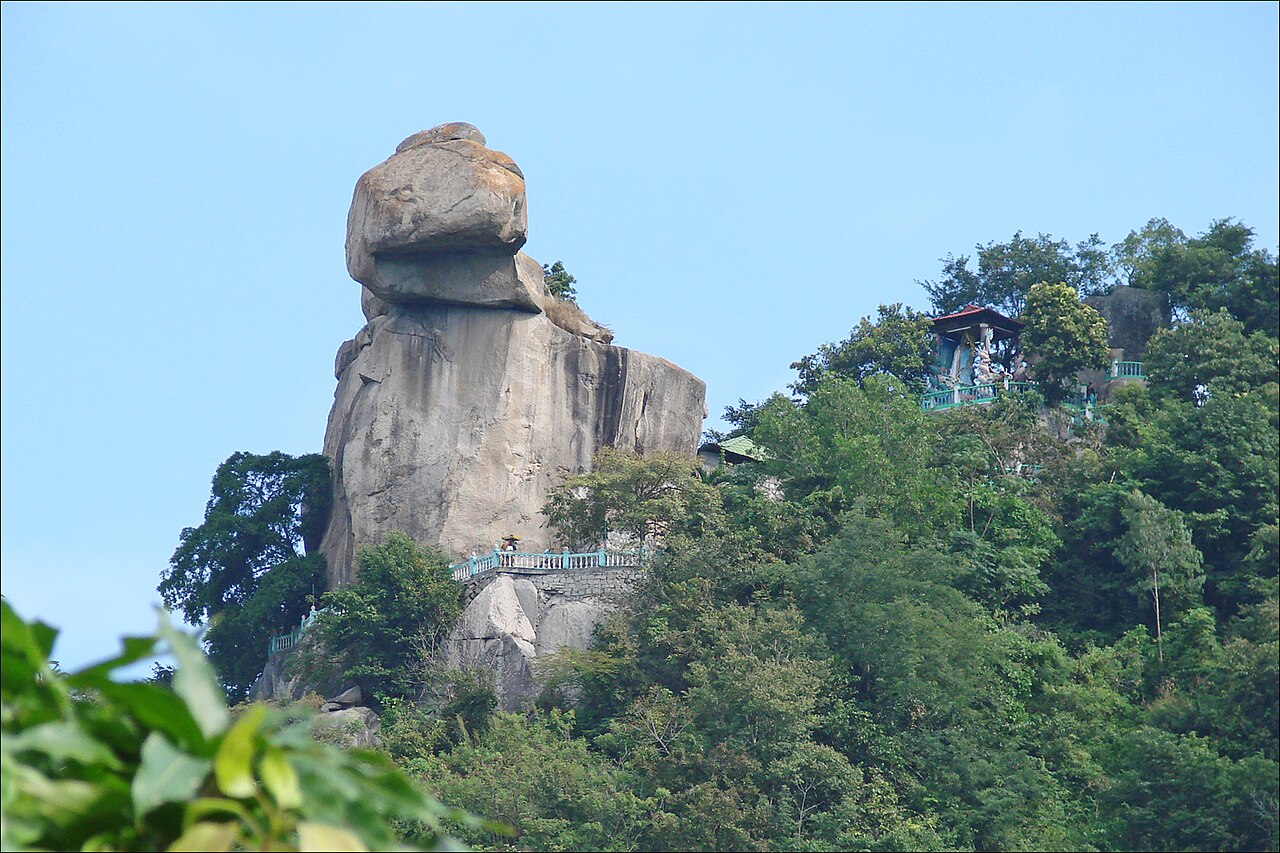
Historical Background
The lower Mekong Delta was historically part of the Khmer empire and its successor states, known in Khmer sources as Kampuchea Krom. Vietnamese settlement expanded southward through the 17th and 18th centuries, and the region was formally ceded to French Cochinchina in the 19th century, a process the Khmer Krom did not participate in as a sovereign party. Under French rule and subsequently under successive Vietnamese governments, land tenure, religious policy and language rights have all been points of tension. The status of Khmer Krom land rights and cultural autonomy remains a contested issue, with human rights organisations and Khmer diaspora groups periodically raising concerns that the Vietnamese government disputes. This history means the community's relationship with the state is layered and, in parts, unresolved.
Language and Script
The Khmer Krom speak a dialect of the Khmer language written in the traditional Khmer script, an abugida derived from ancient Brahmic writing systems. The dialect differs from standard Phnom Penh Khmer in vocabulary and pronunciation, partly due to loan words from Vietnamese and Cham. Khmer-language instruction has been available in some delta schools and through the Buddhist pagoda system, though the degree of formal provision has varied across different political periods. The pagodas historically served as the primary institution for literacy: young men living as novice monks received their education there, and this tradition continues in modified form today. Code-switching between Khmer and Vietnamese is common in everyday speech.
Theravada Buddhism and the Pagodas
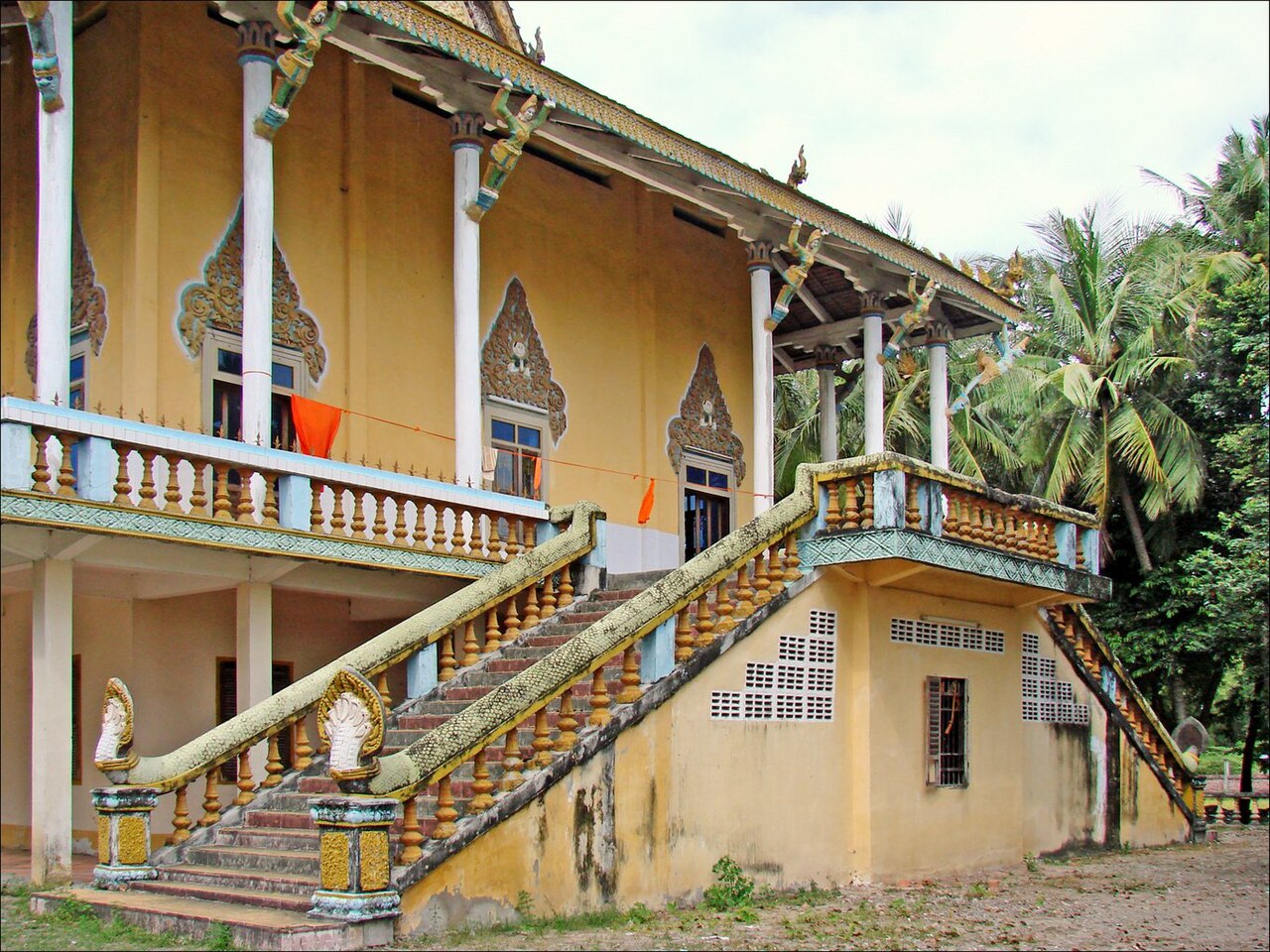
Theravada Buddhism is the defining institution of Khmer Krom life. Unlike the Mahayana tradition prevalent among ethnic Vietnamese and Chinese communities, Khmer Theravada practice follows the Pali canon and emphasises the monastic community, or sangha, as a central social structure. The delta's Khmer pagodas — called wat in Khmer — are architecturally distinctive: multi-tiered roofs with flared eaves, brightly painted exteriors, and elaborate naga serpent decorations along stairways. Soc Trang is home to several notable examples, including Wat Kleang, Wat Mahatup (the Bat Pagoda), and Wat Preasat. Tra Vinh province has one of the highest concentrations of Khmer pagodas in Vietnam, with over 140 recorded within its boundaries. The pagodas function as community centres, schools and ceremonial spaces rather than purely places of worship.
Chol Chnam Thmay: The Khmer New Year
Chol Chnam Thmay is the Khmer lunar new year, typically falling in mid-April and lasting three days. The timing coincides broadly with Songkran in Thailand and Thingyan in Myanmar, all rooted in the same Theravada Buddhist calendar tradition. Celebrations centre on the local pagoda: families bring offerings of food and incense, monks lead prayers, and the community gathers for games, music and dancing. Traditional music performed on the pinpeat ensemble — featuring xylophones, gongs and drums — accompanies ceremonies. Sand stupas are constructed in pagoda courtyards as a merit-making act. The festival is one of the most visible expressions of Khmer Krom cultural identity and draws participants from across a wide area to the major pagodas of Soc Trang and Tra Vinh.
Ok Om Bok: The Moon Worshipping Festival
Ok Om Bok falls on the full moon of the tenth month of the Khmer lunar calendar, generally in November, and is specific to the Khmer Krom of the delta — it is not widely observed in Cambodia itself. The festival gives thanks to the moon for a successful harvest. The central ritual involves offering young sticky rice, taro, coconut and bananas to the moon, with children eating the rice to receive the moon's blessing. The occasion is also marked by boat racing on the delta's rivers and canals, with long, narrow dragon boats crewed by teams from different communities competing in races that can draw thousands of spectators. Soc Trang's Ok Om Bok races are among the largest such events in the southern delta.
Culture, Crafts and Daily Life
Khmer Krom villages are typically organised around a central pagoda rather than along the linear patterns common in Vietnamese riverside settlements. Rice cultivation has historically been the economic foundation, with fish and freshwater products supplementing the diet. Traditional weaving of Khmer silk and cotton produces fabrics with geometric patterns distinct from Vietnamese or Chinese textile traditions; Soc Trang and Tra Vinh both have communities where this craft is still practised. Khmer classical dance and shadow puppetry (sbaek) survive in some areas, though practitioners are fewer than in earlier generations. Funerary customs differ significantly from Vietnamese norms: cremation is standard practice in keeping with Theravada teaching, and ashes are interred in stupas within pagoda grounds rather than in family graves.
Where it is
Also known as / see also
مُشار إليه من
المصادر
- Vietnam National Authority of Tourism — VNAT تم الوصول إليه 29 August 2026
Supports: the rules and definitions on this page - Người Khmer — Wikipedia (Vietnamese) (CC BY-SA 4.0) تم الوصول إليه 31 August 2026
Supports: background, Vietnamese edition
Current آخر تحقق: 31 August 2026. Rules, fares and prices change — check the official source before acting on anything here. Report a mistake.
Picture credits (4)
Le Bassac à Chau Doc (Vietnam) (6587990029), Jean-Pierre Dalbéra from Paris, France, CC BY 2.0, Wikimedia Commons · Maisons sur pilotis au bord du Bassac (Chau Doc, Vietnam) (6620626729), Jean-Pierre Dalbéra from Paris, France, CC BY 2.0, Wikimedia Commons · Paysage de la région des "Sept Montagnes" (Vietnam) (6589352291), dalbera from Paris, France, CC BY 2.0, Wikimedia Commons · Le Wat Thomit (Vinh Trung, Vietnam) (6600738953), Jean-Pierre Dalbéra from Paris, France, CC BY 2.0, Wikimedia Commons